
JB
★★★★★
March 11th, a brief but strong storm came through Goodlettsville and blew over two giant trees in my front yard; one which was being supported by a 3rd tree that was facing and threatening my house. It was an…
Julie Bangs●3 days ago
Protect trees and shrubs from insects, disease, and stress with inspection, treatment, and monitoring programs. Get a plan.

Insects, disease, and poor soil conditions can do lasting damage to trees and shrubs long before the symptoms are obvious from the ground. Caught early, most of these problems are treatable. An arborist inspects for pests, pathogens, and soil stress, prescribes a treatment plan, and monitors the tree over time so the underlying stress does not return.
Trees signal stress well before they decline. Book an inspection if you notice:
The larvae of certain insects directly defoliate trees by eating leaves, needles, and fruit. Wood boring insects injure and kill trees from the inside, cutting off water and nutrients before visible symptoms show up in the canopy. Sucking pests cause wilting, spotting, and leaf drop, and some transmit disease between plants as they feed. Fungal and bacterial diseases spread through wounds, soil, and water, and often take hold fastest in trees already weakened by stress.
A customized treatment plan starts with the tree species, the specific pest or pathogen, and the site conditions driving the problem. Insects and disease usually target plants that are already stressed or in poor health, so restoring overall tree health is often the first priority. That can mean improving soil structure and drainage, correcting a fertility deficiency, or pruning to increase sunlight penetration and air flow before any treatment begins.
Healthy soil is the foundation of a tree’s ability to resist pests and disease on its own. A plant health care program typically starts with a soil test to check pH, compaction, and nutrient levels, then corrects what the tree needs through aeration, organic matter, or targeted fertilization. Ongoing monitoring catches new problems early, before an infestation or infection spreads through the canopy or into neighboring trees.
Our approach favors low impact methods and ingredients that reduce damaging insect populations while preserving the ecologically beneficial insects a landscape needs. Programs can be organic, traditional, or a hybrid of both depending on the property and its goals. Common insects treated include emerald ash borer, spotted lanternfly, webworm caterpillars, sawflies, spider mites, Japanese beetles, scale insects, and adelgids.
Real reviews from real customers, straight from our Google Business Profile. Here's what people say once the crew has packed up and the yard is clean.
March 11th, a brief but strong storm came through Goodlettsville and blew over two giant trees in my front yard; one which was being supported by a 3rd tree that was facing and threatening my house. It was an…
From the time I inquired w this company about removing a tree that was strongly impacted from the major strong 80 mph winds on March 3, 2023, they provided us w exceptional service in every way . They were…
My family had a tree removal emergency! A large tree in our back yard was on fire and splitting down the middle. The fire department came out the night before to extinguish the fire, but when I woke up the…
Keep your trees safe, structured, and looking right. We remove dead or overgrown branches, improve clearance, and reduce storm risk.
Service Details: Tree Trimming and PruningWhether a tree is damaged, dead, or a safety hazard, our crews handle removal safely and efficiently, with minimal disruption to your property.
Service Details: Tree RemovalWhen storms cause tree damage, our emergency team responds quickly to remove hazards, clear debris, and restore safety.
Service Details: Emergency Tree ServiceWe grind the stump below grade, including the surface roots, so the yard is clear, safe, and ready to replant.
Service Details: Stump Grinding & RemovalFertilization, disease treatment, and insect management that keep your established trees and ornamentals healthy through every season.
Service Details: Plant Health CareSteel cables and brace rods that reinforce weak unions before they split.
Service Details: Tree Cabling & BracingStrategic pruning, cabling, and bracing to reduce storm damage risks before severe weather hits.
Service Details: WindReady Storm PrepIdentifying potential hazards before they become problems. Tree stability, structural integrity, and surrounding risks evaluated on-site.
Service Details: Tree Risk AssessmentSimplify tree care across multiple properties with a single, trusted provider. Consistent maintenance and emergency response.
Service Details: Commercial Tree ServiceGet expert arborist guidance without a site visit. Share photos or video of your trees and receive a written assessment and estimate within 24 hours.
Service Details: Virtual ConsultingLand clearing and lot clearing for building sites, overgrown acreage, and fence lines. An arborist marks what stays. Get a free estimate.
Service Details: Land & Lot ClearingDon't see what you're looking for? Call us. Every call is answered by a human arborist or scheduler.
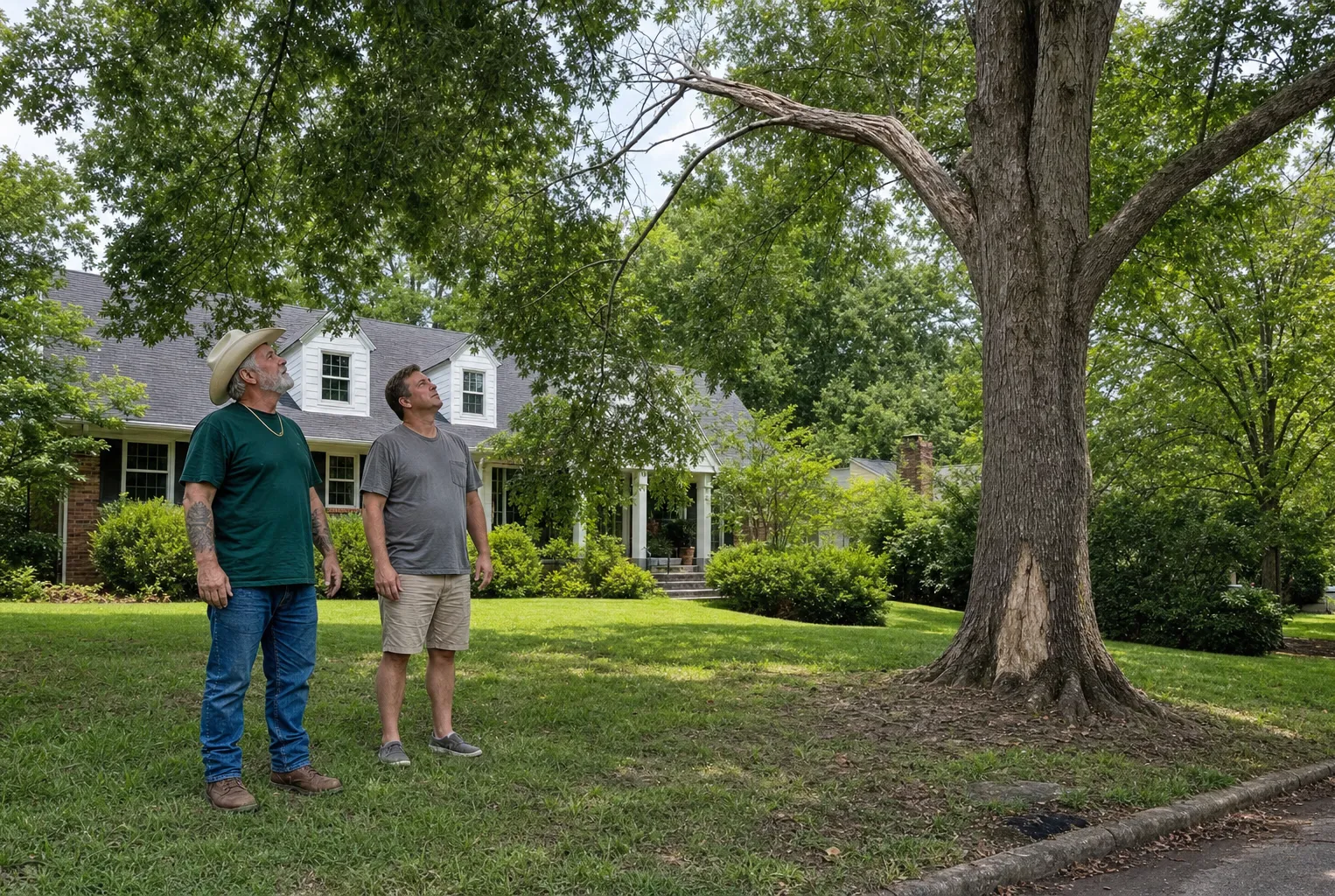
Estimates are handled by an experienced professional arborist, not a salesperson. That means honest diagnosis, plain language explanations, and a written plan you can actually act on. Our crews are trained to ANSI A300 industry standards to keep the work consistent and safe, but our real proof is the trees still standing on the streets we've worked for forty years.
Free estimate. Twenty-four-hour response. No contracts. No commitments.
Or call (844) 835-8733, answered 24/7 by a human.
Enjoyed our service? Share your experience.
March 11th, a brief but strong storm came through Goodlettsville and blew over two giant trees in my front yard; one which was bei...
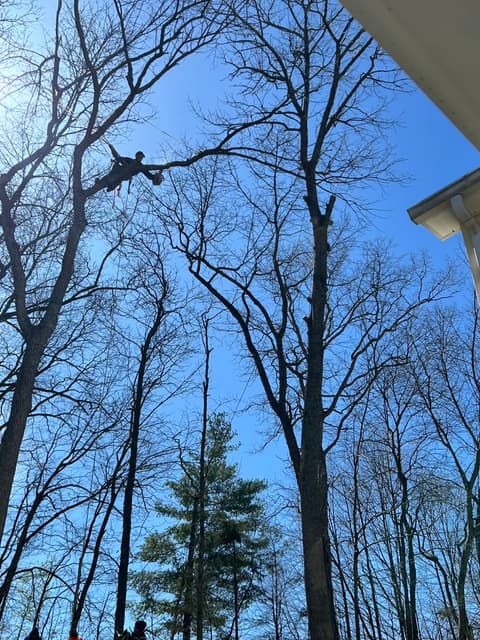
From the time I inquired w this company about removing a tree that was strongly impacted from the major strong 80 mph winds on Mar...
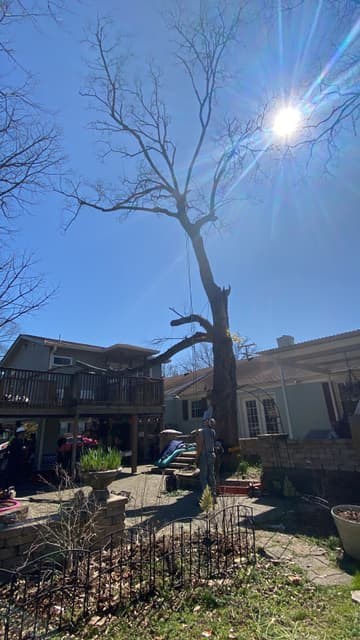
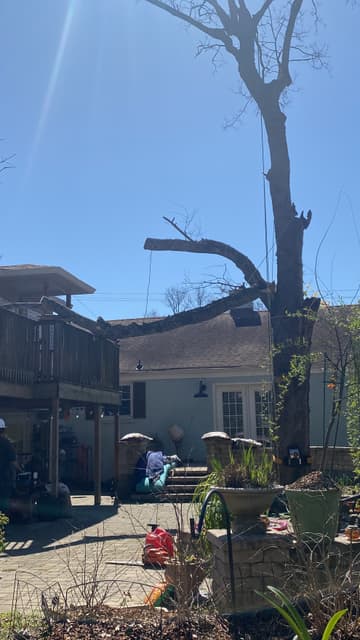
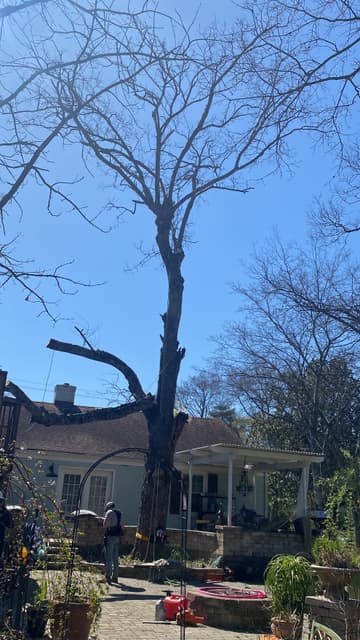
My family had a tree removal emergency! A large tree in our back yard was on fire and splitting down the middle. The fire departme...
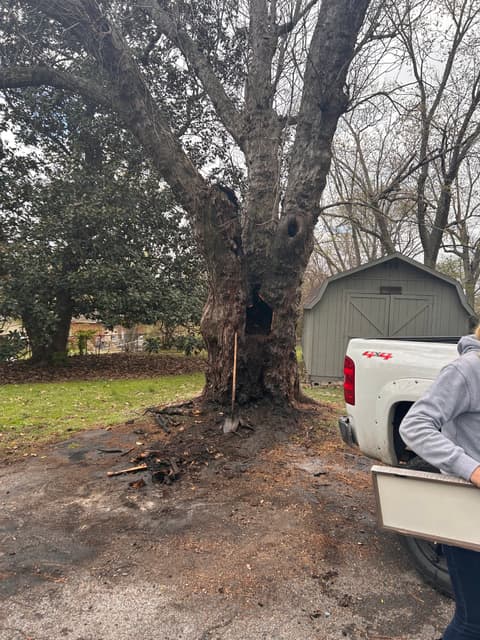
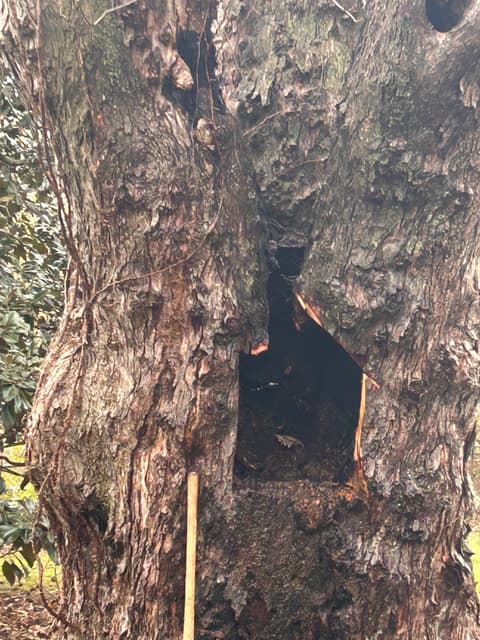
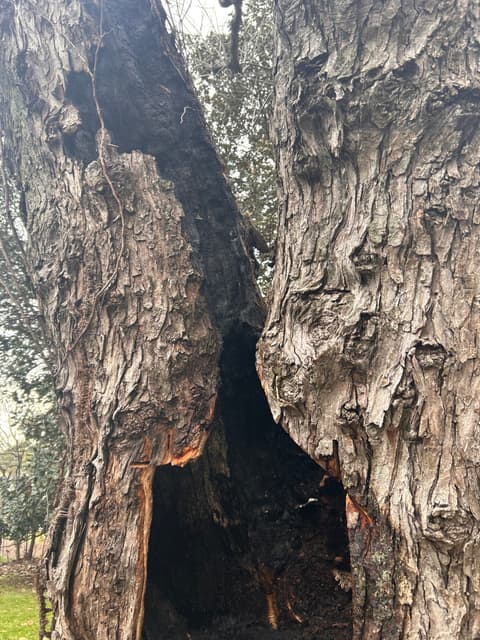
Great service, communication and fair pricing. Would recommend for any job big or small this company is the real deal! Thanks CATS...
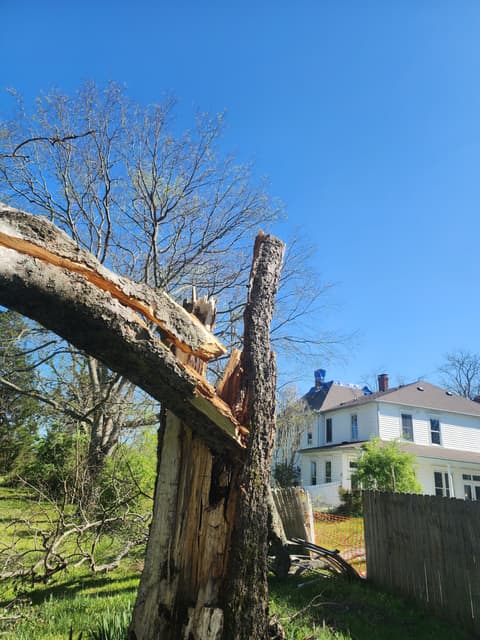
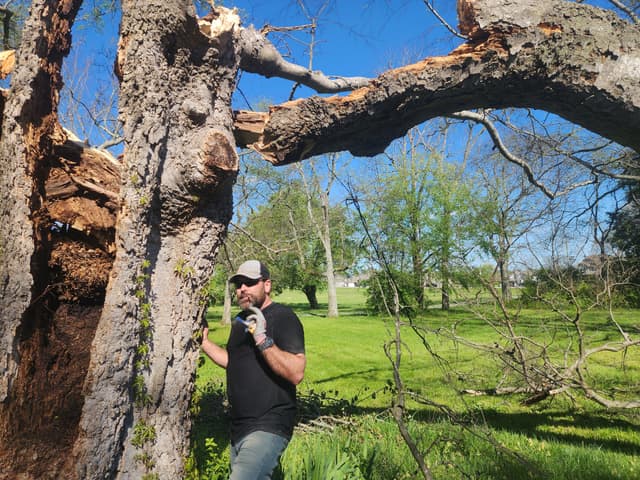
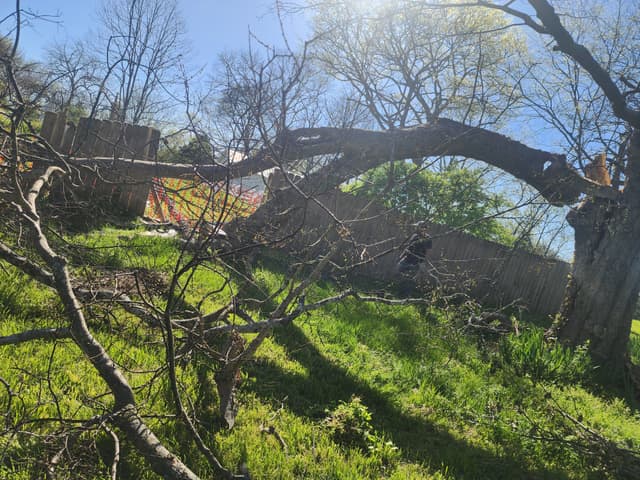
The day before Easter we discovered our largest tree had rotted and split more than halfway through. It had become very dangerous...
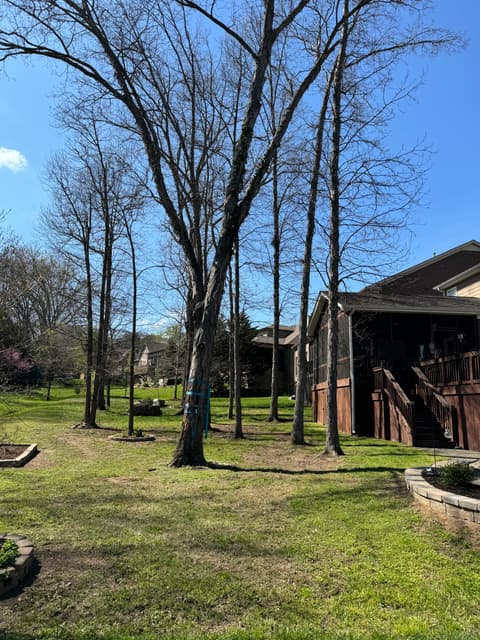
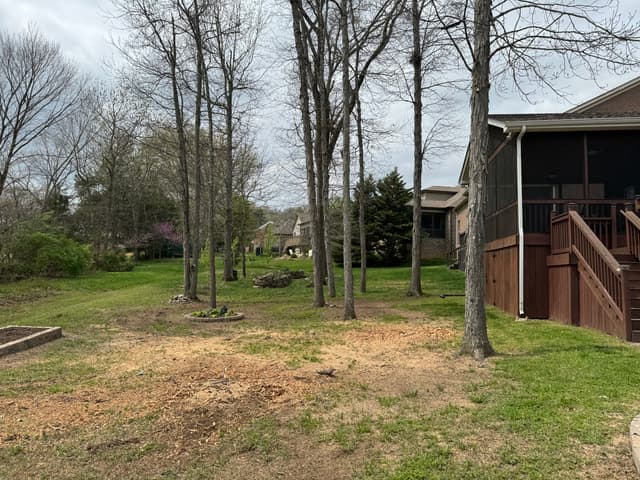
I highly recommend this company. Sales guy was awesome. He stepped me through the entire process. Gave me a great quote that I cou...
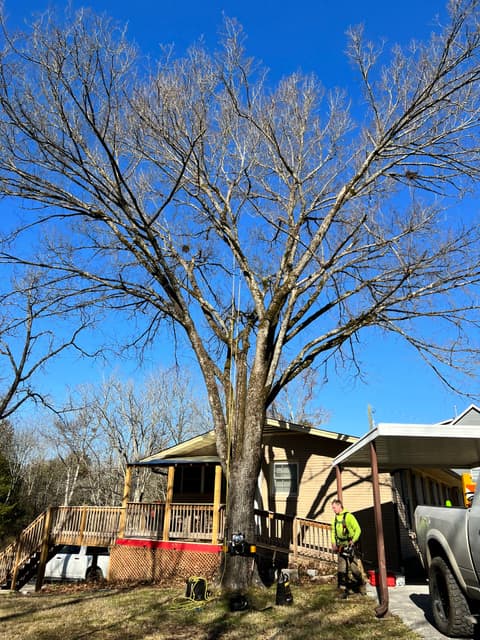
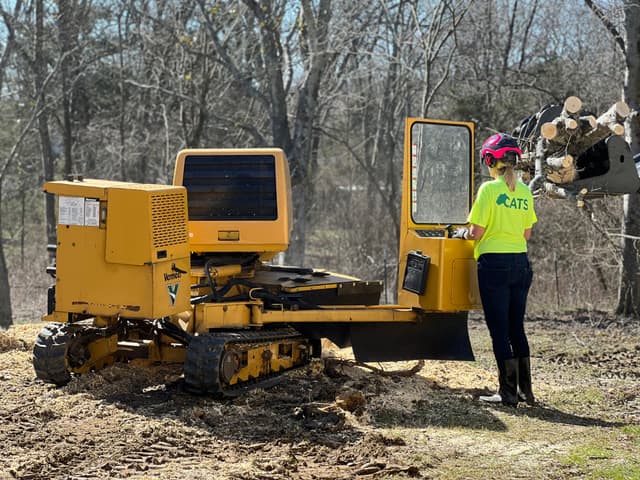
We found the company to be very efficient, listened carefully to our requests and suggestions. It was a pleasure to work with th...
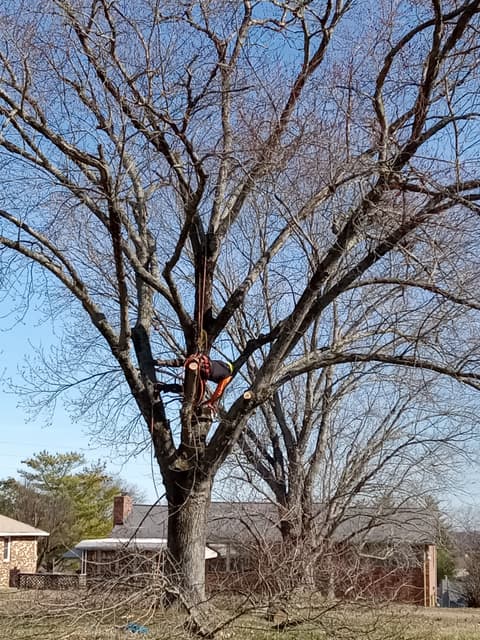
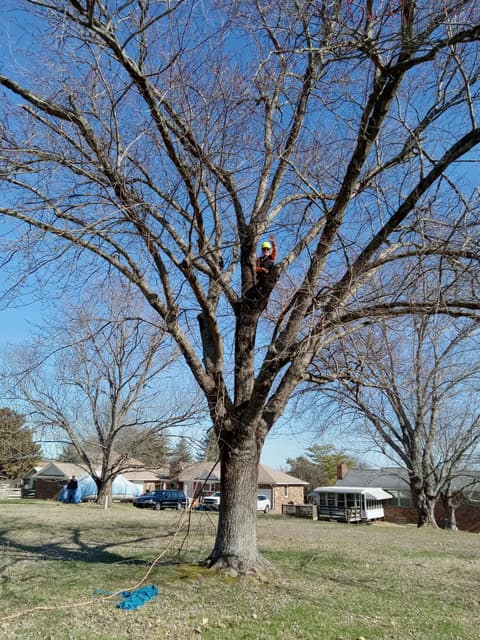
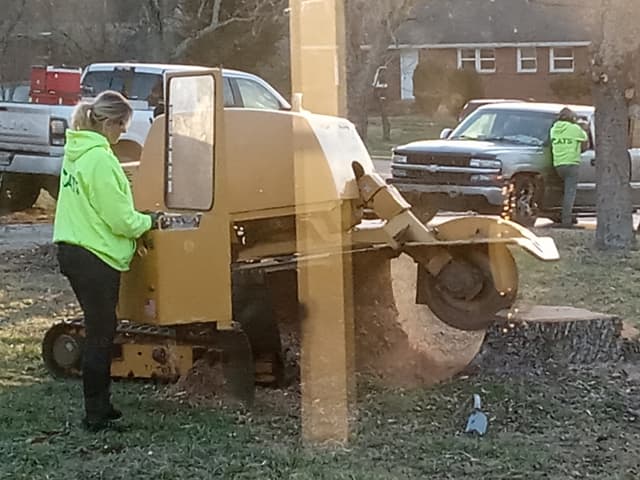
CATS and the Treemasters crew were awesome. They were so careful taking down a large hackberry and trimming another hanging right...
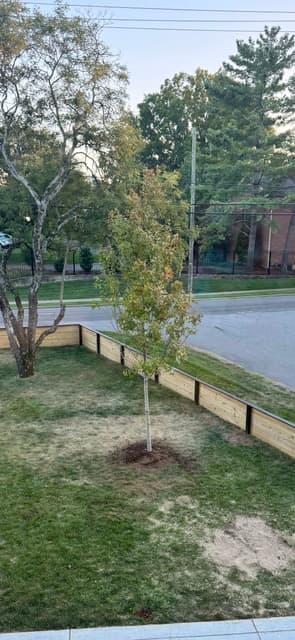
Highly recommend. We unfortunately had a large tree branch break and hanging over our house about to fall and cause some serious d...
Michael, Antonio and his crew did a fantastic job trimming the trees in the butterfly sanctuary that is our yard in Hendersonville...
Found Joe through a neighbor of ours, so happy we did. He lives and works in East Nashville- super personable and professional. Wo...