Tree care for every property in your portfolio, on one contract.

Portfolio managers do not have a tree problem. They have a vendor problem. We put every property you are responsible for under one agreement, one set of standards, and one person who answers the phone.

Thirty properties should not mean thirty vendors. The cost of tree care is the crew. The cost of tree vendors is you.

One agreement, one written standard, one person who answers.

You inherited the list, not the standard.

A crew in one market that does clean work and answers texts. A crew in another that showed up once in 2023. Four sites with no vendor at all. Every one of them invoices differently, every one of them defines a pruning visit differently, and when a regional manager asks who last looked at the oak over the drive lane, the honest answer is that nobody knows.

That is not a tree care problem. That is thirty relationships doing the work of one. This page is about how the account is run, not about the work itself. For what the crews perform at each site, read commercial tree service.

One program, priced for a year, run to one standard.

Every property under the agreement is worked to the same written scope. It defines what gets pruned, what gets inspected, how debris leaves the site, and what a completed visit looks like. Routine pruning and plant health care run on the same calendar at every address, so a report from one market reads like a report from another.

Adding a property later is a line on the program, not a new negotiation. The scope and the reporting are built the same way for four sites as for four hundred.

The paper trail is the product.

Portfolio buyers do not really buy tree work. They buy the record that proves the tree was looked at. Every visit produces a written record for that property: what was found, what was performed, and what is recommended next, filed under your own property code and ready to hand to an owner, an auditor, or an adjuster.

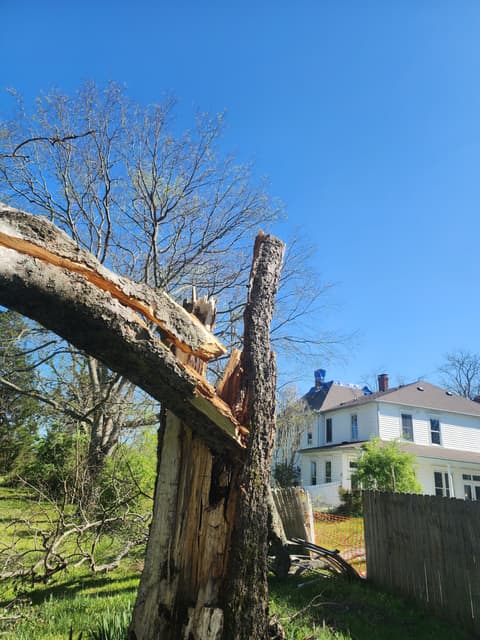
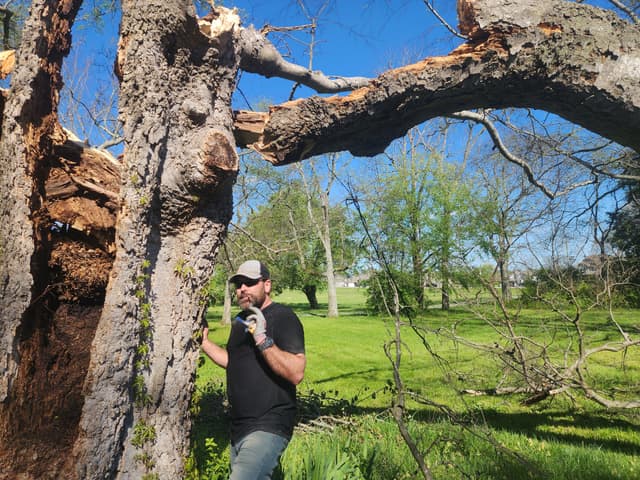
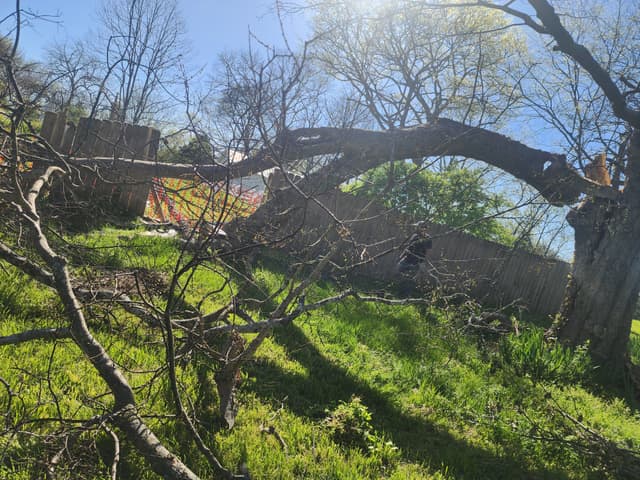
When weather hits a region, the contact who runs your scheduled rounds runs your storm response too. No second vendor, no new account setup at midnight, no explaining which property you are.

Request a portfolio review

How it changes

What a portfolio looks like before and after.

A vendor in every market

Thirty relationships

What a pruning visit means

A different definition in every market.

Documentation

Filed wherever the vendor felt like filing it.

Storm week

Thirty phone calls.

Invoicing

Thirty formats, none of them tied to your codes.

Adding a property

A new vendor onboarding every time.

Who owns the outcome

Whoever picked up in that market.

The Certified Arborist Tree Service

Expert arborists, one standard

What a pruning visit means

One written scope every site is worked to.

Documentation

A written record for every site, every visit.

Storm week

One phone call and one dispatch list.

Invoicing

Tagged to your property codes, at the interval your accounting wants.

Adding a property

A line added to the program.

Who owns the outcome

One named account contact.

The cheapest bid per site

Whoever answers first

What a pruning visit means

Whatever the truck decides that day.

Documentation

A photo on a phone, if you ask for one.

Storm week

Voicemail.

Invoicing

A total on a handwritten ticket.

Adding a property

Start the search over.

Who owns the outcome

Nobody.

The Certified Arborist Tree Service

Expert arborists, one standard

What a pruning visit means

One written scope every site is worked to.

Documentation

A written record for every site, every visit.

Storm week

One phone call and one dispatch list.

Invoicing

Tagged to your property codes, at the interval your accounting wants.

Adding a property

A line added to the program.

Who owns the outcome

One named account contact.

Everyone else

A vendor per market and the cheapest bid

What a pruning visit means

A vendor in every market

A different definition in every market.

The cheapest bid per site

Whatever the truck decides that day.

Documentation

A vendor in every market

Filed wherever the vendor felt like filing it.

The cheapest bid per site

A photo on a phone, if you ask for one.

Storm week

A vendor in every market

Thirty phone calls.

The cheapest bid per site

Voicemail.

Invoicing

A vendor in every market

Thirty formats, none of them tied to your codes.

The cheapest bid per site

A total on a handwritten ticket.

Adding a property

A vendor in every market

A new vendor onboarding every time.

The cheapest bid per site

Start the search over.

Who owns the outcome

A vendor in every market

Whoever picked up in that market.

The cheapest bid per site

Nobody.

Getting started

From first call to first invoice.

The portfolio call

Send us the address list. We tell you which sites we cover today, which sit in a market opening soon, and which we cannot serve. That conversation happens before anything is signed.

The walk

An arborist visits a representative sample of the sites and looks at what is actually there. You get a written baseline: condition, risk, and the work each property needs in the first year.

The scope and the schedule

We turn the baseline into one written standard and a visit calendar for every property, priced for the full year so the budget stops guessing.

One account, one invoice

Work begins on the calendar. Reports land per site. Billing arrives in the format your accounting asked for, not ours.

A property manager and an arborist meeting on site at the start of a scheduled property walk
The account model

Six things a stack of local vendors cannot give you.

  • One named account contact A person, not a queue. They know your property list, they know which sites have the difficult neighbors, and they are the same person in March and in October.
  • One written standard The same scope document governs every site. What gets pruned, what gets inspected, how debris leaves the property, and what counts as a finished visit are defined once and applied everywhere.
  • Per site reporting Every visit produces a record for that property: what was found, what was performed, and what is recommended next. Filed under your property code, ready to hand to an owner, a board, or an adjuster.
  • Billing that fits your ledger The default is one consolidated invoice with a per site line for each property, tagged to your own property codes. A separate invoice per site or per region works too. You pick during onboarding, and it does not change because a crew found it inconvenient.
  • Coordinated storm response When weather hits a region, properties already on file with us are worked before open calls, on the dispatch window written into your agreement, with photos and status as sites are cleared.
  • A budget you can defend An annual forecast built off the real condition of your real trees, so the tree line stops being the surprise that eats the reserve.
Standards

The paperwork your vendor file wants, and the standards behind it.

This company was built by an ISA Certified arborist, and that training is what the program standard is built on. We are licensed and insured, and we carry the insurance that matters, the kind that protects every inch of your property.

  1. One written scope

    The same standard document governs every property in the program, so a regional manager in one market is reading the same document as a regional manager in another.

  2. Crews trained to ANSI A300

    The industry specification that treats topping, flush cuts, and spiking a tree that is staying as bad practice.

  3. Risk written down

    Each recommendation records what the tree could hit, how likely the failure is, and how bad it would be.

  4. The insurance that matters

    The kind that protects every inch of your property. We are glad to talk through coverage with your risk or procurement team before work begins.

  5. Documents for your vendor file

    The documents your vendor onboarding asks for, supplied at setup, plus the program scope itself.

An arborist recording tree condition notes during a property assessment
What every account gets

Built for teams that answer for more than one property.

One contact
A named person for the scheduled round and the storm call
One standard
The same written scope at every address on the agreement
Per site
Reporting and invoicing filed to your own property codes
Forecast
A written budget for the year before your fiscal year starts
What people are saying

Rated 4.9 stars across 140+ reviews.

Real reviews from real customers, straight from our Google Business Profile. Here's what people say once the crew has packed up and the yard is clean.

JB
★★★★★

March 11th, a brief but strong storm came through Goodlettsville and blew over two giant trees in my front yard; one which was being supported by a 3rd tree that was facing and threatening my house. It was an…

Julie Bangs3 days ago
JM
★★★★★

From the time I inquired w this company about removing a tree that was strongly impacted from the major strong 80 mph winds on March 3, 2023, they provided us w exceptional service in every way . They were…

Jeanne Mason3 weeks ago
MD
★★★★★

My family had a tree removal emergency! A large tree in our back yard was on fire and splitting down the middle. The fire department came out the night before to extinguish the fire, but when I woke up the…

Mysty Diehl6 weeks ago
Next step

Send us the address list.

Tell us how many properties, which states, and what is broken about how tree work gets done today.

  • A coverage answer on your address list, market by market
  • One written scope every property is worked to
  • Reporting and invoicing filed to your property codes
Questions

Running tree care across many properties: common questions.

What portfolio and facilities teams ask before the first walk.

Can one provider really cover every property in my portfolio?
In the markets we serve, yes, under one agreement with one point of contact. If a property sits outside our coverage, you hear it from us before you sign, not from a stranger on site. We also tell you when that market is scheduled to open.
How do you keep quality the same at every site?
Every property in your program runs off the same written scope. It defines what gets pruned, what gets inspected, how debris leaves the site, and what a completed visit looks like. A report from one market is built on the same form as a report from another.
How does invoicing work across many properties?
However your accounting needs it. The default is one consolidated invoice with a per site line for each property, tagged to your own property codes. A separate invoice per site or per region works too. We set that up during onboarding, before the first visit.
Who do I call when something falls at 2 in the morning?
Your account contact, on a line that is answered around the clock. Properties already on file with us are worked before open calls. You get a photo and a status on the site within the dispatch window we agree to in your program, and a written record of the work afterward.
Do I have to commit the whole portfolio at once?
No. A program can start with one region or a handful of sites so you can grade the work before you expand. We build the scope and the reporting the same way for four sites as for four hundred, so adding properties later is a signature, not a new negotiation.
What paperwork do you provide for my vendor file?
The documents your vendor onboarding asks for, supplied at setup, plus the program scope itself. If your accounts payable team runs a vendor portal, send us the invite and we will fill it in. We are glad to talk through coverage with your risk or procurement team before work begins.
The rest of our commercial work

Programs for the other property types in your portfolio.

Take back your trees today

One expert arborist. Every tree on your property.

Free estimate. Twenty-four-hour response. No contracts. No commitments.

Or call (844) 835-8733, answered 24/7 by a human.