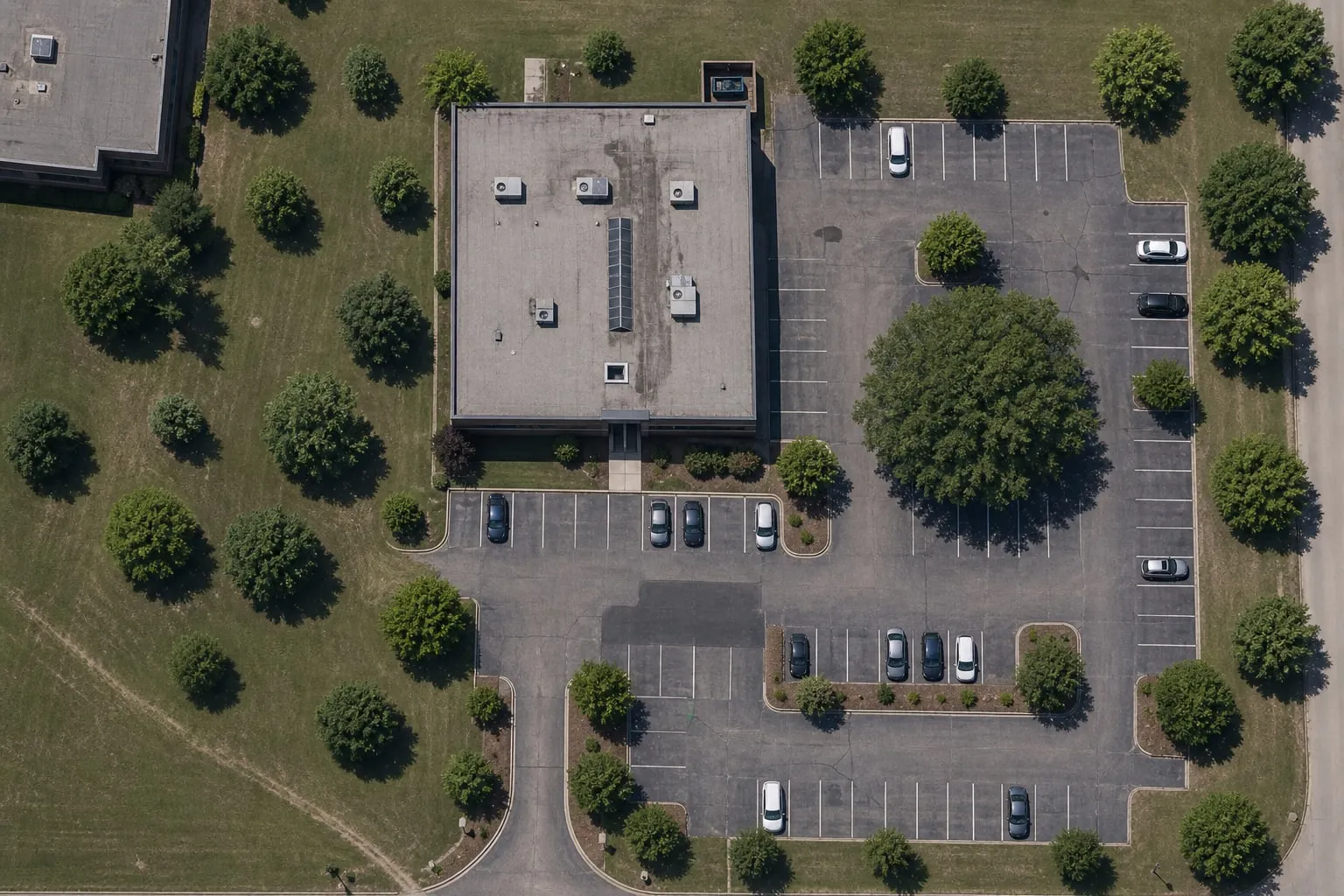
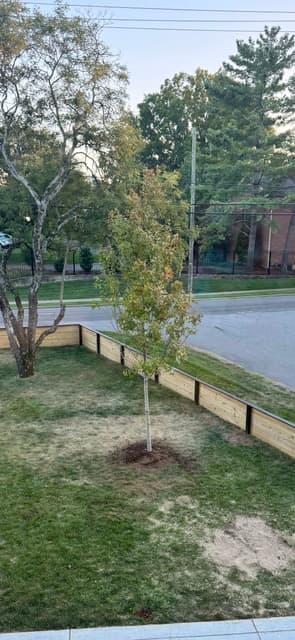
A geotagged inventory of every tree on the property, with species, condition, and the work each one needs, so the budget stops being a guess and the file stops being empty.
Most tree companies show up when something is already wrong. An inventory is how you find out first.
Plan the spend before the season plans it for you.
What you get
Four things land in your inbox.
Not a verbal walkthrough, and not a subscription to somebody else’s software. A finished set of documents you own.
A geotagged mapEvery tree pinned to its coordinates, numbered, and grouped by area, so a crew, a board, or a new manager can find tree 47 without you standing there pointing.
A record for every treeSpecies, approximate age class, trunk size, canopy notes, and a condition rating, with photos of anything that matters. Where a tree needs a closer look, it gets a full risk assessment.
A prioritized work planWhat to do now, what to do this year, what to watch. Priced, so the plan is also a budget: a removal this season, a round of pruning next.
An annual refreshWe walk it again each year, update condition, close out completed work, and reissue the map. Year two is faster because the baseline already exists.
Every tree on your property gets a record like this.
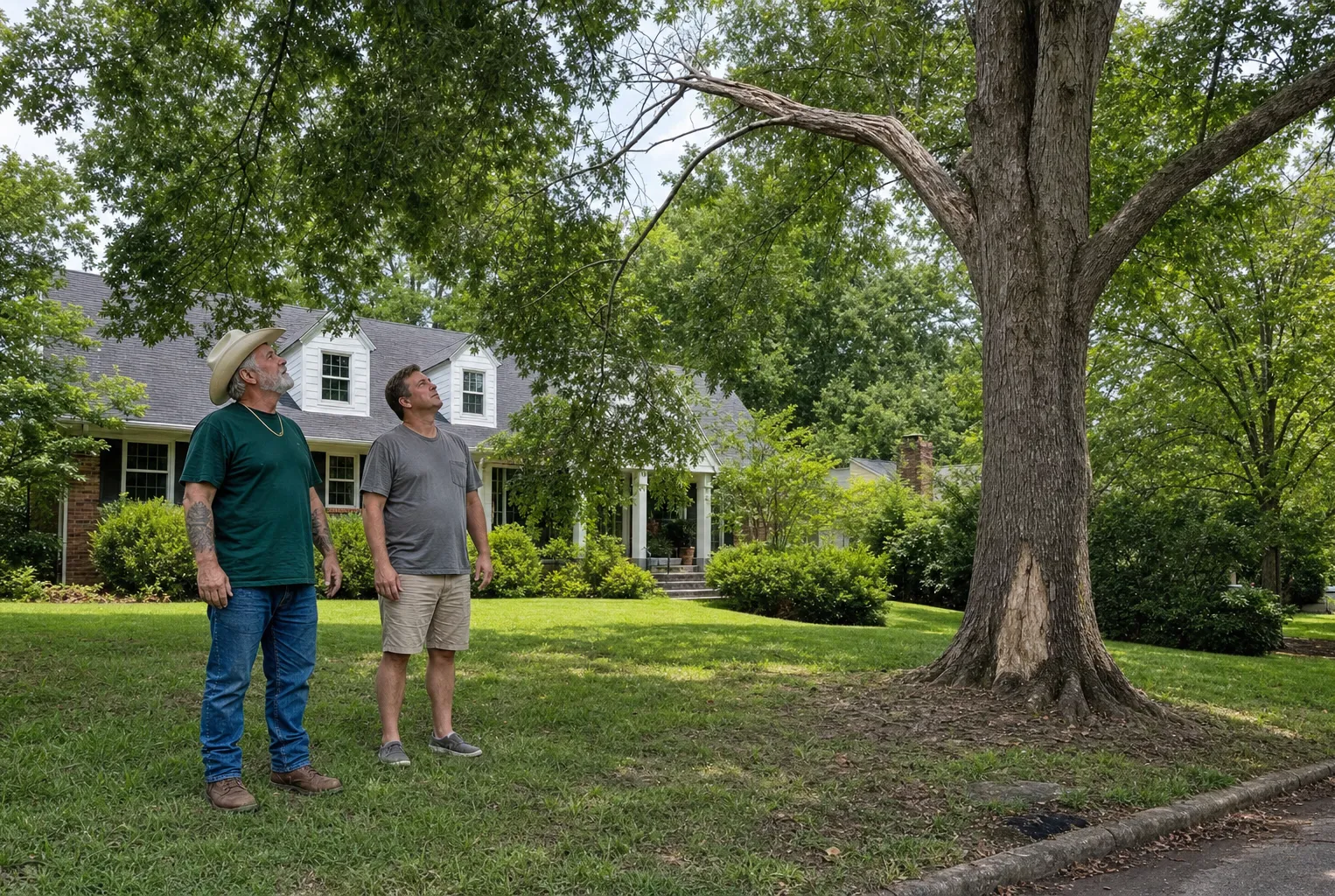
Take an oak at the edge of a parking row. The record shows where it stands, what it is, roughly how old, how wide the trunk measures, and what the arborist saw: a pair of co-dominant stems with a tight union, directly over four parking spaces. Then the recommended work, the priority tier, and the date of the next review. Multiply that by a few hundred trees and you have a plan instead of a worry.
Inventoried canopy
The tree in this record
Illustration only. Not a record of a real property.
Record
Sample record
Species
Sample species
Diameter
Recorded at breast height
Condition
Scored on the site walk
Targets below
Walkway, parked vehicles
Recommended work
Clearance prune
Priority
Phase two
Last inspected
On the most recent round
Why it pays
The inventory earns its keep before a single cut.
Budget
Forecast the spend a year out instead of meeting it as a surprise
Liability
A dated written record of what was known, and when
Storms
Weak trees found before the wind finds them
Approvals
Evidence a board or a purchasing office can read
The method
Walked, recorded, rated, reported.
1
Walk it
An arborist covers the property on foot, tree by tree, including the ones behind the dumpster enclosure that nobody has looked at in six years.
2
Record it
Location, species, size, and condition captured in the field, with photos attached to the tree they belong to.
3
Rate it
Risk assessments follow TRAQ methodology: how likely a part is to fail, how likely that failure meets a person or a car, and how bad it would be. Crews are trained to ANSI A300 standards, and the work plan is written to them.
4
Report it
Map, records, and work plan delivered as a PDF and a spreadsheet within two weeks of the last day on site.
Who runs these
Built for anyone who signs off on grounds.
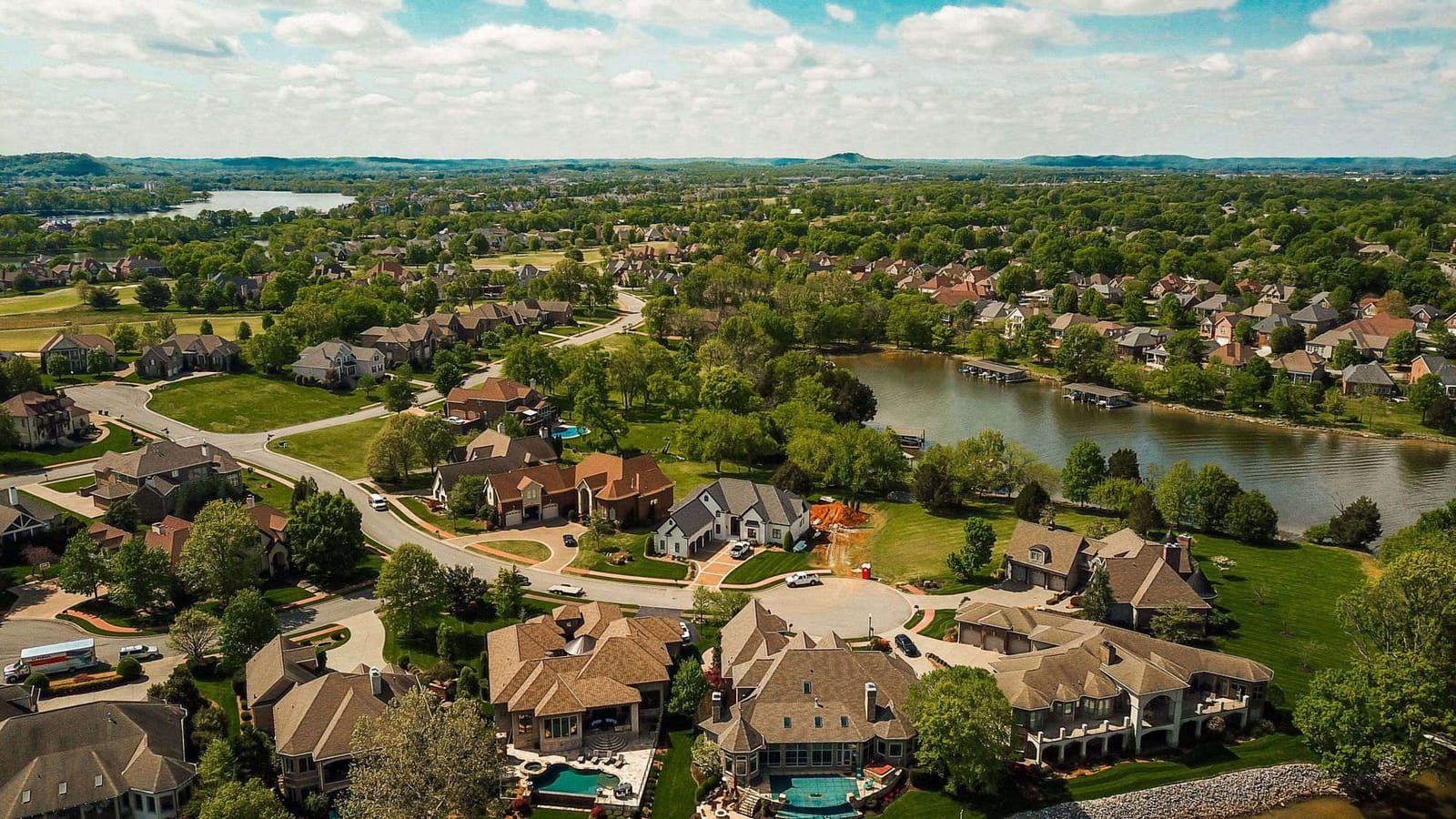
Property management firmsYou carry a book of sites and one budget line per property. The inventory gives you a document to forward and a number to defend, filed per property under one commercial tree service account.
HOA and community boardsVolunteers voting on reserves, with owners watching. The inventory turns an argument about one tree into a phased plan the whole board can read in a packet.
Corporate campuses and headquartersGrounds budgets get graded on not being surprised. A dated plan sets the year, instead of the year setting itself the first time a limb comes down on a visitor space.
Hospitals and higher educationTrees over walkways, entrances, and parking decks, on grounds that also have to keep looking good. Declining trees land on the plant health care list rather than straight on the removal list.
Cities, parks, and public worksPublic trees, public records, and a claim file that has to show somebody was looking. When something fails anyway, storm response comes from the same company that holds the data.
The difference
Most tree care starts after the failure.
The reactive call
A bid after a limb drops
✕What gets looked at
The one tree somebody called about.
✕What you end up holding
A proposal for one job.
✕Budgeting
Repriced every time something fails.
✕Who does the work
Whoever answered the phone that week.
✕Next year
Start over at the next failure.
An inventory program
✓What gets looked at
Every tree on the property, in one walk.
✓What you end up holding
A map, a record per tree, and a costed work plan you own.
✓Budgeting
A phased plan that drops into next year’s budget cycle.
✓Who does the work
The same company that wrote the plan.
✓Next year
A refresh that updates condition and closes out completed work.
A software subscription
A platform your staff maintains
✕What gets looked at
Whatever your staff finds time to enter.
✕What you end up holding
A login, and data somebody on your side keyed in.
✕Budgeting
The platform does not price the work.
✕Who does the work
A second vendor you still have to hire.
✕Next year
The data ages unless somebody keeps maintaining it.
An inventory program
✓What gets looked at
Every tree on the property, in one walk.
✓What you end up holding
A map, a record per tree, and a costed work plan you own.
✓Budgeting
A phased plan that drops into next year’s budget cycle.
✓Who does the work
The same company that wrote the plan.
✓Next year
A refresh that updates condition and closes out completed work.
Everyone else
The reactive call and the software platform
What gets looked at
✕
The reactive call
The one tree somebody called about.
✕
A software subscription
Whatever your staff finds time to enter.
What you end up holding
✕
The reactive call
A proposal for one job.
✕
A software subscription
A login, and data somebody on your side keyed in.
Budgeting
✕
The reactive call
Repriced every time something fails.
✕
A software subscription
The platform does not price the work.
Who does the work
✕
The reactive call
Whoever answered the phone that week.
✕
A software subscription
A second vendor you still have to hire.
Next year
✕
The reactive call
Start over at the next failure.
✕
A software subscription
The data ages unless somebody keeps maintaining it.
The standard
What we ask of ourselves before we ask for the job.
Crews pass the same gate before they work under The Certified Arborist Tree Service,
and have to keep passing it to stay. Crews are trained to ANSI A300 standards.
1
Expert arborists lead
Crews led by people trained to know what a tree needs, not just how to cut it.
2
The insurance that matters
Coverage built for tree work, the kind that protects every inch of your property.
3
A clean record
Reputation checked. A history of unresolved complaints is a no.
4
References that hold up
Real customers, real jobs, checked.
5
Capacity to show up
They answer when you call. A standard nobody picks up the phone for is not a standard.
What people are saying
Rated 4.9 stars across 140+ reviews.
Real reviews from real customers, straight from our Google Business Profile. Here's what people say once the crew has packed up and the yard is clean.
JB
★★★★★
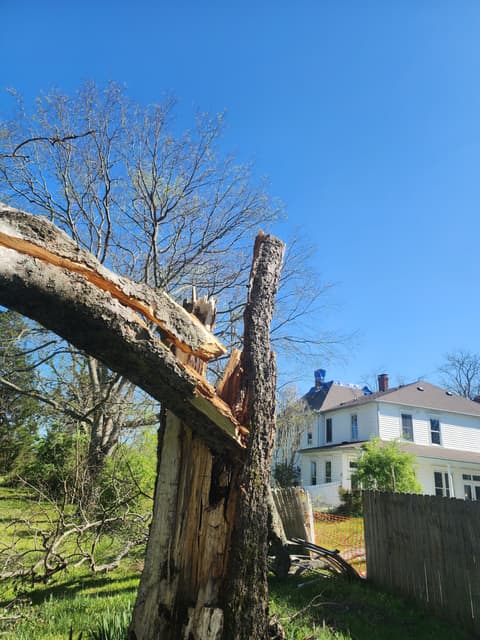
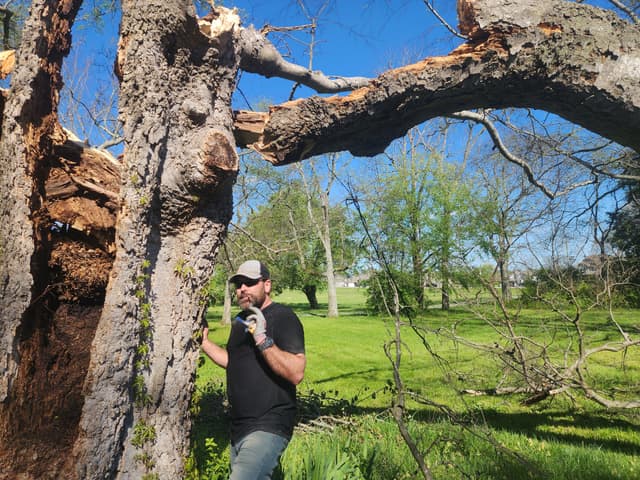
March 11th, a brief but strong storm came through Goodlettsville and blew over two giant trees in my front yard; one which was being supported by a 3rd tree that was facing and threatening my house. It was an…
Julie Bangs●3 days ago
JM
★★★★★
From the time I inquired w this company about removing a tree that was strongly impacted from the major strong 80 mph winds on March 3, 2023, they provided us w exceptional service in every way . They were…
Jeanne Mason●3 weeks ago
MD
★★★★★
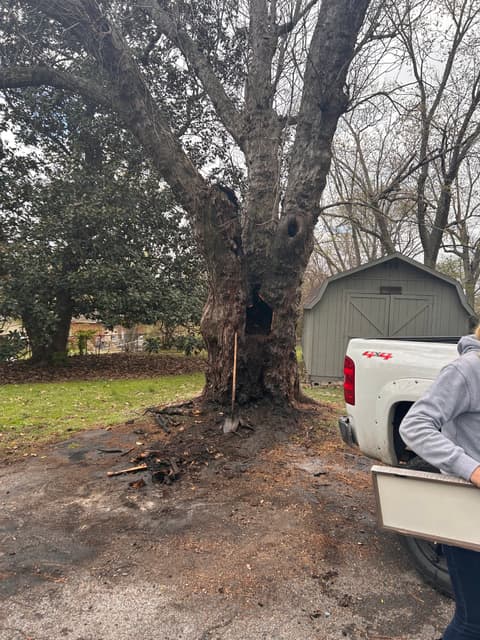
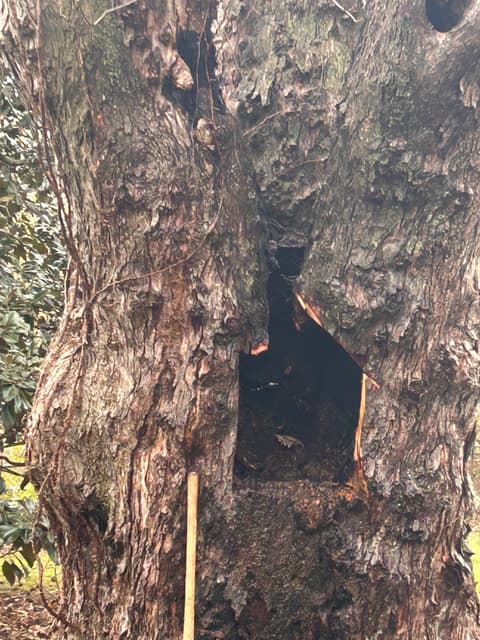
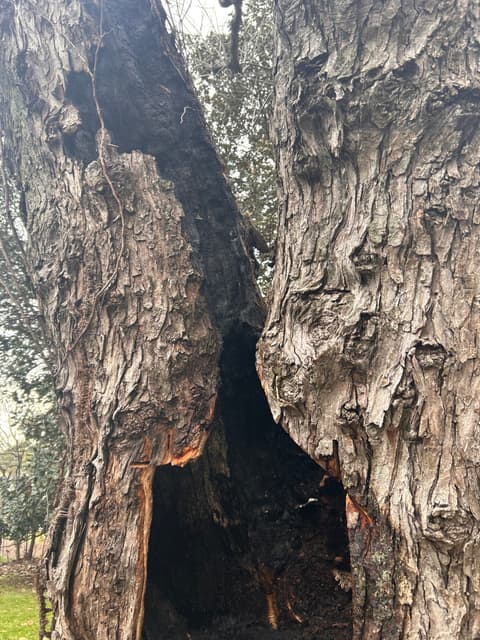
My family had a tree removal emergency! A large tree in our back yard was on fire and splitting down the middle. The fire department came out the night before to extinguish the fire, but when I woke up the…
Corporate campuses, hospital systems, and headquarters landscapes. Quarterly walks, annual risk reports, and paperwork your facilities team can keep on file.
Straight answers on scope, timing, and what the report is good for.
What do I actually receive?
A map with every tree pinned to its coordinates, a record for each tree covering species, approximate age class, size, and condition, and a work plan that sorts recommended work into what to do now, what to do this year, and what to watch. You get it as a PDF and as a spreadsheet you can sort and filter.
How long does an inventory take?
Field work on a typical office park or community runs one to three days depending on tree count and access. The finished report follows within two weeks of the last day on site. Larger portfolios get scheduled site by site so you are not waiting on the whole book to see the first one.
How is condition rated?
Each tree is scored on how likely a part is to fail, how likely that failure meets a person or a car, and how bad it would be. That is why two trees with the same crack can land in different priority tiers. One is over a parking row, the other is over lawn.
Can I use the report for insurance or a board vote?
Yes. The report is dated, photographed, and written to be read by someone who was never on the property. Boards use it to justify a spend, and adjusters read it as the record of what was known and when.
Do I have to do the work you recommend?
No. The inventory is a standalone deliverable and it is priced that way, and you own the data. Bidding the recommended work out is a normal way to use it, and the inventory makes those bids comparable, because every bidder is pricing the same list.
What does the annual refresh cover?
We walk the property again, update condition on every tree, close out work that was completed, add trees that were planted, and reissue the map and the budget outlook. The second year is faster and cheaper than the first because the baseline already exists.
How we work
You'll get an arborist who's seen this exact tree problem a thousand times.
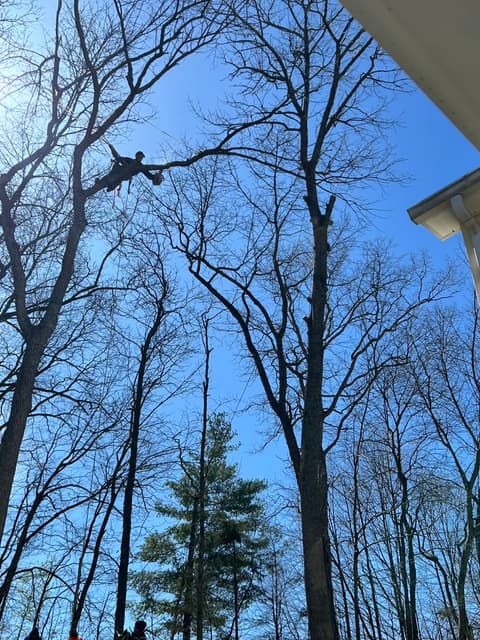
Estimates are handled by an experienced professional arborist, not a salesperson. That means honest diagnosis, plain language explanations, and a written plan you can actually act on. Our crews are trained to ANSI A300 industry standards to keep the work consistent and safe, but our real proof is the trees still standing on the streets we've worked for forty years.
The Insurance That Matters
Coverage built for tree work, protecting every inch of your property.
Expert Arborists
Estimates come from an experienced professional walking your property, not a script.
Year Round Service
Mon–Sun, 24 hours. We don't pause for the seasons.
Start the file
Request a property review.
Tell us what you manage. An arborist calls back to scope the walk and put a date on it.
A map, a record per tree, and a costed work plan
A PDF and a spreadsheet you own, with no platform to learn
An annual refresh that keeps the file current
Take back your trees today
One expert arborist. Every tree on your property.
Free estimate. Twenty-four-hour response. No contracts. No commitments.