Municipal tree care for the streets, parks, and public property you answer for.
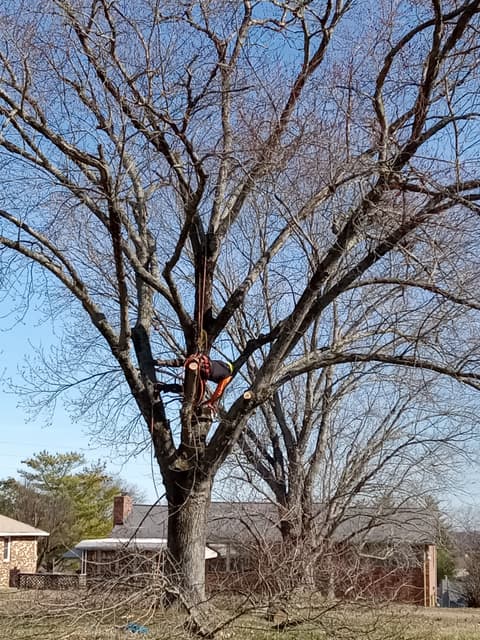
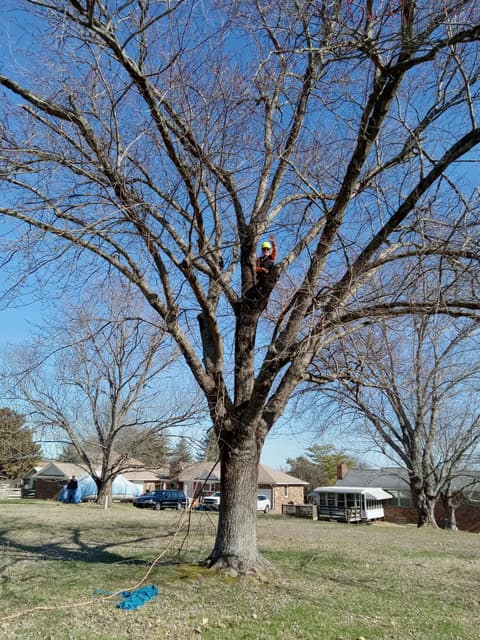
Right of way pruning, hazard removals, and storm response for cities, townships, school districts, and park boards. We pull the permits, we write the traffic control plan, and we document every tree we touch.
Public trees have a different set of rules. We already work inside them.
A homeowner decides on a Saturday. You decide against a budget line, a threshold, a board calendar, and a resident who has already called twice about the limb over the sidewalk. That is a different job, and it is the one we built this program for.
Cities and townsStreet trees, park canopy, and the removal backlog nobody has had a crew for. We work a route and hand back a record.
Townships and countiesRoadside clearance along township roads and ditch lines, scheduled so the highway crew is not the one in the bucket.
Public school districtsTrees over walkways, bus loops, and play areas, assessed on a calendar and worked outside student hours.
Park districts and park boardsTrail clearance, canopy over pavilions and playgrounds, and the memorial trees that get watched closely.
Public campuses and authoritiesCommunity colleges, public universities, housing authorities, and libraries. Same process, same paperwork, run as commercial tree service.
Scope
The work your bid packet already names.
Right of way and street treesClearance pruning over travel lanes, sidewalks, and signal sight lines. Cycle pruning by block, or a punch list you hand us.
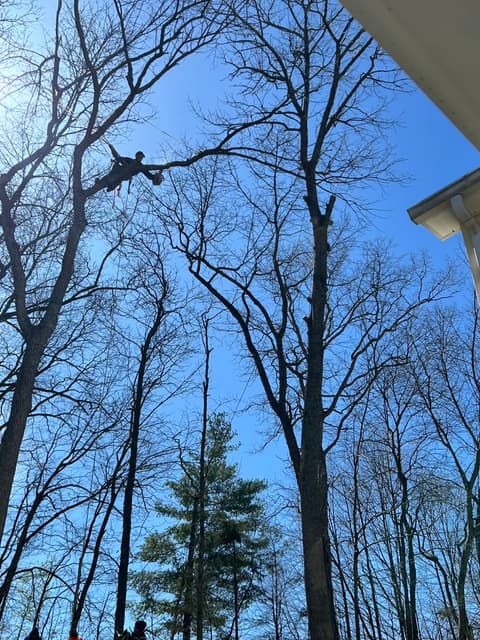
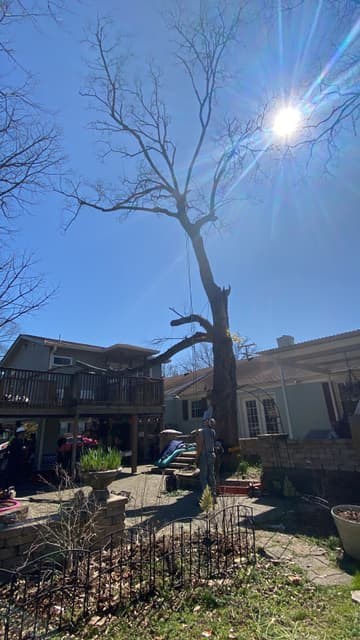
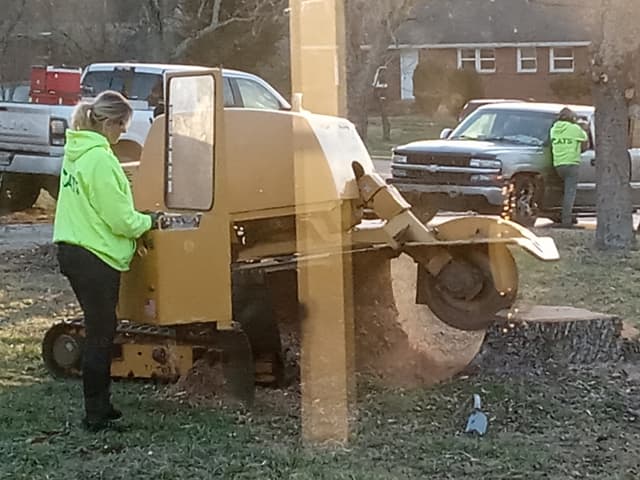
Hazard tree removalTrees that failed assessment come down, including takedowns over live roads, utility drops, and parking. Removal and stump work are quoted together.
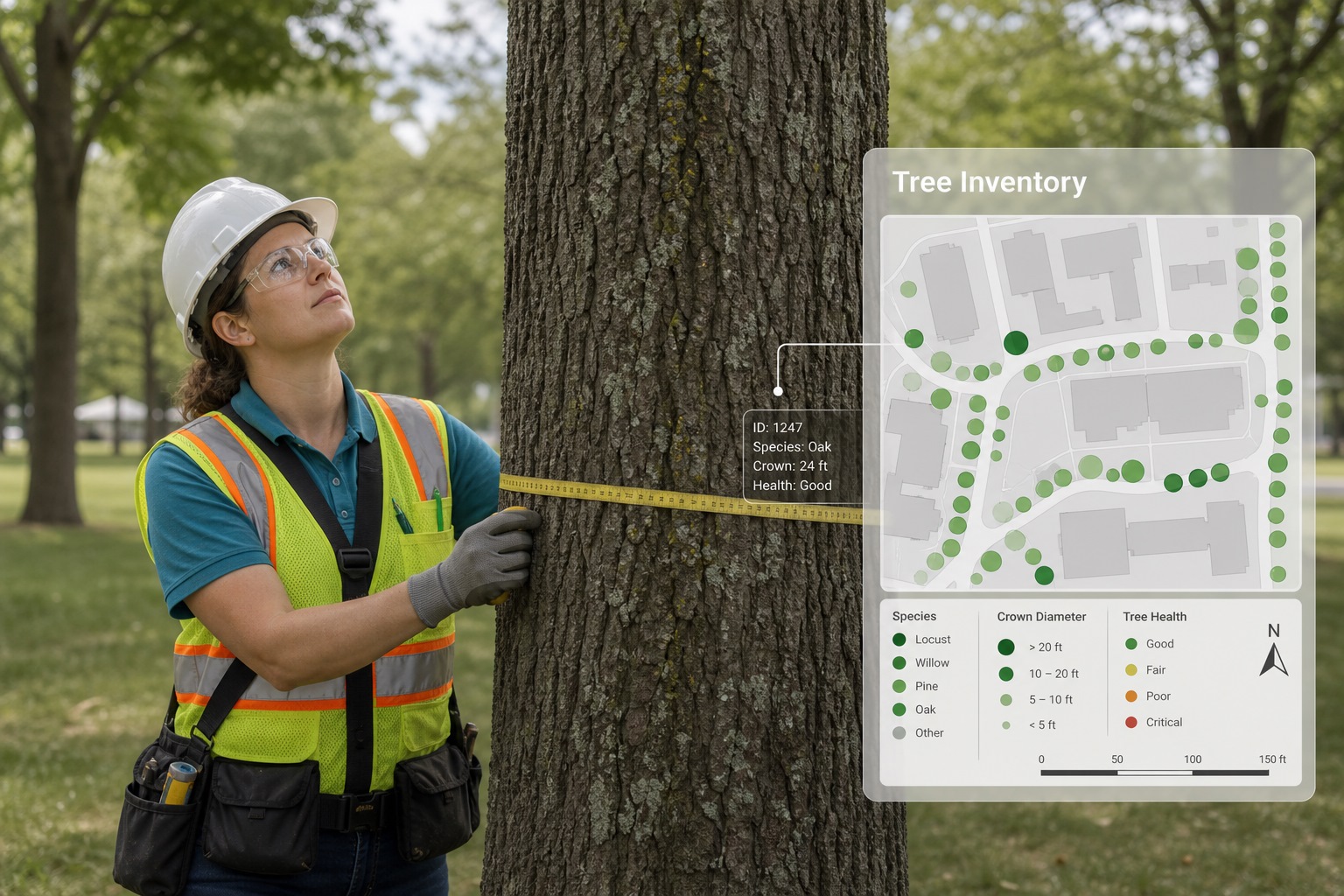
Risk assessment and inventoryA geotagged record of every public tree in scope: species, size, condition, defect, and the recommended action with a priority on it. See tree risk assessment.
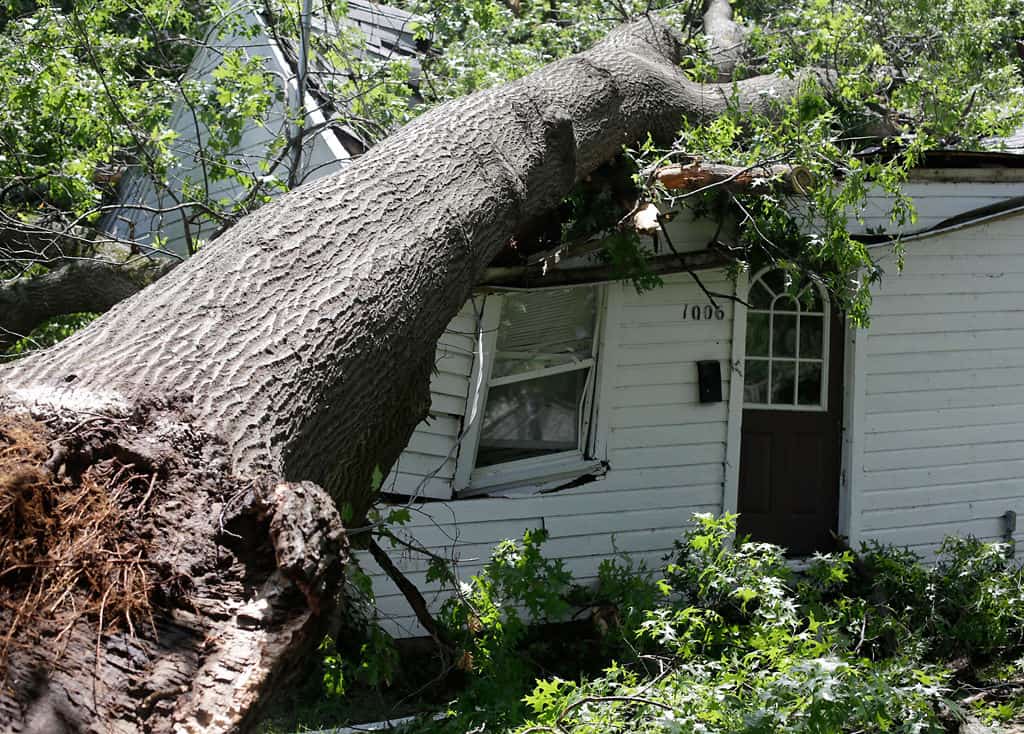
Storm responseRoad clearing, hangers, and debris after the wind, run as emergency tree service. One dispatch contact, per site documentation as we go, so the reimbursement paperwork is not a scramble later.
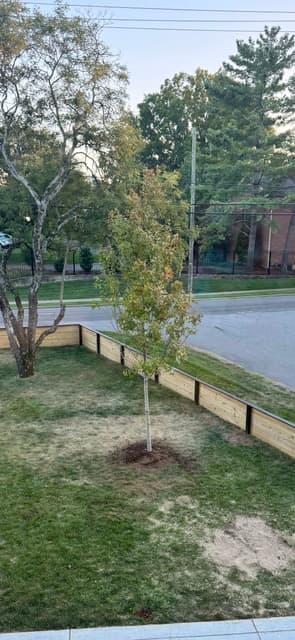
Planting and young tree trainingReplacement planting after removals, plus structural pruning in years three through eight, which is where a street tree stops becoming a future hazard.
Plant health careTreatment programs for the pests and diseases moving through public canopy, written as a multiyear plan rather than a truck roll. See plant health care.
How the work runs
You should not have to write the traffic control plan.
Most tree work on public property is really two jobs: the tree, and everything that has to happen around it so the street keeps working. We do both, and the second one does not land on your desk.
1
We walk it with you
An expert arborist walks the route or the grounds, and you get a scope that names each tree, not a lump sum.
2
You get it in writing
Written scope and price per site, formatted to your threshold, so a director can issue a purchase order or a purchasing office can drop it into a bid tab.
3
We handle permits and traffic control
We pull the permits the jurisdiction requires and submit a traffic control plan for any lane, shoulder, or sidewalk we occupy. Crews are trained to ANSI A300 standards, and risk assessments follow TRAQ methodology.
4
You get the record back
Condition notes, photos, and a completion log per site. The kind of file that answers a board question a year later without a phone call.
Documentation
Every tree we touch leaves a paper trail.
The work is half of it. The other half is being able to show, two budget cycles from now, what was done to which tree and why. Ask for the vendor packet and we will send the forms your purchasing office needs before the first crew shows up. We are happy to talk through coverage before work begins.
Written scope, per siteAddress, tree, action, price. Nothing bundled into a mystery line.
Condition notes, per treeSpecies, size, defect, target, and the recommended action with a priority on it.
Photos before and afterEnough to answer a resident complaint without sending anyone back out.
Completion logWhat got done, when, and by whom, in a format your auditor and your board can both read.
We submit a plan for any lane, shoulder, or sidewalk we occupy.
✓Documentation
Written scope, condition notes, photos, and a completion log per site.
✓Insurance
Licensed and insured, with the insurance that matters, the kind that protects every inch of your property.
✓Storm week
A named dispatch contact and a documented site by site record.
Everyone else
The low bid crew and the landscape contractor
Who assesses the tree
✕
The low bid crew
Whoever is driving the truck that day.
✕
A landscape contractor
A crew leader whose real training is in turf and beds.
Standards
✕
The low bid crew
Topping and flush cuts, still common on public streets.
✕
A landscape contractor
Whatever the mower schedule allows time for.
Traffic control
✕
The low bid crew
Cones, sometimes.
✕
A landscape contractor
Not their scope, so it becomes yours.
Documentation
✕
The low bid crew
An invoice.
✕
A landscape contractor
A line on the grounds contract.
Insurance
✕
The low bid crew
Frequently thin, and you find out after the incident.
✕
A landscape contractor
Covered for landscape work, which is not the same exposure.
Storm week
✕
The low bid crew
Unreachable, or already committed to residential routes.
✕
A landscape contractor
Mowing crews with chainsaws.
Vetting list
What to ask any tree contractor before you award the work.
Five questions a director or a purchasing officer can put to every bidder, including us.
1
Expert arborists lead
Crews led by people trained to know what a tree needs, not just how to cut it.
2
The insurance that matters
Coverage built for tree work, the kind that protects every inch of your property.
3
A clean record
Reputation checked. A history of unresolved complaints is a no.
4
References that hold up
Real customers, real jobs, checked.
5
Capacity to show up
They answer when you call. A standard nobody picks up the phone for is not a standard.
What people are saying
Rated 4.9 stars across 140+ reviews.
Real reviews from real customers, straight from our Google Business Profile. Here's what people say once the crew has packed up and the yard is clean.
JB
★★★★★
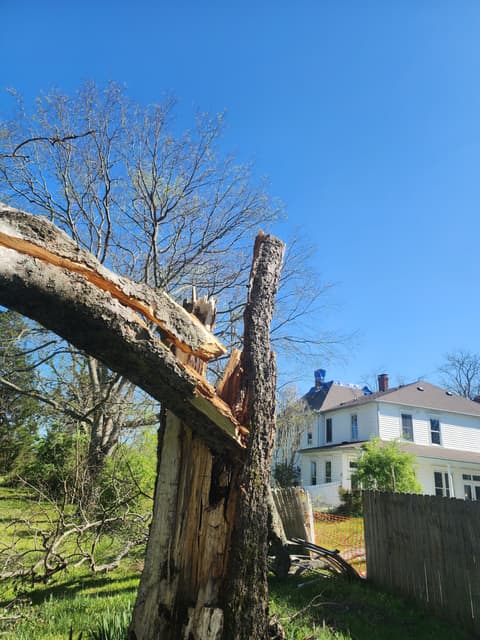
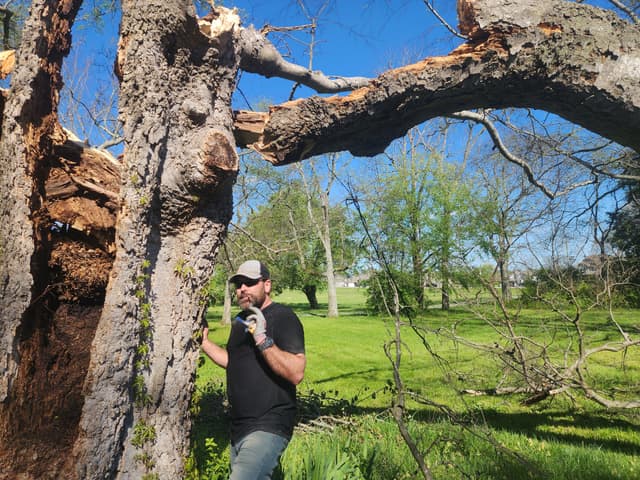
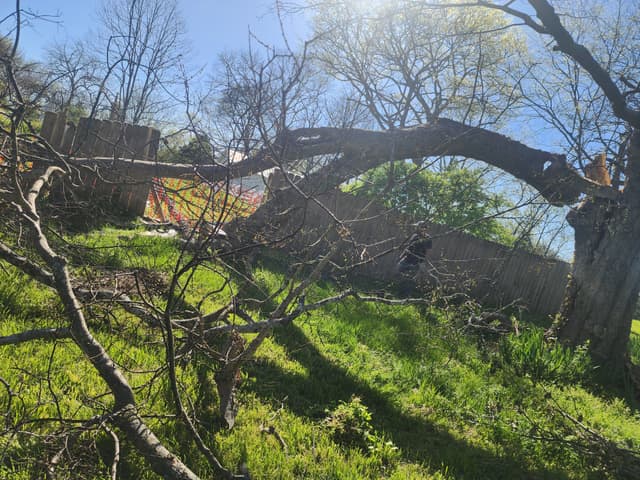
March 11th, a brief but strong storm came through Goodlettsville and blew over two giant trees in my front yard; one which was being supported by a 3rd tree that was facing and threatening my house. It was an…
Julie Bangs●3 days ago
JM
★★★★★
From the time I inquired w this company about removing a tree that was strongly impacted from the major strong 80 mph winds on March 3, 2023, they provided us w exceptional service in every way . They were…
Jeanne Mason●3 weeks ago
MD
★★★★★
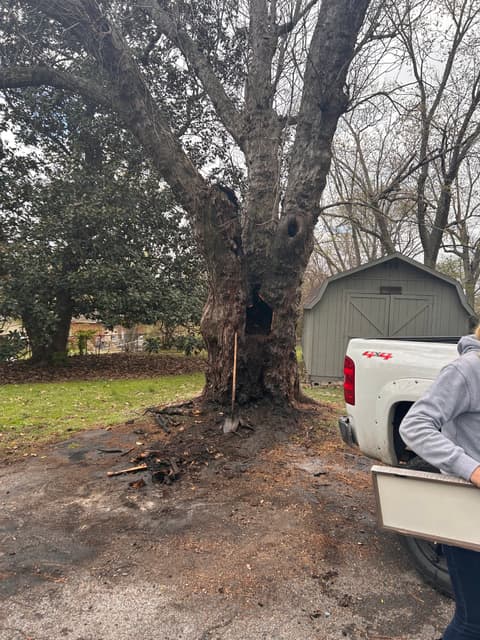
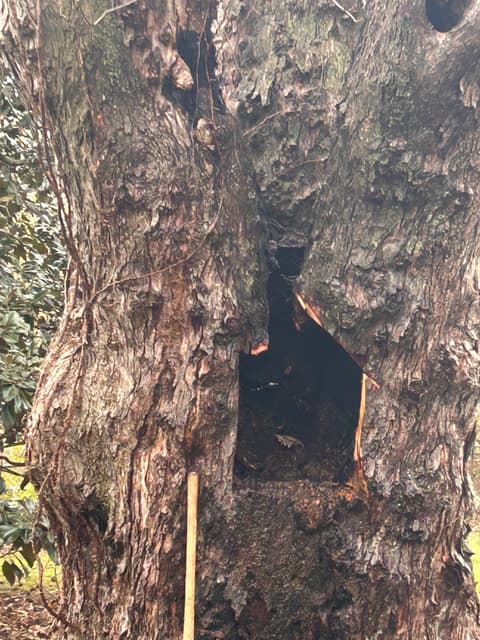
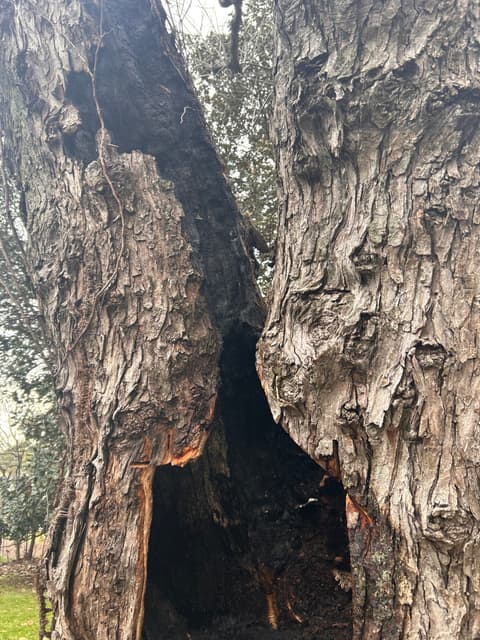
My family had a tree removal emergency! A large tree in our back yard was on fire and splitting down the middle. The fire department came out the night before to extinguish the fire, but when I woke up the…
Corporate campuses, hospital systems, and headquarters landscapes. Quarterly walks, annual risk reports, and paperwork your facilities team can keep on file.
The things directors and purchasing officers ask us first.
Do you handle permits and traffic control?
Yes. We pull the permits the jurisdiction requires and submit a traffic control plan for any work that occupies a lane, a shoulder, or a sidewalk. Your staff reviews it. You do not have to write it.
Can you work inside our procurement process?
Yes. We respond to sealed bids and RFPs, and we can supply written quotes at the level a director can issue against a purchase order. Tell us your threshold and we will format the pricing to match it.
What paperwork do we get for our vendor file?
A completed vendor packet before work starts, and a documented record after. That means the forms your purchasing office asks for up front, then a written scope per site, condition notes per tree, and a completion log you can hand to an auditor. We are happy to talk through coverage before work begins.
How do you decide which public trees come down?
By assessment, in writing, before anyone touches a saw. Each recommendation records what the tree could hit, how likely the failure is, and how bad it would be. That is the record that holds up if a resident or a board member questions the call.
Can you respond during a storm if we are not already under contract?
Yes, and many jurisdictions carry an emergency purchasing clause that lets a director hire on the spot. It goes faster when we are already on file, so the useful time to set that up is before the season, not during it.
Do you work on school and park properties too?
Yes. School districts and park districts buy the way cities do, so the process is the same. Work on school grounds gets scheduled around bell times, bus loops, and events, and we can stage the crew outside student hours.
Take back your trees today
One expert arborist. Every tree on your property.
Free estimate. Twenty-four-hour response. No contracts. No commitments.