
Nobody owns the canopy
Mowing crews handle what they can reach. Everything above that gets noticed the week it fails, and canopy health is nobody’s line item until it is an emergency.
Corporate campuses, hospital systems, and headquarters grounds. We walk the property every quarter, write down what we find, and hand your team a file it can keep. One budget, set once a year.

There is somebody on the grounds every week. Almost nobody is looking up.
Mowing crews handle what they can reach. Everything above that gets noticed the week it fails, and canopy health is nobody’s line item until it is an emergency.
When something does fail, the first question is what the property knew and when. The honest answer is often nothing, in writing.
A removal you did not budget for is worse than the same removal scheduled in October. Unplanned work is the most expensive kind.
Everything below is written for your team to keep, forward, and pull up two years from now when somebody asks a question.
Crews report where you tell them to report, wear what you require, and carry whatever badge your property issues.
Early mornings, weekends, semester breaks, shutdown weeks. If a board meeting is at ten, the chipper is not running at ten.
Ambulance bays, fire lanes, loading docks, and main entrances are planned around before a crew arrives. We stage where you point, and we tell your team the day before. The same standard runs on every property type we cover under commercial tree service.
Real reviews from real customers, straight from our Google Business Profile. Here's what people say once the crew has packed up and the yard is clean.
March 11th, a brief but strong storm came through Goodlettsville and blew over two giant trees in my front yard; one which was being supported by a 3rd tree that was facing and threatening my house. It was an…
From the time I inquired w this company about removing a tree that was strongly impacted from the major strong 80 mph winds on March 3, 2023, they provided us w exceptional service in every way . They were…
My family had a tree removal emergency! A large tree in our back yard was on fire and splitting down the middle. The fire department came out the night before to extinguish the fire, but when I woke up the…
One point of contact for the whole community: scheduled rounds, reports a board can read, and uniform standards across every lot.
Learn more →Fast dispatch to any property in our service area, with the insurance that matters and safety plans your operations team can review.
Learn more →ROW maintenance, public works contracts, and storm response for city forestry teams. We handle permits and traffic plans.
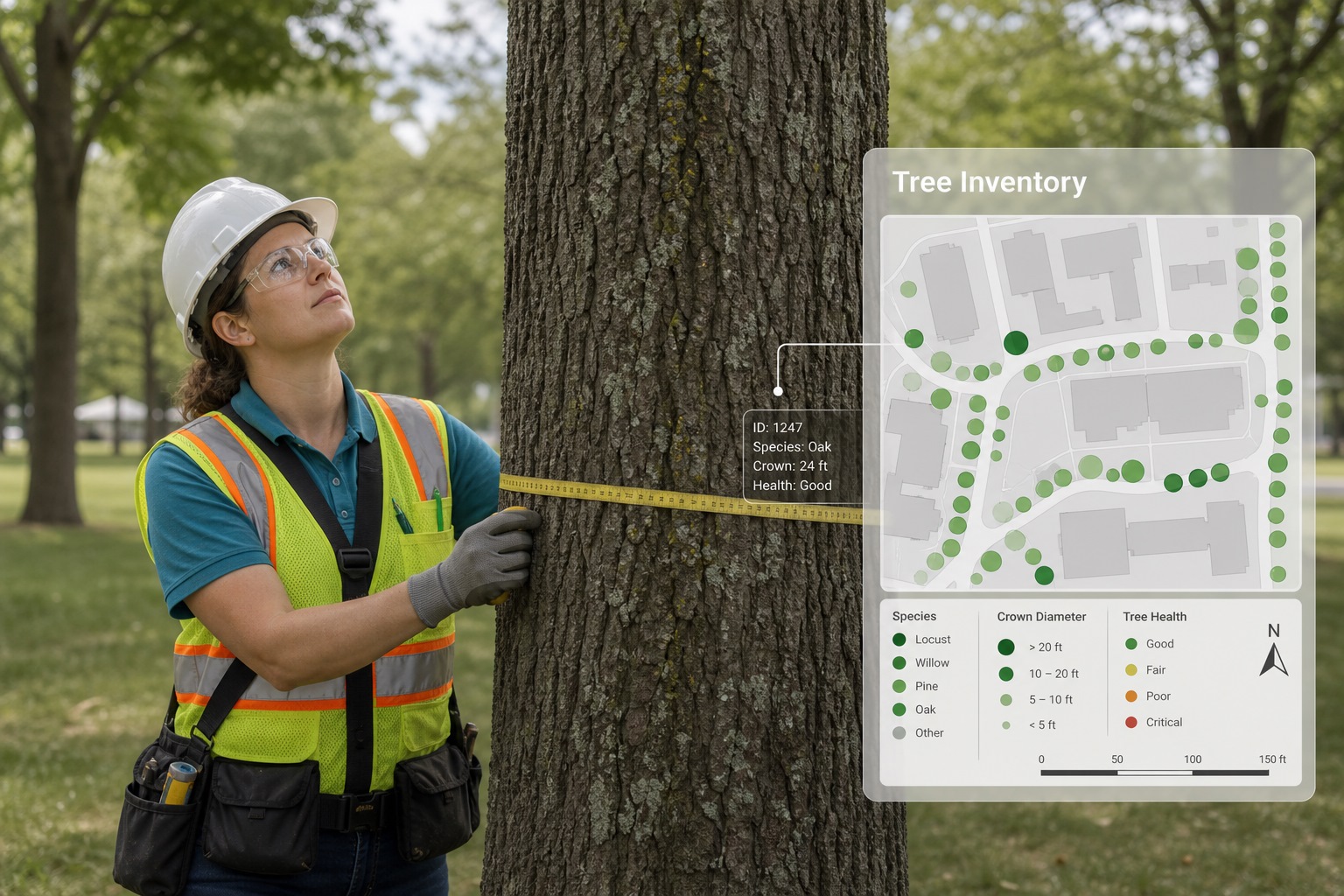
Learn more →A geotagged inventory of every tree on the property: species, age, condition, and recommended work, refreshed annually.
Learn more →Simplify tree care across multiple properties with a single, trusted provider. Consistent maintenance and emergency response.
Learn more →Short answers. Longer ones happen on the walk.
An expert arborist walks the property, and you get a written assessment you can keep, whether or not you hire us.
Free estimate. Twenty-four-hour response. No contracts. No commitments.
Or call (844) 835-8733, answered 24/7 by a human.
Enjoyed our service? Share your experience.
March 11th, a brief but strong storm came through Goodlettsville and blew over two giant trees in my front yard; one which was bei...
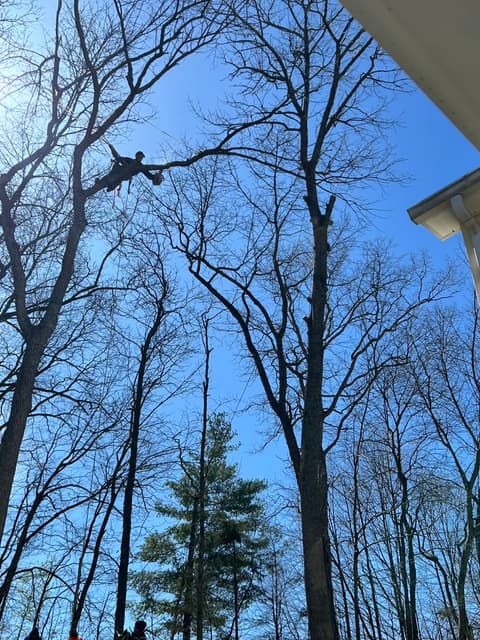
From the time I inquired w this company about removing a tree that was strongly impacted from the major strong 80 mph winds on Mar...
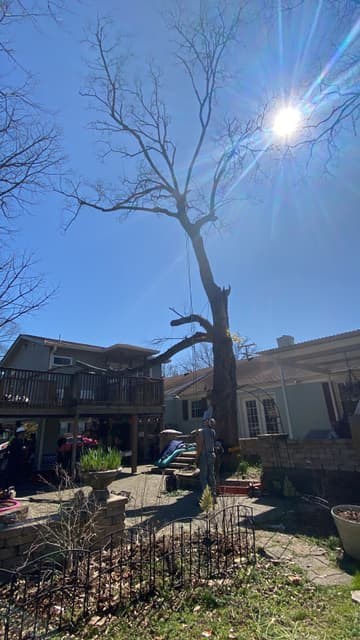
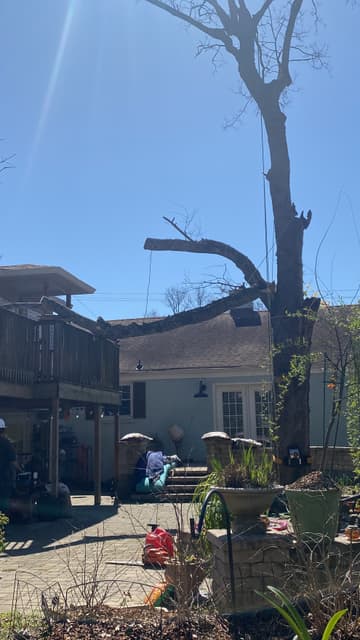
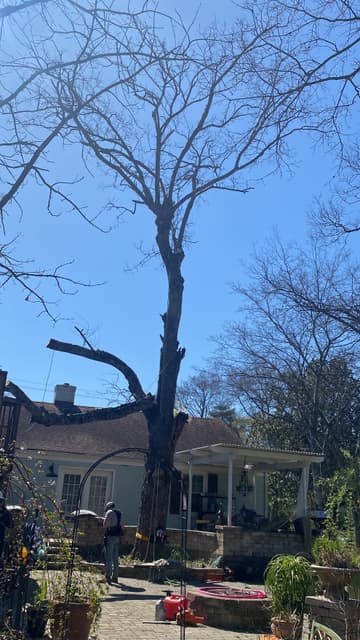
My family had a tree removal emergency! A large tree in our back yard was on fire and splitting down the middle. The fire departme...
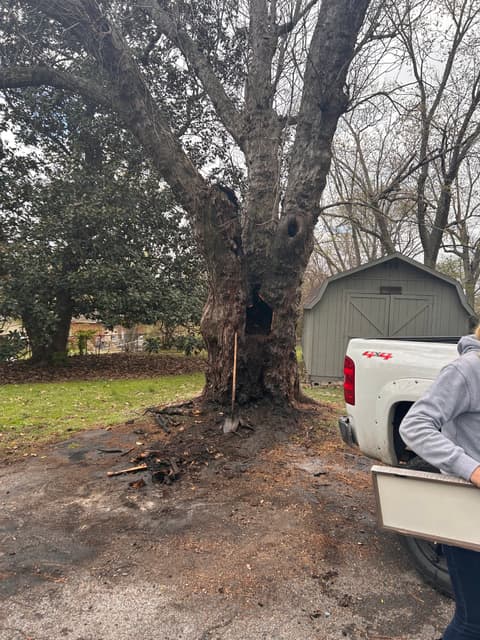
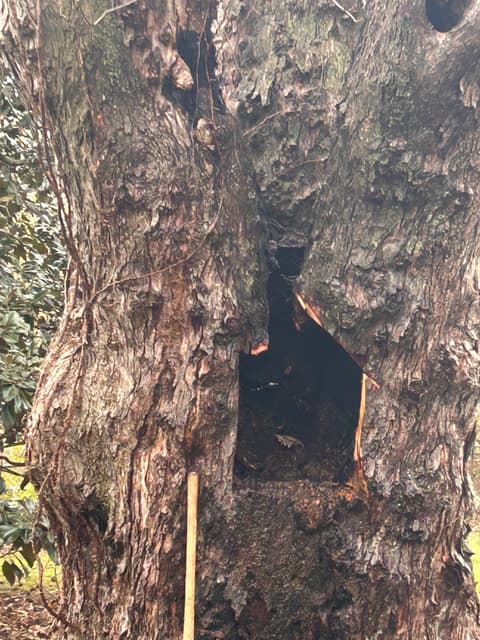
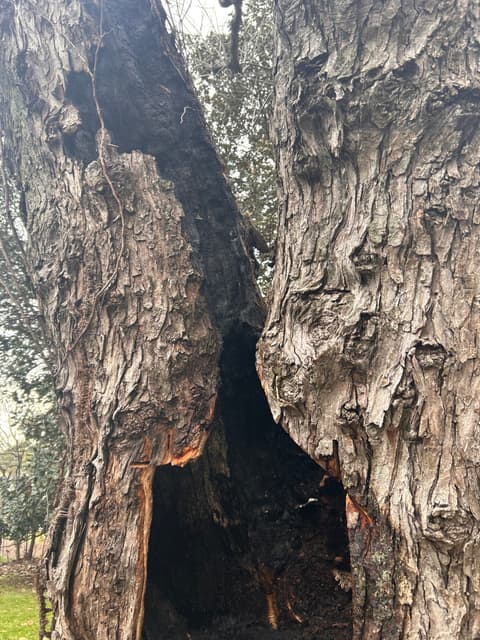
Great service, communication and fair pricing. Would recommend for any job big or small this company is the real deal! Thanks CATS...
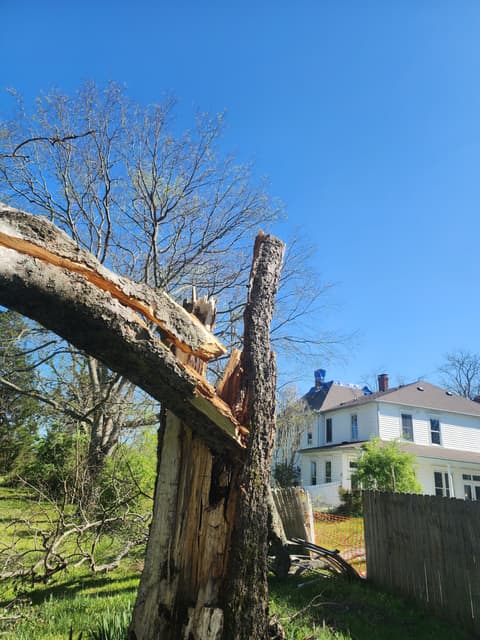
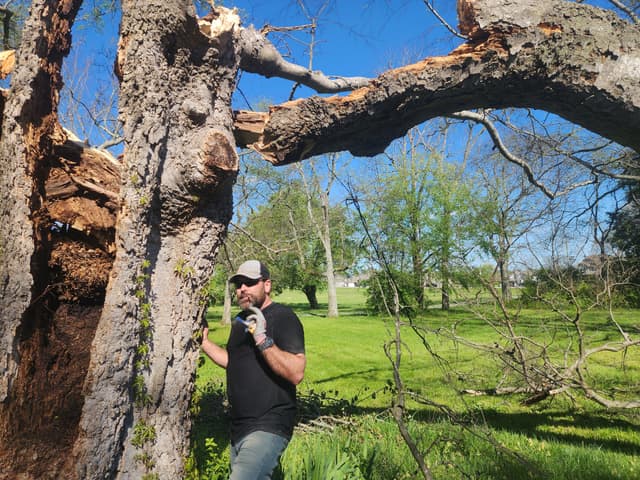
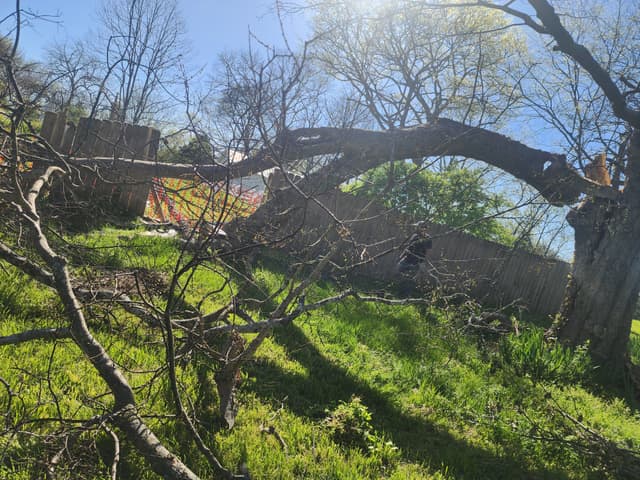
The day before Easter we discovered our largest tree had rotted and split more than halfway through. It had become very dangerous...
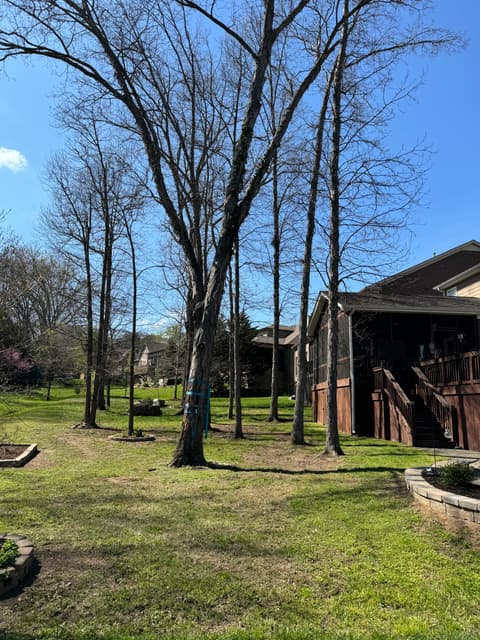
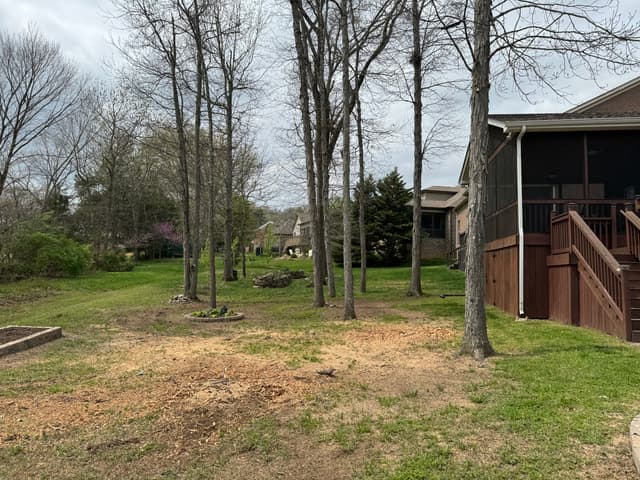
I highly recommend this company. Sales guy was awesome. He stepped me through the entire process. Gave me a great quote that I cou...
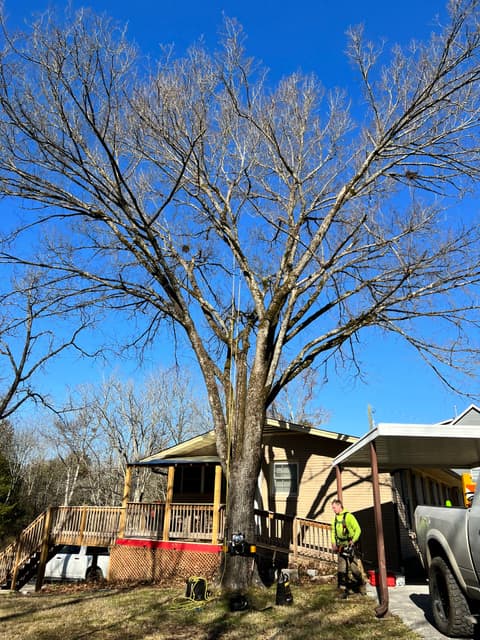
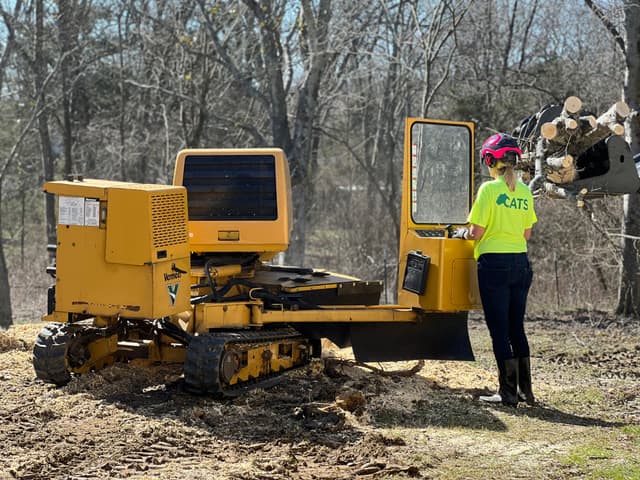
We found the company to be very efficient, listened carefully to our requests and suggestions. It was a pleasure to work with th...
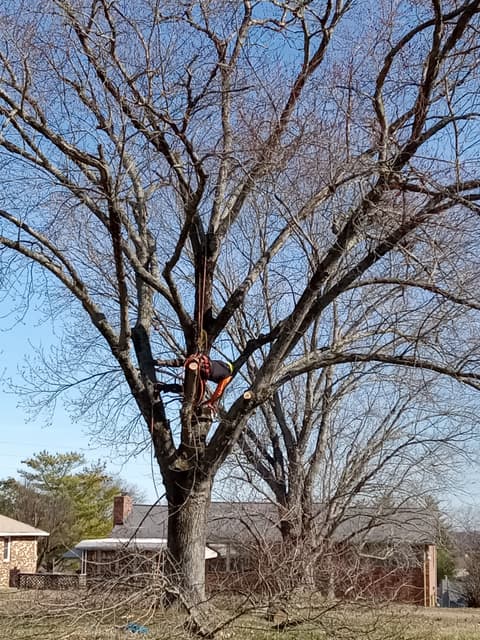
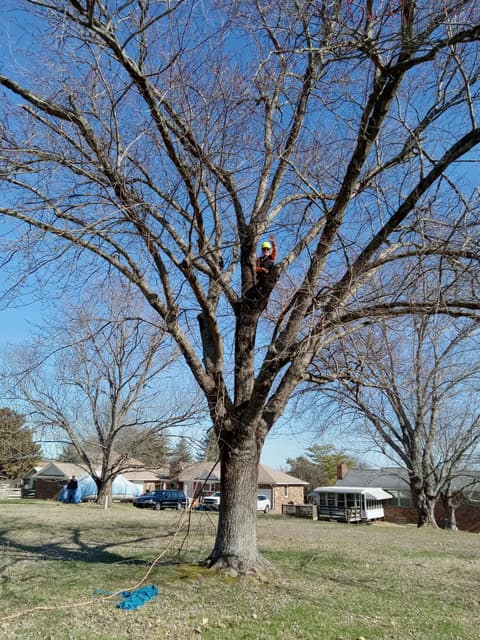
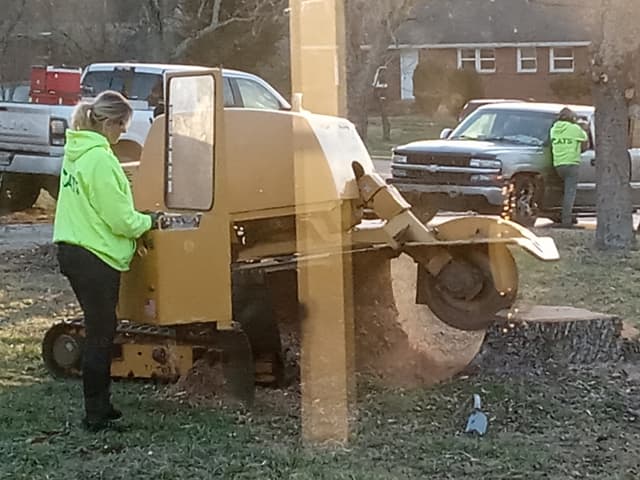
CATS and the Treemasters crew were awesome. They were so careful taking down a large hackberry and trimming another hanging right...
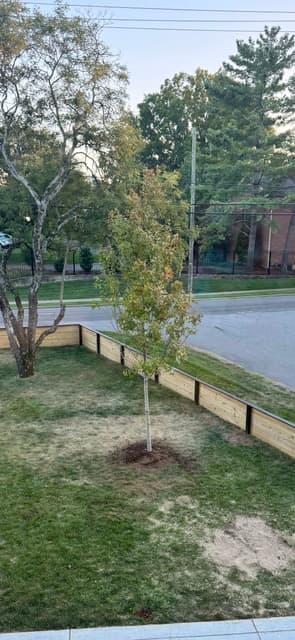
Highly recommend. We unfortunately had a large tree branch break and hanging over our house about to fall and cause some serious d...
Michael, Antonio and his crew did a fantastic job trimming the trees in the butterfly sanctuary that is our yard in Hendersonville...
Found Joe through a neighbor of ours, so happy we did. He lives and works in East Nashville- super personable and professional. Wo...