
JB
★★★★★
March 11th, a brief but strong storm came through Goodlettsville and blew over two giant trees in my front yard; one which was being supported by a 3rd tree that was facing and threatening my house. It was an…
Julie Bangs●3 days ago
Tucson trees carry a different risk load than trees in wetter climates: caliche hardpan below, monsoon microbursts and haboobs above, and a palo verde or mesquite canopy that was never built for lawn watering. We read that load correctly and act on it, day or night.

The Certified Arborist Tree Service brings expert arborists, consistent standards, and the insurance that matters to your property across Tucson and Pima County, whether it is a single removal or a monsoon cleanup after a storm.
This is arid desert ground with extreme summer heat and mild winters, sitting on alkaline caliche hardpan with almost no organic matter. Native trees like palo verde and mesquite evolved for exactly that starvation diet. Ficus, southern live oak, and other imports did not, and they show it in root problems, canker, and sudden limb drop the moment someone waters them like a lawn.
Knowing which species tolerate that ground and which ones are quietly failing on it, and knowing how a monsoon microburst turns an overwatered canopy into a falling one, is what keeps a Tucson tree standing instead of landing on a roof.
These are a few of the problems we check on a Tucson site visit.
This large beetle's grub feeds inside palo verde and mesquite roots for years before anyone notices, and the first visible sign is often a tree that leans or drops after ordinary wind. We check root crowns and soil mounding on a site visit.
Desert mistletoe spreads readily through mesquite and palo verde canopies here, sapping vigor and creating brittle, over-weighted limbs. Left alone for a few seasons it can take over a mature canopy.
A fungus that moves fast on heat stressed and sun scalded trees, especially after summer pruning cuts sit open in extreme heat. It kills bark and cambium in patches, and infected wood needs to come out before it spreads further.
This soil borne fungus thrives in alkaline caliche ground and kills trees from the roots up with little warning above the surface. Ficus and other nonnative species planted on this soil are especially exposed.
Serving Tucson and the surrounding Pima County communities.
Tell us what is going on with your trees. An arborist serving Tucson calls you back, walks the property, and puts the price in writing before anything is scheduled.
Prefer to talk? (844) 835-8733Real reviews from real customers, straight from our Google Business Profile. Here's what people say once the crew has packed up and the yard is clean.
March 11th, a brief but strong storm came through Goodlettsville and blew over two giant trees in my front yard; one which was being supported by a 3rd tree that was facing and threatening my house. It was an…
From the time I inquired w this company about removing a tree that was strongly impacted from the major strong 80 mph winds on March 3, 2023, they provided us w exceptional service in every way . They were…
My family had a tree removal emergency! A large tree in our back yard was on fire and splitting down the middle. The fire department came out the night before to extinguish the fire, but when I woke up the…
Whether a tree is damaged, dead, or a safety hazard, our crews handle removal safely and efficiently, with minimal disruption to your property.
Learn more →Keep your trees safe, structured, and looking right. We remove dead or overgrown branches, improve clearance, and reduce storm risk.
Learn more →When storms cause tree damage, our emergency team responds quickly to remove hazards, clear debris, and restore safety.
Learn more →Strategic pruning, cabling, and bracing to reduce storm damage risks before severe weather hits.
Learn more →Identifying potential hazards before they become problems. Tree stability, structural integrity, and surrounding risks evaluated on-site.
Learn more →Get expert arborist guidance without a site visit. Share photos or video of your trees and receive a written assessment and estimate within 24 hours.
Learn more →Simplify tree care across multiple properties with a single, trusted provider. Consistent maintenance and emergency response.
Learn more →One point of contact for the whole community: scheduled rounds, reports a board can read, and uniform standards across every lot.
Learn more →ROW maintenance, public works contracts, and storm response for city forestry teams. We handle permits and traffic plans.
Learn more →Corporate campuses, hospital systems, and headquarters landscapes. Quarterly walks, annual risk reports, and paperwork your facilities team can keep on file.
Learn more →Fast dispatch to any property in our service area, with the insurance that matters and safety plans your operations team can review.
Learn more →A geotagged inventory of every tree on the property: species, age, condition, and recommended work, refreshed annually.
Learn more →Local soil, local weather, local pests. Each species here fails in its own way, and we plan around all of them.
An iconic Tucson tree and a common host for root borer, whose grubs feed on the roots unseen, so a healthy looking palo verde can still be a falling hazard.
Tough and drought adapted, but heavy mistletoe infestation and overwatering both push mesquite toward the sudden branch failure this region is known for.
Naturally well suited to Tucson's arid ground, though shallow irrigation and compacted caliche soil can still stunt root development and shorten its life in yards.
A common irrigated shade tree in Tucson, but where roots hit alkaline caliche hardpan the stress can show up as canker and dieback before the tree looks obviously sick.
Planted for shade in some yards but frost tender and poorly matched to this soil and climate, prone to root rot and canker whenever irrigation or pruning timing is off.
Handsome and drought tolerant once established, but pests and improper frond removal both create real risk that a homeowner rarely sees from the ground.
Caliche hardpan and monsoon wind make Tucson a demanding place to own a mature tree. A crew with a chainsaw treats the palo verde that already fell; an arborist reads the one that is hollow from root borer damage and about to.
Estimates are walked by an experienced arborist who knows the difference between a mesquite carrying too much mistletoe and one that is simply drought dormant. Cuts follow ANSI A300 standards, risk assessments follow TRAQ methodology, and you get a written plan before work begins.
Marana, Oro Valley, Sahuarita, Green Valley, and South Tucson each carry their own version of this same desert equation, with different mixes of native mesquite stands, irrigated ficus and oak plantings, and exposure to monsoon wind.
We plan around the species, soil, and storm exposure specific to each community in our coverage area, not a generic Tucson writeup with the city name swapped in.
Don't see your question? Call us. Calls are answered by a real person, day or night.
Free estimate. Twenty-four-hour response. No contracts. No commitments.
Or call (844) 835-8733, answered 24/7 by a human.
Enjoyed our service? Share your experience.
March 11th, a brief but strong storm came through Goodlettsville and blew over two giant trees in my front yard; one which was bei...
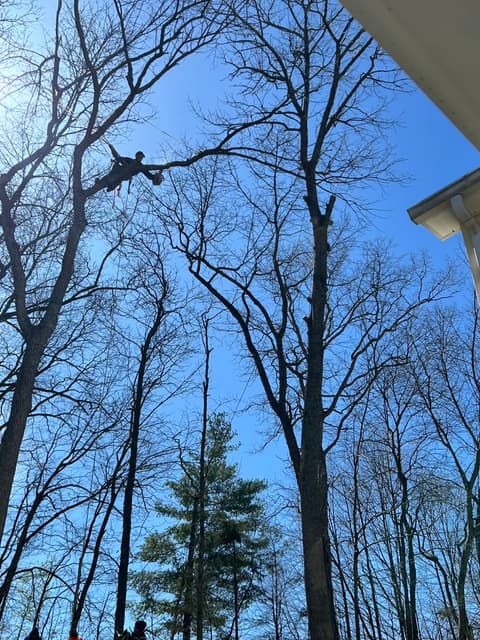
From the time I inquired w this company about removing a tree that was strongly impacted from the major strong 80 mph winds on Mar...
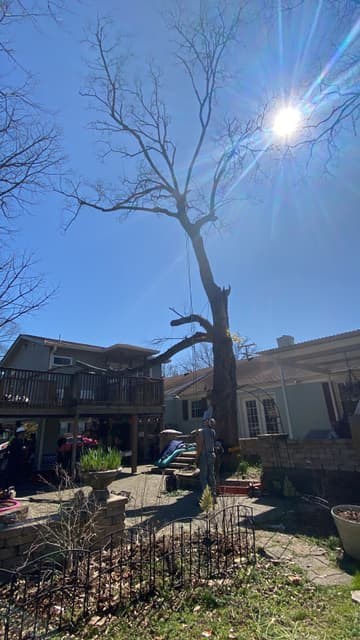
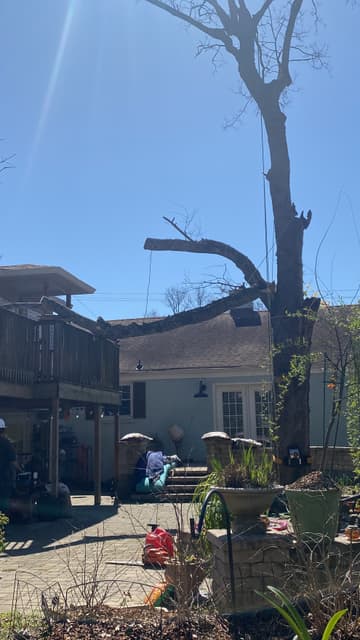
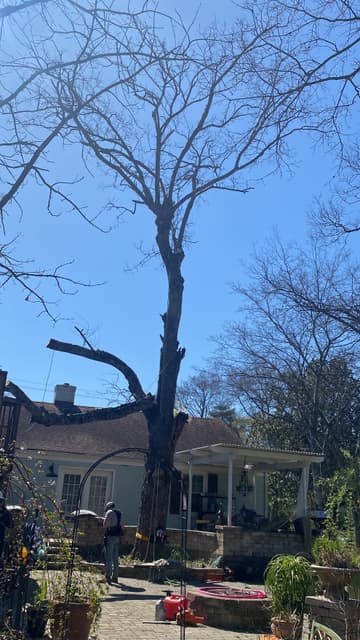
My family had a tree removal emergency! A large tree in our back yard was on fire and splitting down the middle. The fire departme...
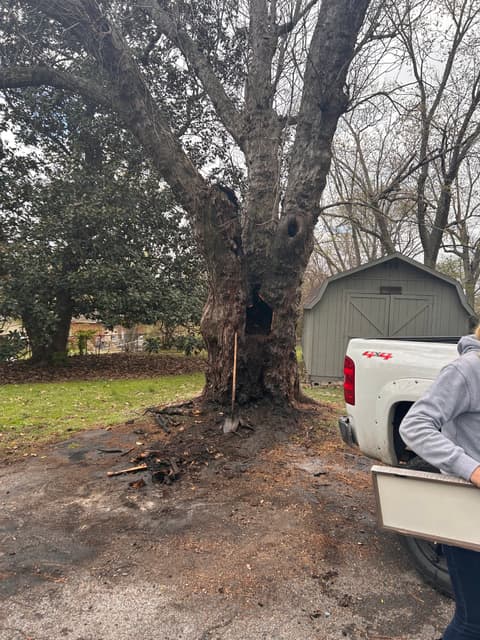
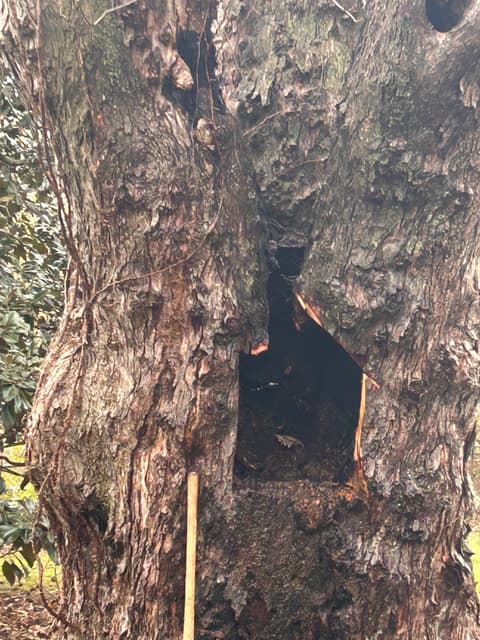
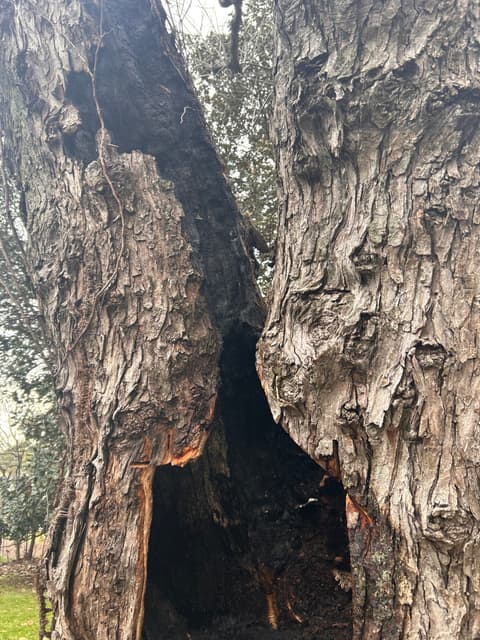
Great service, communication and fair pricing. Would recommend for any job big or small this company is the real deal! Thanks CATS...
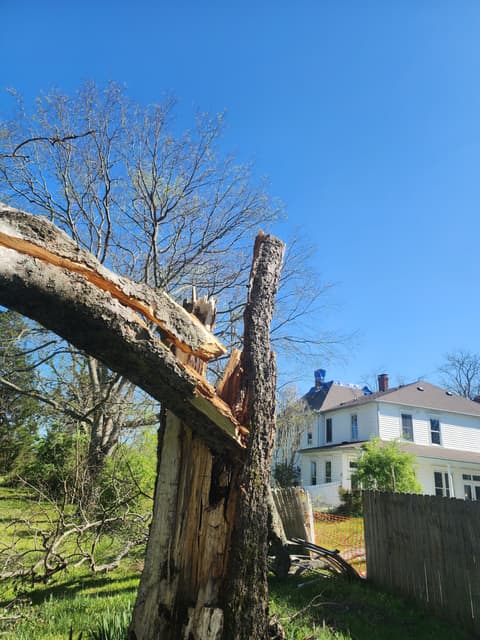
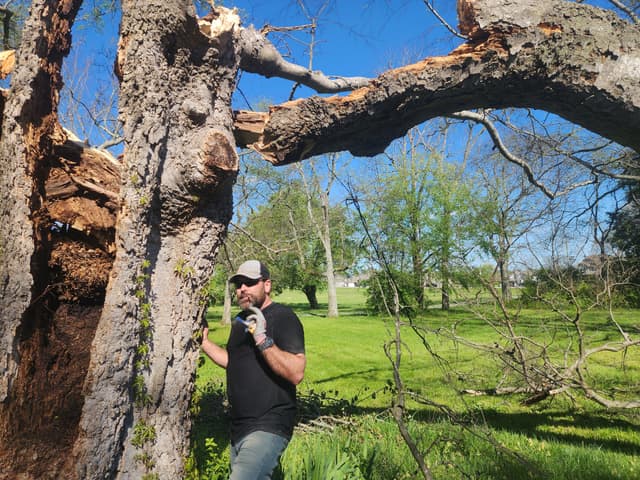
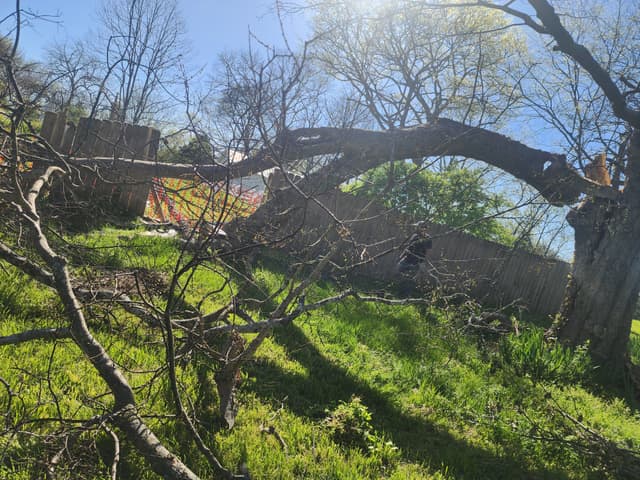
The day before Easter we discovered our largest tree had rotted and split more than halfway through. It had become very dangerous...
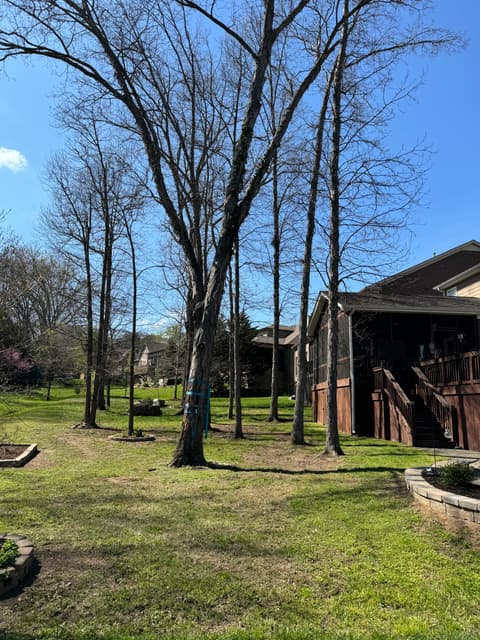
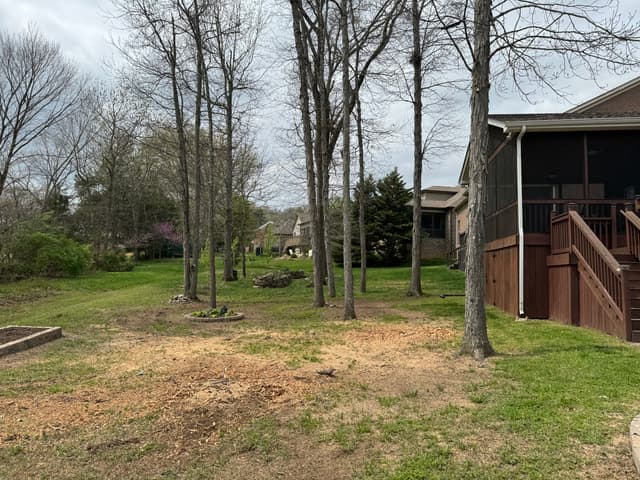
I highly recommend this company. Sales guy was awesome. He stepped me through the entire process. Gave me a great quote that I cou...
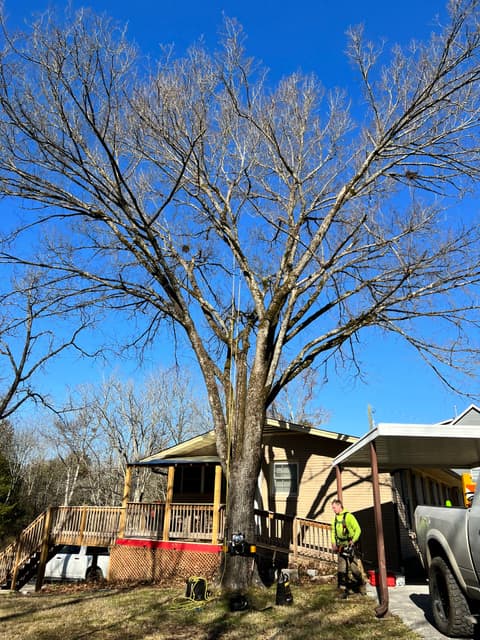
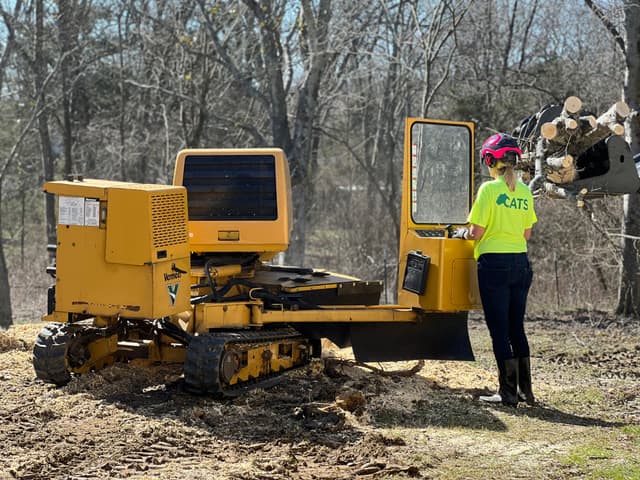
We found the company to be very efficient, listened carefully to our requests and suggestions. It was a pleasure to work with th...
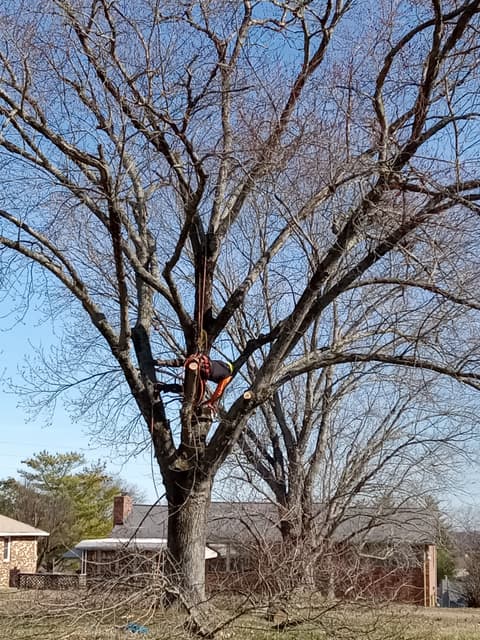
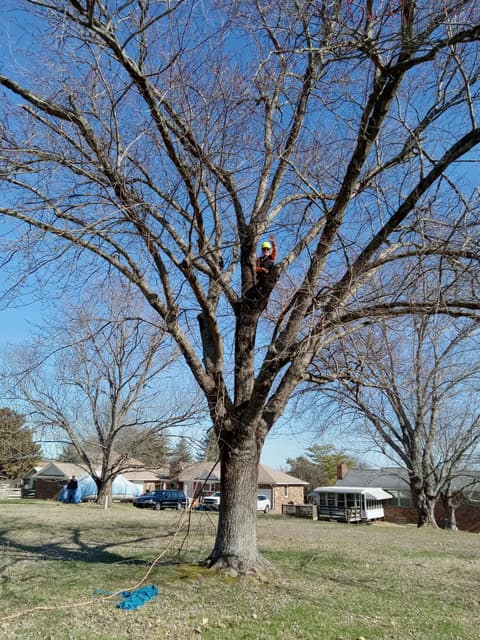
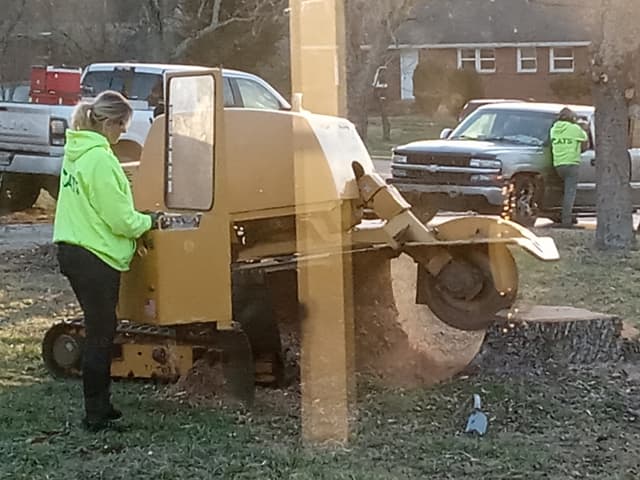
CATS and the Treemasters crew were awesome. They were so careful taking down a large hackberry and trimming another hanging right...
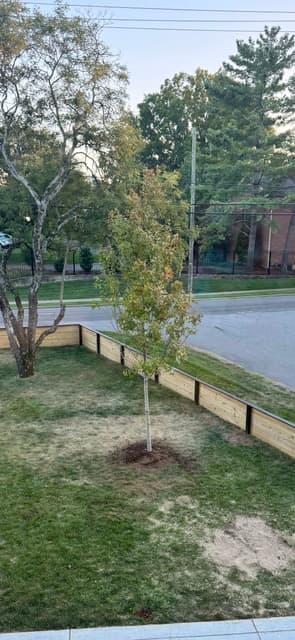
Highly recommend. We unfortunately had a large tree branch break and hanging over our house about to fall and cause some serious d...
Michael, Antonio and his crew did a fantastic job trimming the trees in the butterfly sanctuary that is our yard in Hendersonville...
Found Joe through a neighbor of ours, so happy we did. He lives and works in East Nashville- super personable and professional. Wo...