
Tree Services
Tree Removal
Whether a tree is damaged, dead, or a safety hazard, our crews handle removal safely and efficiently, with minimal disruption to your property.
Learn more →Local, expert tree care for Greenbelt's wooded lots along the edge of Greenbelt Park, from removals and structural pruning to 24/7 storm response, backed by written estimates and the insurance that matters.

Greenbelt's older, planned neighborhoods sit right against forested parkland, which means more mature canopy pressing close to homes than in most Prince George's County suburbs.
Our Washington service area covers Greenbelt directly, bringing the same expert arborists, the same documentation, and the same around the clock line.
Whether a tree is damaged, dead, or a safety hazard, our crews handle removal safely and efficiently, with minimal disruption to your property.
Learn more →Keep your trees safe, structured, and looking right. We remove dead or overgrown branches, improve clearance, and reduce storm risk.
Learn more →When storms cause tree damage, our emergency team responds quickly to remove hazards, clear debris, and restore safety.
Learn more →Strategic pruning, cabling, and bracing to reduce storm damage risks before severe weather hits.
Learn more →Identifying potential hazards before they become problems. Tree stability, structural integrity, and surrounding risks evaluated on-site.
Learn more →Get expert arborist guidance without a site visit. Share photos or video of your trees and receive a written assessment and estimate within 24 hours.
Learn more →Simplify tree care across multiple properties with a single, trusted provider. Consistent maintenance and emergency response.
Learn more →One point of contact for the whole community: scheduled rounds, reports a board can read, and uniform standards across every lot.
Learn more →ROW maintenance, public works contracts, and storm response for city forestry teams. We handle permits and traffic plans.
Learn more →Corporate campuses, hospital systems, and headquarters landscapes. Quarterly walks, annual risk reports, and paperwork your facilities team can keep on file.
Learn more →Fast dispatch to any property in our service area, with the insurance that matters and safety plans your operations team can review.
Learn more →A geotagged inventory of every tree on the property: species, age, condition, and recommended work, refreshed annually.
Learn more →Real reviews from real customers, straight from our Google Business Profile. Here's what people say once the crew has packed up and the yard is clean.
March 11th, a brief but strong storm came through Goodlettsville and blew over two giant trees in my front yard; one which was being supported by a 3rd tree that was facing and threatening my house. It was an…
From the time I inquired w this company about removing a tree that was strongly impacted from the major strong 80 mph winds on March 3, 2023, they provided us w exceptional service in every way . They were…
My family had a tree removal emergency! A large tree in our back yard was on fire and splitting down the middle. The fire department came out the night before to extinguish the fire, but when I woke up the…
Greenbelt is unusual in Prince George’s County for how closely its historic co-op neighborhoods sit against the forest of Greenbelt Park. That proximity is part of the town’s appeal, but a forest edge tree behaves differently than one grown up alone in an open yard. Inside the woods, trees grow tall and thin competing for light, sheltered by neighbors on every side. Once a nearby tree falls, or a lot at the park boundary gets cleared, the trees left standing are suddenly exposed to wind loads their form was never built for. Reading which trees on a Greenbelt property are still sheltered and which have quietly become edge trees is a judgment call, not a checklist item.
We factor that forest edge exposure into a risk assessment, following TRAQ methodology, with documentation prepared for HOAs, insurers, and legal counsel. The insurance that matters comes with us.
Around Greenbelt’s tree-lined co-ops and park-adjacent lots, the species mix leans on London plane, red maple, and mature oak closer to the park boundary, with dogwood common in the shadier understory nearer the woods. Forest edge windthrow is the challenge that sets Greenbelt apart. Trees that grew up sheltered inside forest cover lose that shelter fast when development or storm damage opens a gap, and it’s often the newly exposed tree, not the obviously weak one, that goes down in the next nor’easter. Dogwood anthracnose also shows up in the shaded understory dogwoods common near the tree line, and spotted lanternfly adds pressure on maples throughout the neighborhood. An expert arborist here checks a tree’s history of shelter, not just its current health, before recommending anything.
Greenbelt is in the Washington service area. Calls route through national intake until local coverage is verified.
Click an area to learn more about it.
Don't see your question? Call us. Calls are answered by a real person, day or night.
Free estimate. Twenty-four-hour response. No contracts. No commitments.
Or call (844) 835-8733, answered 24/7 by a human.
Enjoyed our service? Share your experience.
March 11th, a brief but strong storm came through Goodlettsville and blew over two giant trees in my front yard; one which was bei...
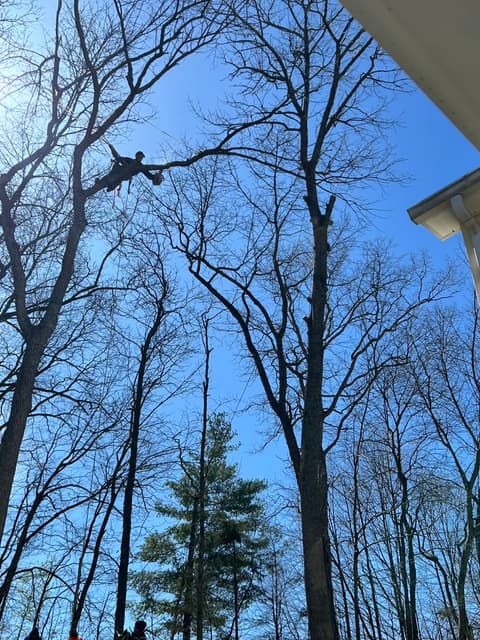
From the time I inquired w this company about removing a tree that was strongly impacted from the major strong 80 mph winds on Mar...
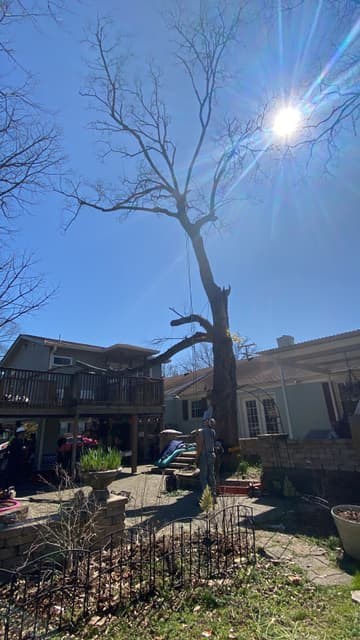
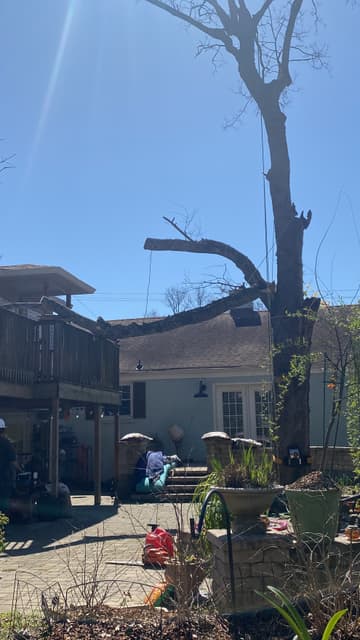
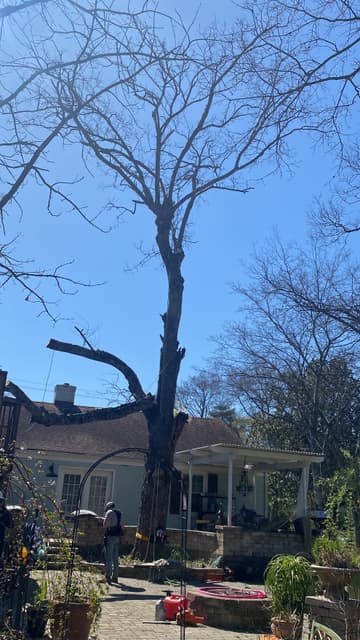
My family had a tree removal emergency! A large tree in our back yard was on fire and splitting down the middle. The fire departme...
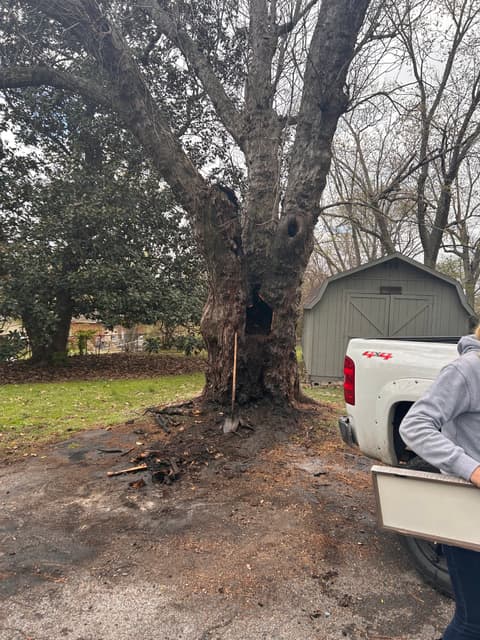
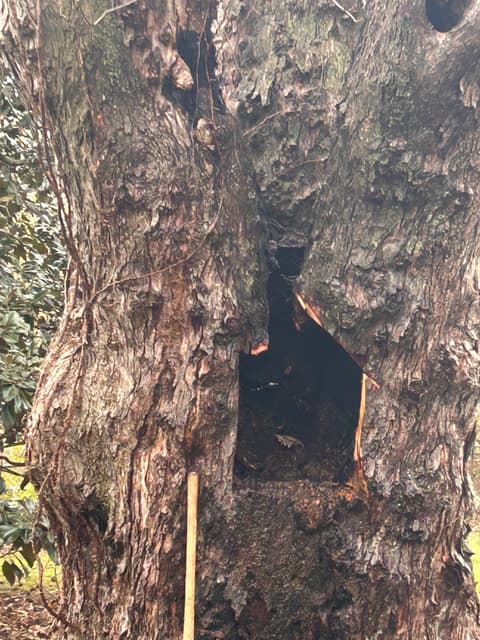
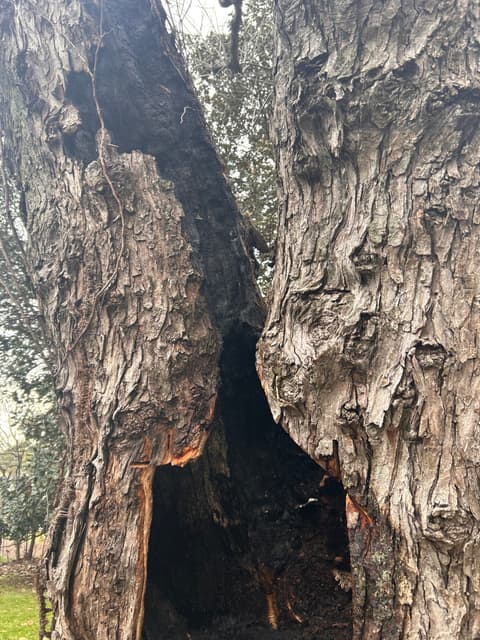
Great service, communication and fair pricing. Would recommend for any job big or small this company is the real deal! Thanks CATS...
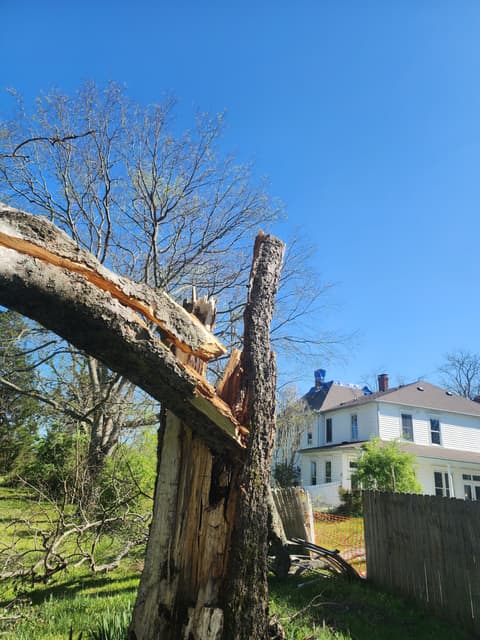
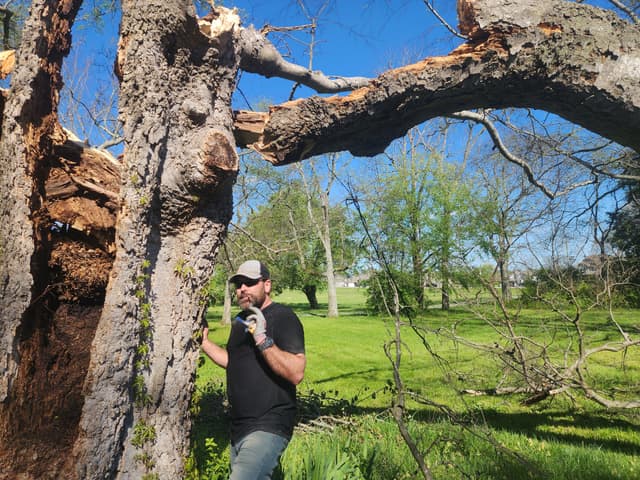
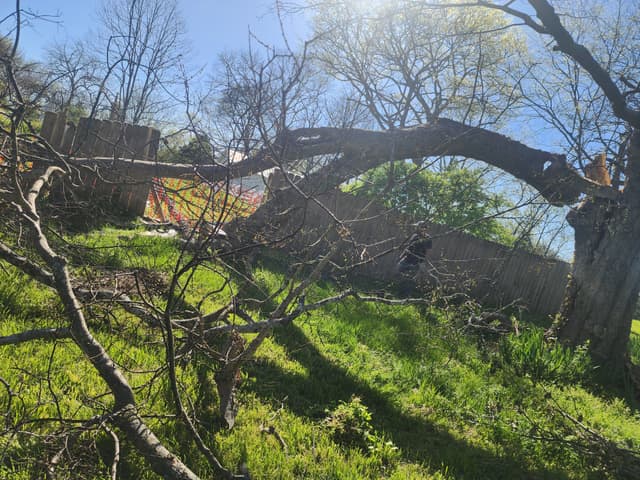
The day before Easter we discovered our largest tree had rotted and split more than halfway through. It had become very dangerous...
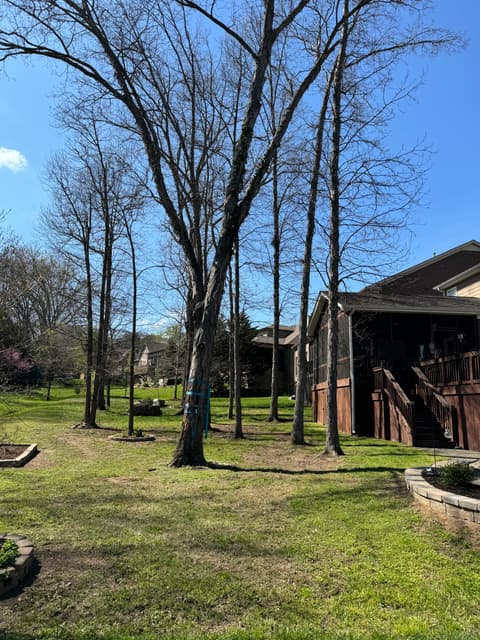
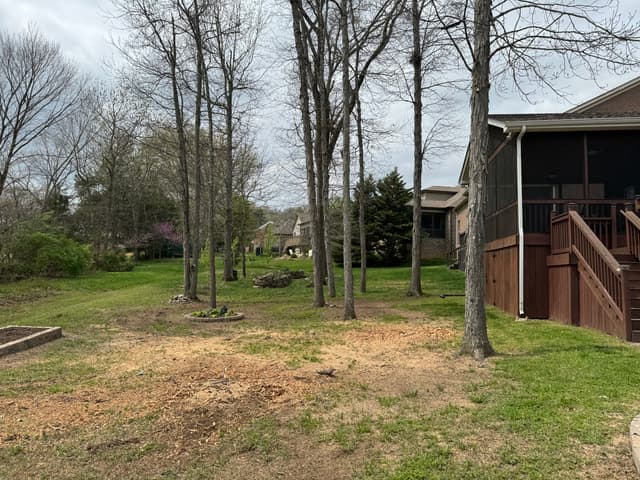
I highly recommend this company. Sales guy was awesome. He stepped me through the entire process. Gave me a great quote that I cou...
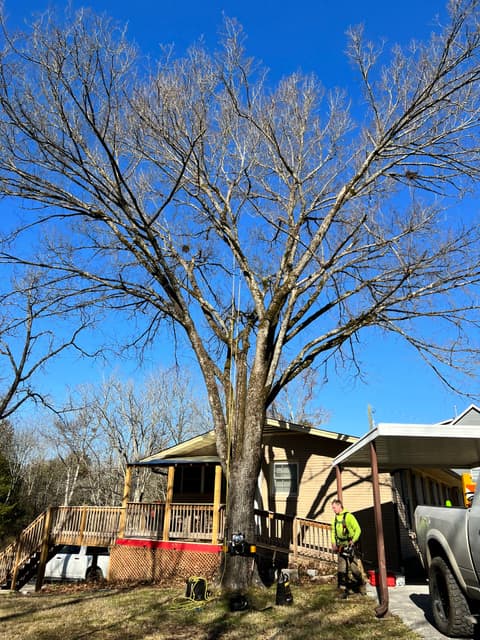
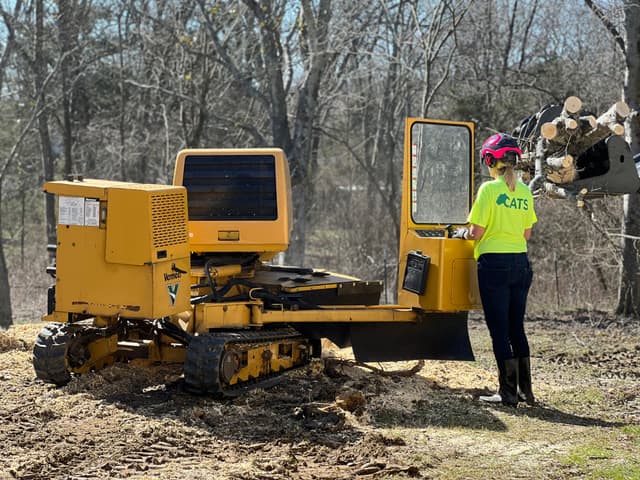
We found the company to be very efficient, listened carefully to our requests and suggestions. It was a pleasure to work with th...
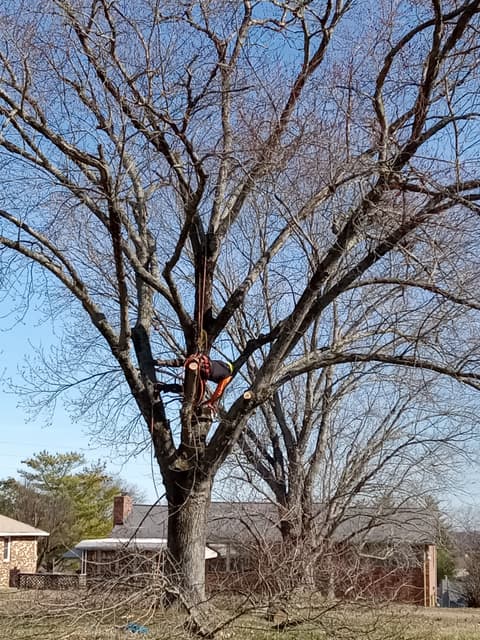
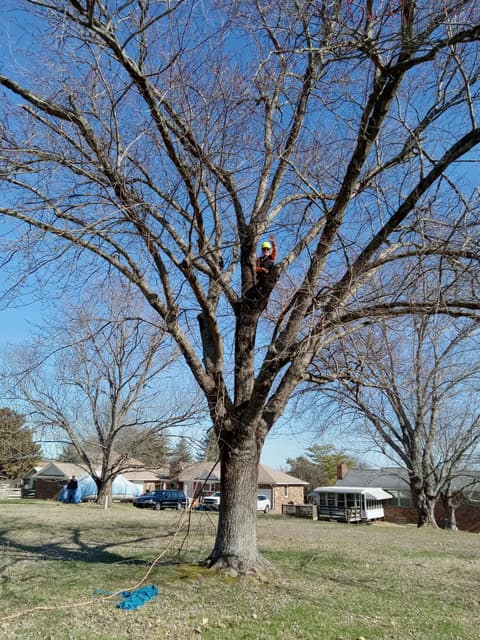
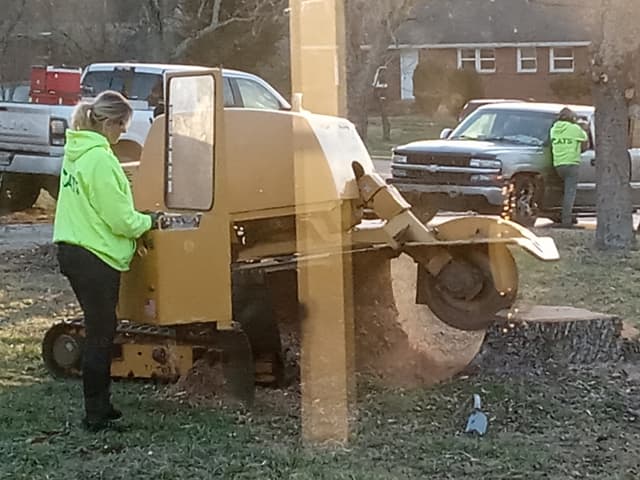
CATS and the Treemasters crew were awesome. They were so careful taking down a large hackberry and trimming another hanging right...
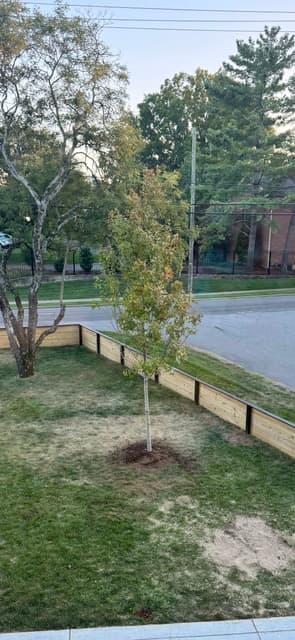
Highly recommend. We unfortunately had a large tree branch break and hanging over our house about to fall and cause some serious d...
Michael, Antonio and his crew did a fantastic job trimming the trees in the butterfly sanctuary that is our yard in Hendersonville...
Found Joe through a neighbor of ours, so happy we did. He lives and works in East Nashville- super personable and professional. Wo...