
JB
★★★★★
March 11th, a brief but strong storm came through Goodlettsville and blew over two giant trees in my front yard; one which was being supported by a 3rd tree that was facing and threatening my house. It was an…
Julie Bangs●3 days ago
Gastonia trees face slow draining Piedmont ground, summer storms, and the occasional ice storm, which is why tall pines and mature oaks can go over in a hard blow. Removal, pruning, and storm response are available around the clock, with an arborist reading the site before a saw ever starts.

The Certified Arborist Tree Service serves Gastonia and greater Gaston County with expert arborists, consistent standards, and the insurance that matters, from a single pine removal to a full storm cleanup.
This is humid subtropical country: long hot summers and mild winters, with red clay typical of the Piedmont that drains slowly and compacts hard under development. Roots can stay shallow and stressed in that kind of ground, and that shapes which trees fail and when.
Knowing that a loblolly stand on saturated clay carries different risk than the same stand on dry ground, and timing work around summer thunderstorms, remnant hurricane bands, and the occasional ice storm, is what keeps a Gastonia tree a managed asset instead of a claim.
Four regional problems come up in tree failures around Gastonia.
Loblolly pines under drought stress are worth watching for beetle attention. Pitch tubes and frass on the bark are the early signs to check before a stand turns into a hazard.
Willow oaks and water oaks stressed by root compaction can show canker on the trunk and thinning crowns years before a limb actually drops.
Leyland cypress planted as a screen can show browning branches and bark cankers, and crowded, stressed hedges are worth a look before dead limbs come down.
The occasional Piedmont ice storm loads brittle limbs on Bradford pear and overextended crape myrtle fast, and pruning ahead of winter cuts that risk down.
Serving Gastonia, Gaston County, and nearby Lincolnton.
Tell us what is going on with your trees. An arborist serving Gastonia calls you back, walks the property, and puts the price in writing before anything is scheduled.
Prefer to talk? (844) 835-8733Real reviews from real customers, straight from our Google Business Profile. Here's what people say once the crew has packed up and the yard is clean.
March 11th, a brief but strong storm came through Goodlettsville and blew over two giant trees in my front yard; one which was being supported by a 3rd tree that was facing and threatening my house. It was an…
From the time I inquired w this company about removing a tree that was strongly impacted from the major strong 80 mph winds on March 3, 2023, they provided us w exceptional service in every way . They were…
My family had a tree removal emergency! A large tree in our back yard was on fire and splitting down the middle. The fire department came out the night before to extinguish the fire, but when I woke up the…
Whether a tree is damaged, dead, or a safety hazard, our crews handle removal safely and efficiently, with minimal disruption to your property.
Learn more →Keep your trees safe, structured, and looking right. We remove dead or overgrown branches, improve clearance, and reduce storm risk.
Learn more →When storms cause tree damage, our emergency team responds quickly to remove hazards, clear debris, and restore safety.
Learn more →Strategic pruning, cabling, and bracing to reduce storm damage risks before severe weather hits.
Learn more →Identifying potential hazards before they become problems. Tree stability, structural integrity, and surrounding risks evaluated on-site.
Learn more →Get expert arborist guidance without a site visit. Share photos or video of your trees and receive a written assessment and estimate within 24 hours.
Learn more →Simplify tree care across multiple properties with a single, trusted provider. Consistent maintenance and emergency response.
Learn more →One point of contact for the whole community: scheduled rounds, reports a board can read, and uniform standards across every lot.
Learn more →ROW maintenance, public works contracts, and storm response for city forestry teams. We handle permits and traffic plans.
Learn more →Corporate campuses, hospital systems, and headquarters landscapes. Quarterly walks, annual risk reports, and paperwork your facilities team can keep on file.
Learn more →Fast dispatch to any property in our service area, with the insurance that matters and safety plans your operations team can review.
Learn more →A geotagged inventory of every tree on the property: species, age, condition, and recommended work, refreshed annually.
Learn more →Local soil, local weather, local pests. Each species here fails in its own way, and we plan around all of them.
A handsome street and yard tree across the region, but its fine root system can struggle in compacted clay, which is where early decline often shows up.
Popular ornamental, though over pruned or storm damaged specimens split at old cut sites more than owners expect.
Soft wood shows storm damage sooner than the oaks around it, so structure and included bark are worth checking.
Planted for privacy screening across Gaston County, and prone to canker and root rot once soil stays saturated after a wet season.
Its narrow branch angles make it one of the first trees to split apart in an ice storm.
A common Piedmont oak that hides interior decay behind a full canopy, which is exactly why we assess it rather than judge it by looks.
Red clay typical of the Piedmont drains slowly and compacts hard, and that combination can keep root systems shallower than homeowners assume. A crew with a chainsaw treats the tree that already fell; an arborist reads the one still standing that will not make it through the next storm.
Estimates are walked by an experienced arborist. Cuts follow ANSI A300, risk assessments follow TRAQ methodology, and you get a written plan before work begins.
Belmont and Mount Holly in Gaston County, and Lincolnton in neighboring Lincoln County, each share this regional mix of Piedmont clay and storm pattern.
Each community in our coverage list has a page on the regional species, soil, and storm exposure to plan around.
Don't see your question? Call us. Calls are answered by a real person, day or night.
Free estimate. Twenty-four-hour response. No contracts. No commitments.
Or call (844) 835-8733, answered 24/7 by a human.
Enjoyed our service? Share your experience.
March 11th, a brief but strong storm came through Goodlettsville and blew over two giant trees in my front yard; one which was bei...
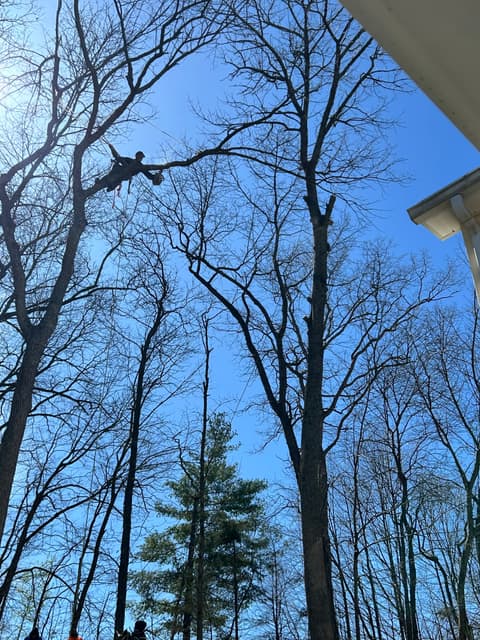
From the time I inquired w this company about removing a tree that was strongly impacted from the major strong 80 mph winds on Mar...
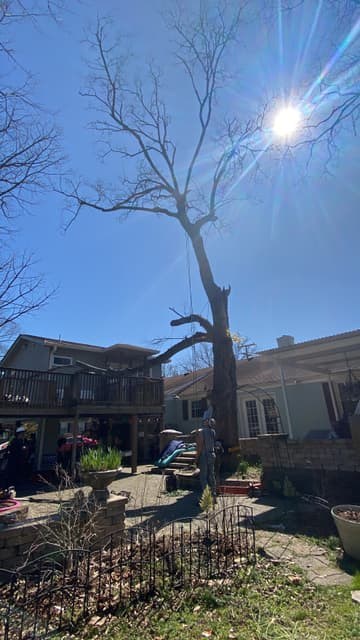
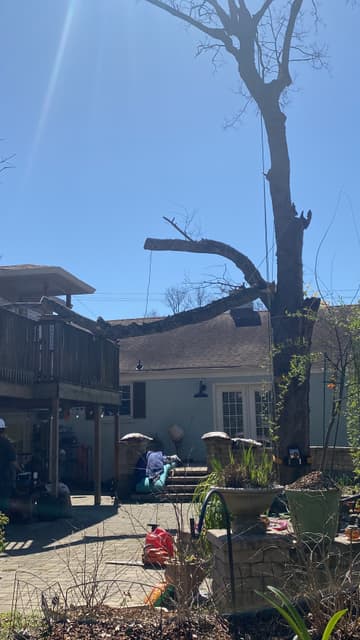
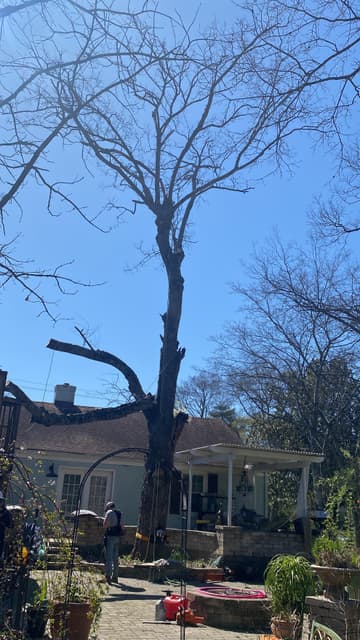
My family had a tree removal emergency! A large tree in our back yard was on fire and splitting down the middle. The fire departme...
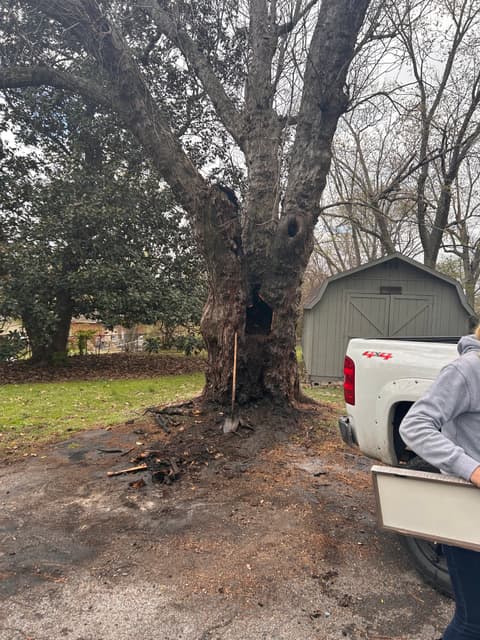
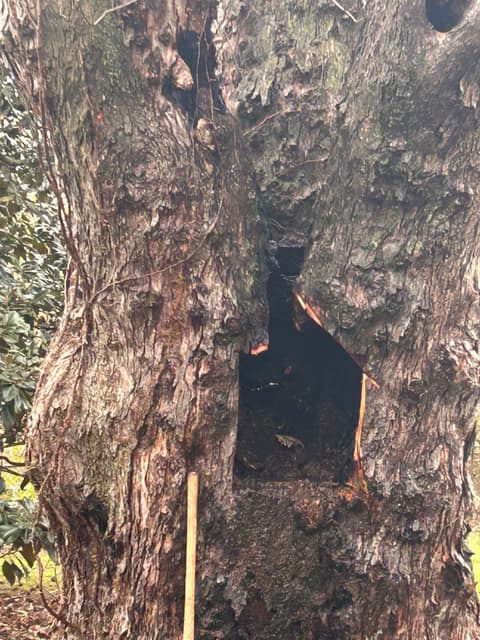
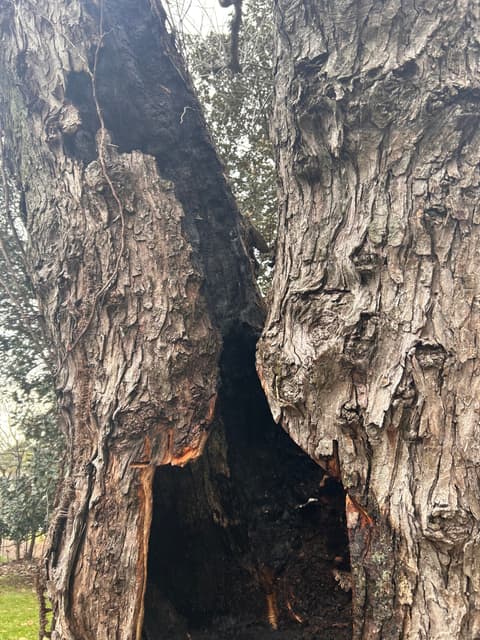
Great service, communication and fair pricing. Would recommend for any job big or small this company is the real deal! Thanks CATS...
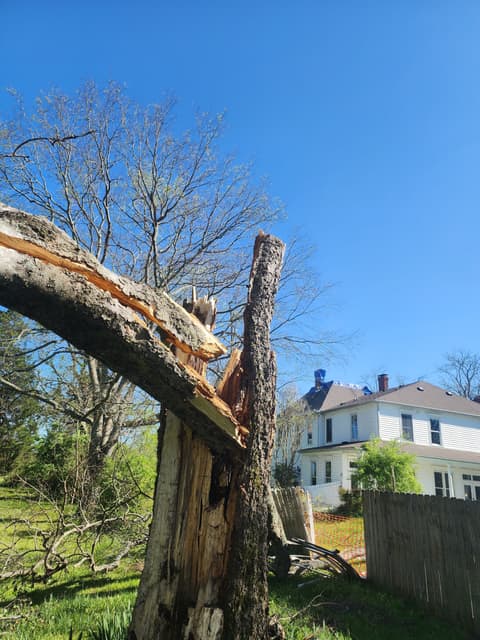
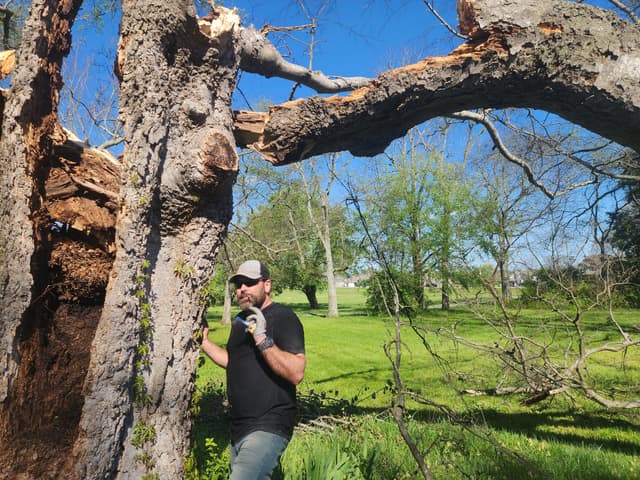
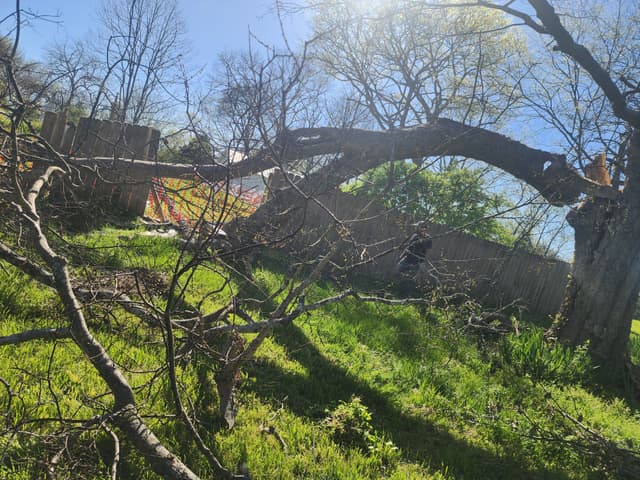
The day before Easter we discovered our largest tree had rotted and split more than halfway through. It had become very dangerous...
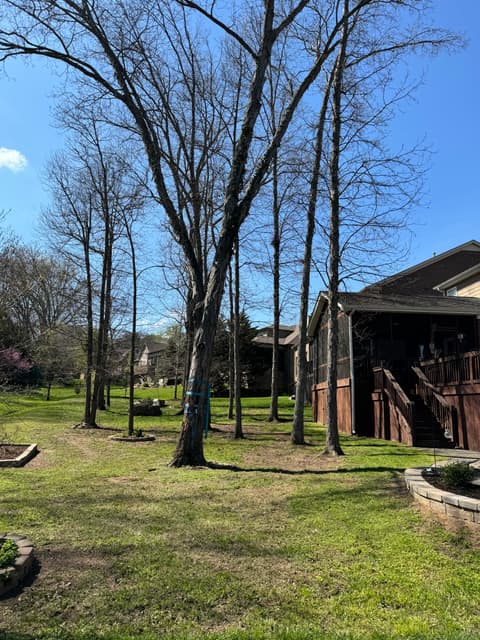
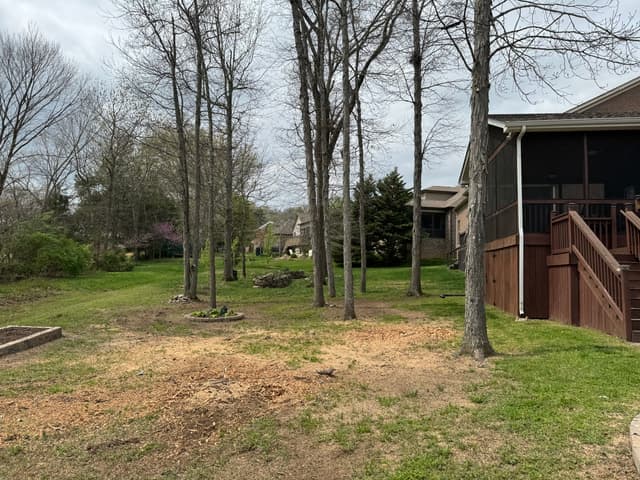
I highly recommend this company. Sales guy was awesome. He stepped me through the entire process. Gave me a great quote that I cou...
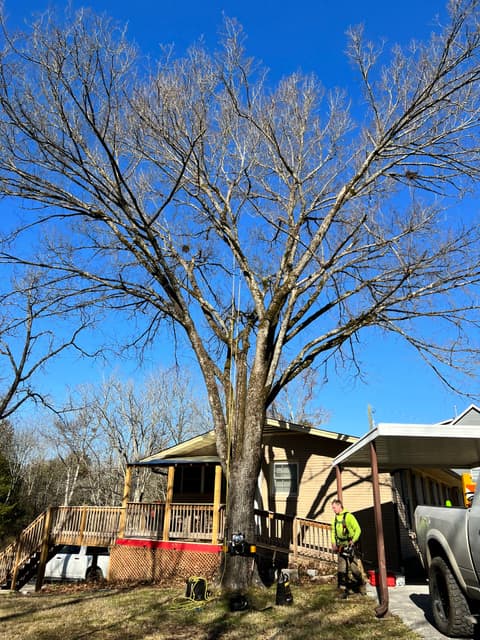
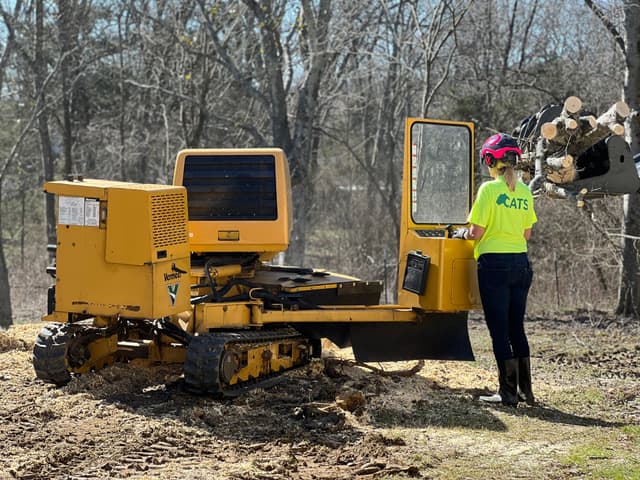
We found the company to be very efficient, listened carefully to our requests and suggestions. It was a pleasure to work with th...
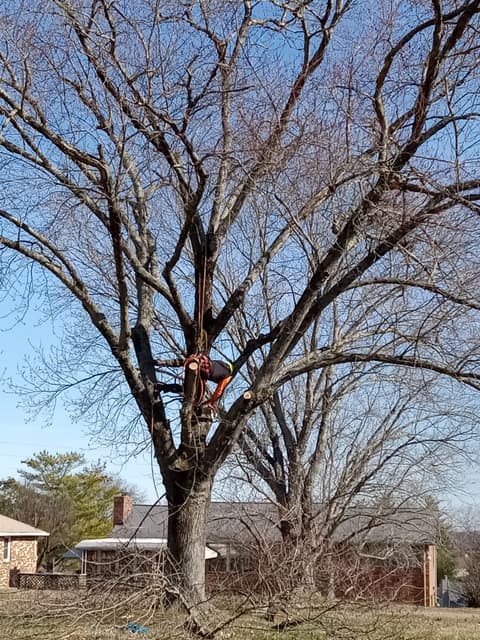
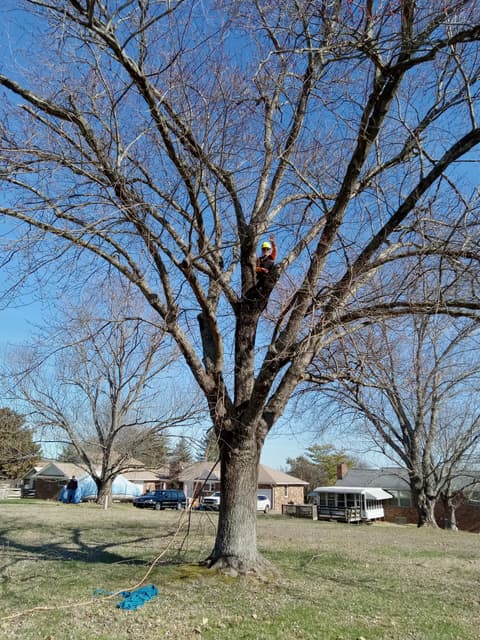
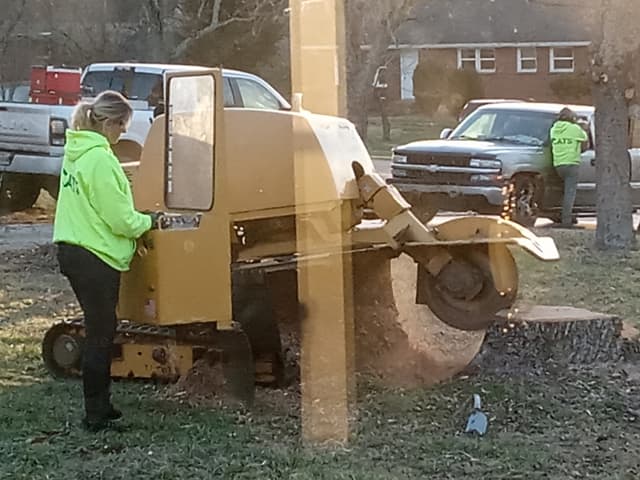
CATS and the Treemasters crew were awesome. They were so careful taking down a large hackberry and trimming another hanging right...
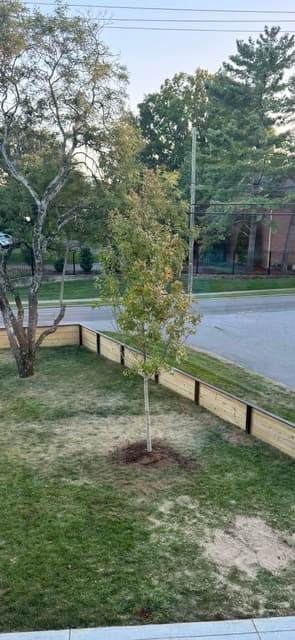
Highly recommend. We unfortunately had a large tree branch break and hanging over our house about to fall and cause some serious d...
Michael, Antonio and his crew did a fantastic job trimming the trees in the butterfly sanctuary that is our yard in Hendersonville...
Found Joe through a neighbor of ours, so happy we did. He lives and works in East Nashville- super personable and professional. Wo...