
JB
★★★★★
March 11th, a brief but strong storm came through Goodlettsville and blew over two giant trees in my front yard; one which was being supported by a 3rd tree that was facing and threatening my house. It was an…
Julie Bangs●3 days ago
Removals, pruning, and storm calls answered around the clock for Charleston and Kanawha County. Appalachian soil is often acidic and rocky, and ice loading and derecho windthrow are part of the regional storm pattern.

The Certified Arborist Tree Service serves Charleston and Kanawha County with expert arborists, consistent standards, and the insurance that matters, from a single backyard removal to a multiacre storm cleanup.
Soil across the region is often acidic and rocky. Roots in rocky ground tend to spread wide and shallow, which is the setup that lets saturated soil loosen a tree's hold in a hard rain.
Add ice storms, derechos, and hemlock decline to that soil profile and you get a risk calendar that rewards a trained eye. Knowing which species are already compromised before a storm arrives, not after, is what keeps a tree standing instead of landing on a roof or a road.
When a tree fails across the region, the cause is usually one of a few problems an arborist checks for on a site visit.
Rocky, acidic soil gives roots little to hold once heavy rain saturates the ground, and a whole root plate can tip rather than the trunk snapping.
Ice storms coat crowns fast, and brittle or overextended limbs give way under the weight long before wind gets involved.
Fast moving straight-line wind events push hard against trees already weakened at the root, and derechos are part of the regional storm pattern.
Hemlock woolly adelgid is a concern across the region, and once decline sets in an eastern hemlock is difficult to bring back.
Serving Charleston, Kanawha County, and the surrounding communities.
Click an area to learn more about it.
Tell us what is going on with your trees. An arborist serving Charleston calls you back, walks the property, and puts the price in writing before anything is scheduled.
Prefer to talk? (844) 835-8733Real reviews from real customers, straight from our Google Business Profile. Here's what people say once the crew has packed up and the yard is clean.
March 11th, a brief but strong storm came through Goodlettsville and blew over two giant trees in my front yard; one which was being supported by a 3rd tree that was facing and threatening my house. It was an…
From the time I inquired w this company about removing a tree that was strongly impacted from the major strong 80 mph winds on March 3, 2023, they provided us w exceptional service in every way . They were…
My family had a tree removal emergency! A large tree in our back yard was on fire and splitting down the middle. The fire department came out the night before to extinguish the fire, but when I woke up the…
Whether a tree is damaged, dead, or a safety hazard, our crews handle removal safely and efficiently, with minimal disruption to your property.
Learn more →Keep your trees safe, structured, and looking right. We remove dead or overgrown branches, improve clearance, and reduce storm risk.
Learn more →When storms cause tree damage, our emergency team responds quickly to remove hazards, clear debris, and restore safety.
Learn more →Strategic pruning, cabling, and bracing to reduce storm damage risks before severe weather hits.
Learn more →Identifying potential hazards before they become problems. Tree stability, structural integrity, and surrounding risks evaluated on-site.
Learn more →Get expert arborist guidance without a site visit. Share photos or video of your trees and receive a written assessment and estimate within 24 hours.
Learn more →Simplify tree care across multiple properties with a single, trusted provider. Consistent maintenance and emergency response.
Learn more →One point of contact for the whole community: scheduled rounds, reports a board can read, and uniform standards across every lot.
Learn more →ROW maintenance, public works contracts, and storm response for city forestry teams. We handle permits and traffic plans.
Learn more →Corporate campuses, hospital systems, and headquarters landscapes. Quarterly walks, annual risk reports, and paperwork your facilities team can keep on file.
Learn more →Fast dispatch to any property in our service area, with the insurance that matters and safety plans your operations team can review.
Learn more →A geotagged inventory of every tree on the property: species, age, condition, and recommended work, refreshed annually.
Learn more →Local soil, local weather, local pests. Each species here fails in its own way, and we plan around all of them.
Tolerates acidic soil well but often develops included bark at the trunk, a weak union worth checking before storm season.
A common street tree that handles compacted urban soil but is prone to canopy dieback when its roots are cramped by retaining walls or pavement.
Grows fast, but its tight branch angles split under ice load more often than most other trees.
Shallow rooting leaves sugar maple more exposed to drought stress and wind, so a root zone check matters.
Shallow roots and heavy wet snow make white pine one of the first species to lean or drop limbs after a storm.
A long lived native, though oak decline is worth monitoring on older, stressed specimens.
Soil and drainage do much of the damage before the saw ever gets involved. A tree in rocky, saturated ground does not fail the way one in deep, well drained soil does, and treating it like an ordinary removal misses the actual risk. An arborist reads the lean, the root flare, and the soil saturation together, not just the trunk.
Estimates are walked by an experienced arborist, not a sales rep. Pruning follows ANSI A300 standards, risk assessments follow TRAQ methodology, and you get a written plan before work begins.
From South Charleston and St. Albans to Dunbar, Nitro, Marmet, and Madison, each community in our coverage area has its own page covering regional species, soil, and storm exposure across Kanawha, Putnam, and Boone County.
Don't see your question? Call us. Calls are answered by a real person, day or night.
Free estimate. Twenty-four-hour response. No contracts. No commitments.
Or call (844) 835-8733, answered 24/7 by a human.
Enjoyed our service? Share your experience.
March 11th, a brief but strong storm came through Goodlettsville and blew over two giant trees in my front yard; one which was bei...
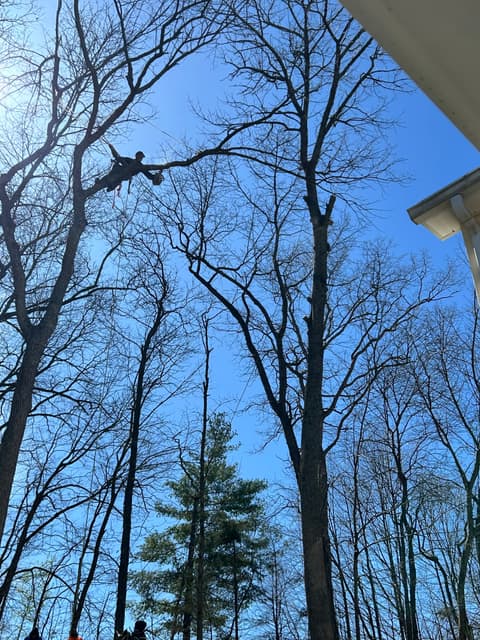
From the time I inquired w this company about removing a tree that was strongly impacted from the major strong 80 mph winds on Mar...
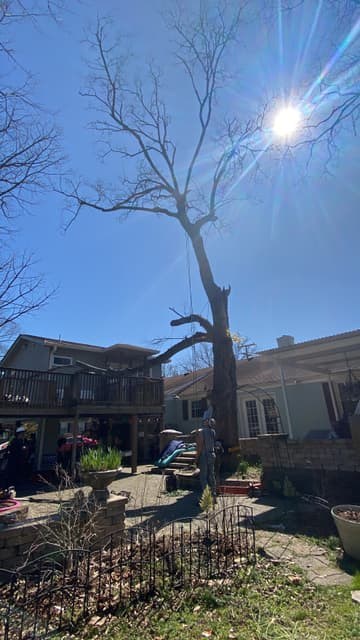
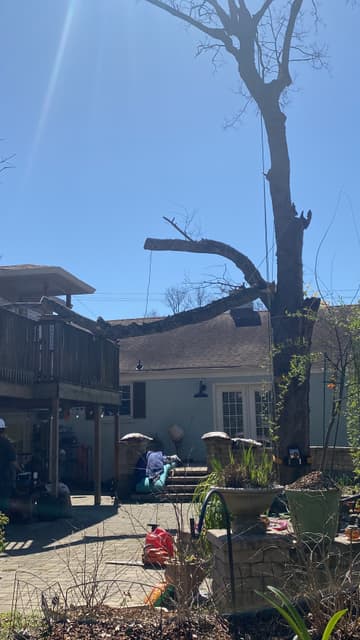
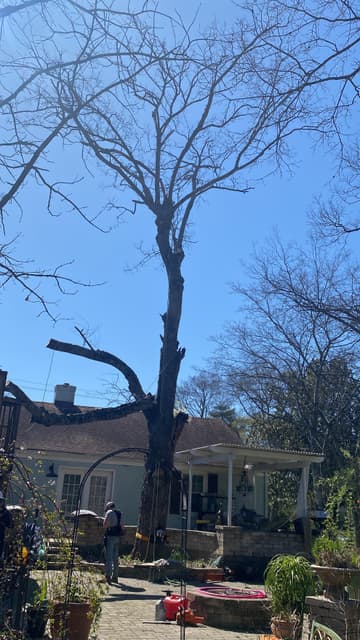
My family had a tree removal emergency! A large tree in our back yard was on fire and splitting down the middle. The fire departme...
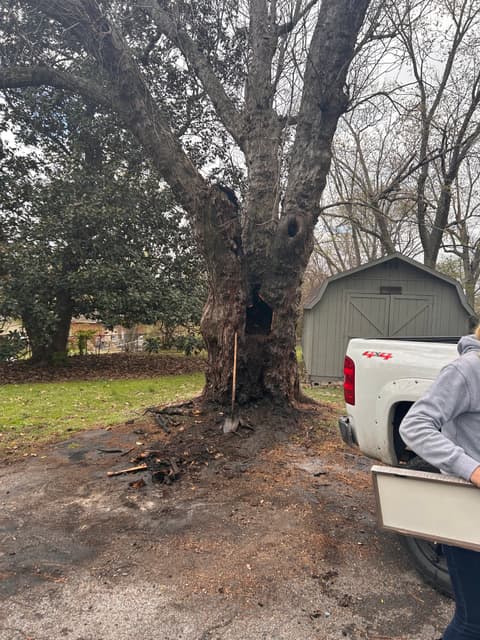
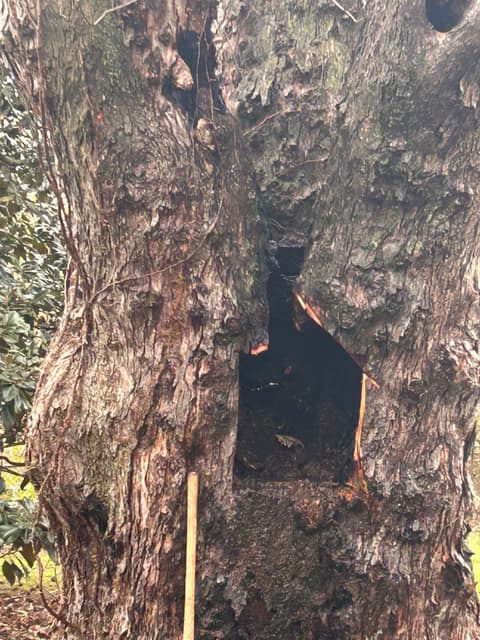
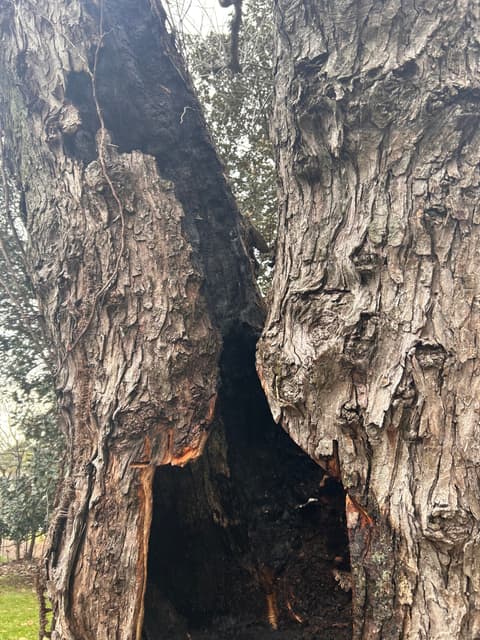
Great service, communication and fair pricing. Would recommend for any job big or small this company is the real deal! Thanks CATS...
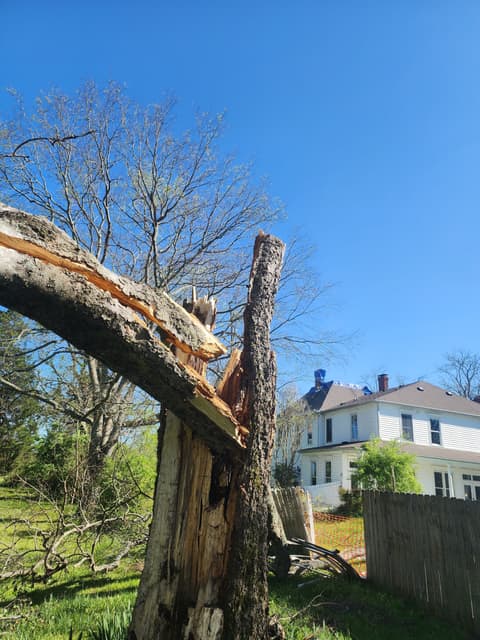
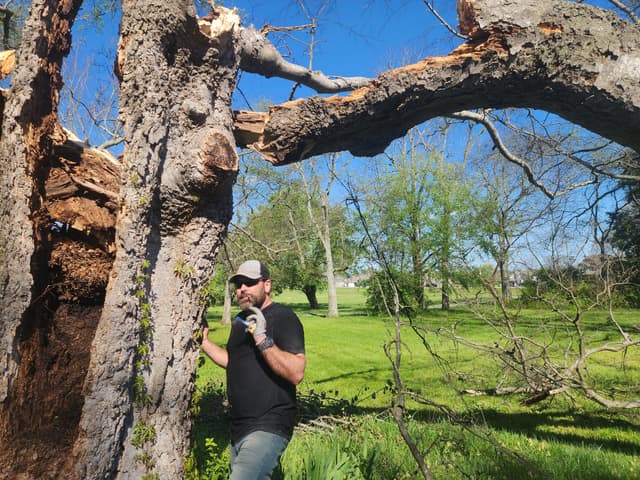
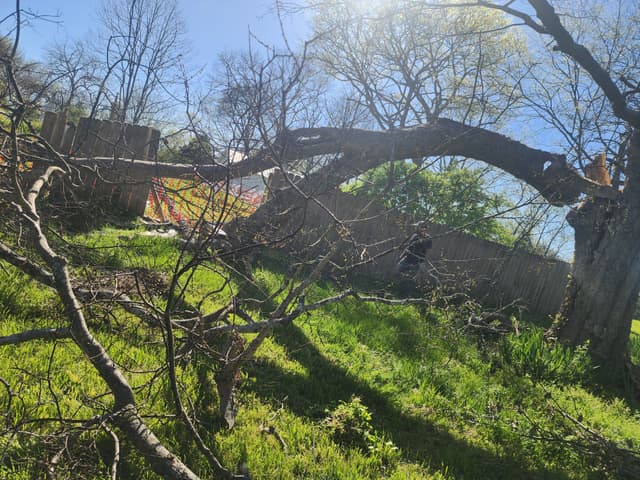
The day before Easter we discovered our largest tree had rotted and split more than halfway through. It had become very dangerous...
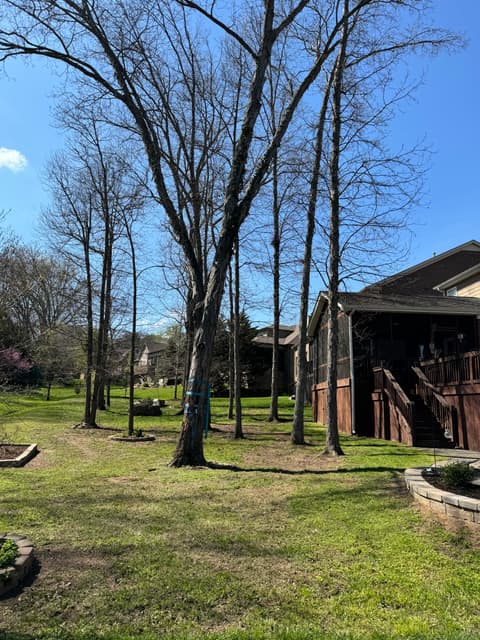
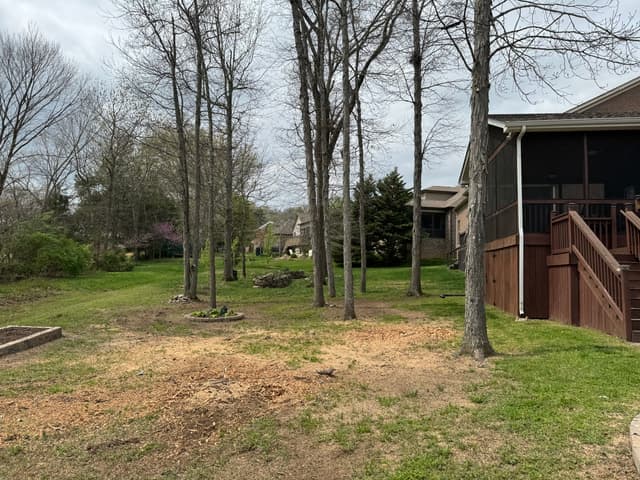
I highly recommend this company. Sales guy was awesome. He stepped me through the entire process. Gave me a great quote that I cou...
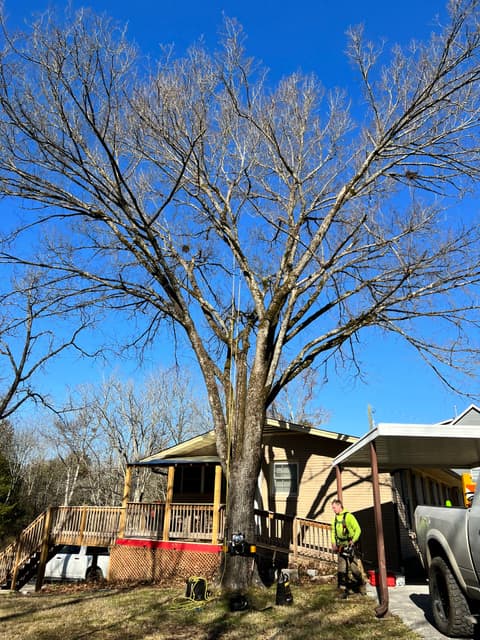
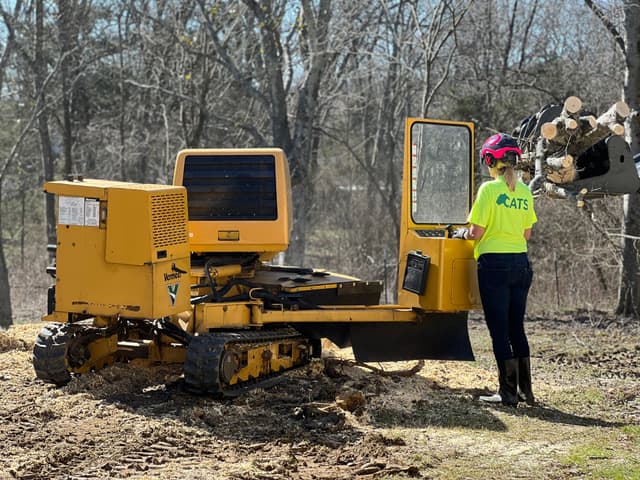
We found the company to be very efficient, listened carefully to our requests and suggestions. It was a pleasure to work with th...
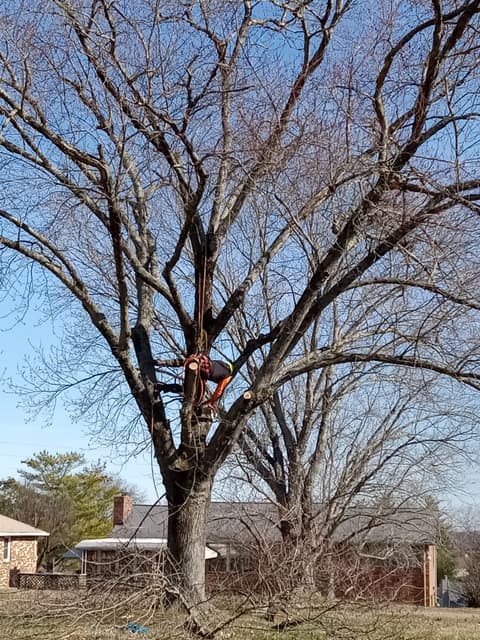
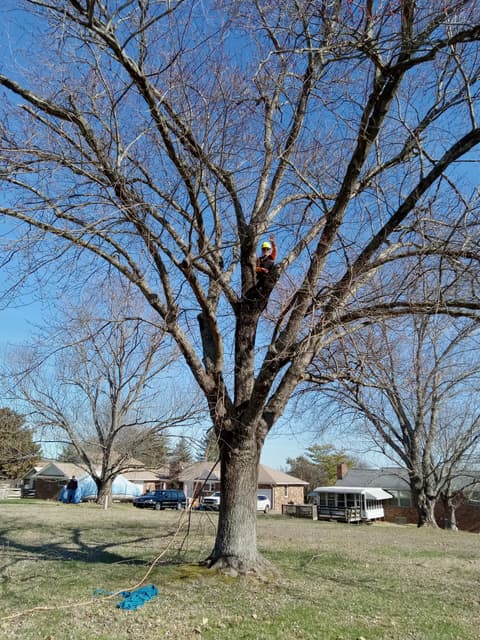
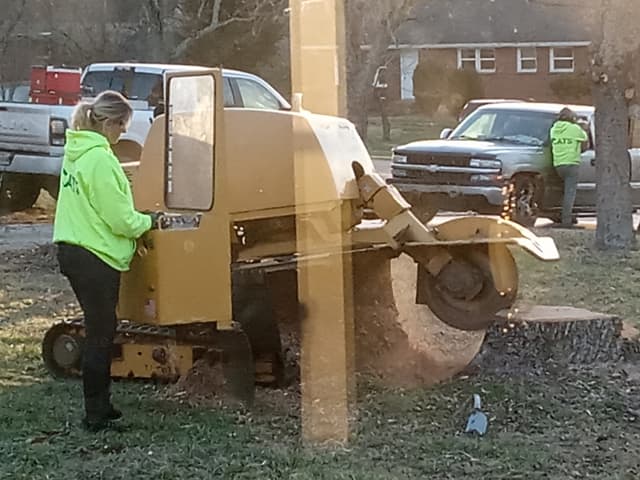
CATS and the Treemasters crew were awesome. They were so careful taking down a large hackberry and trimming another hanging right...
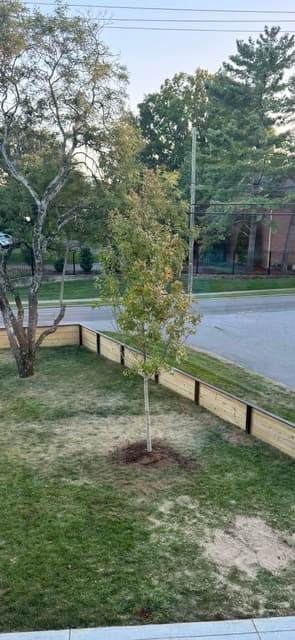
Highly recommend. We unfortunately had a large tree branch break and hanging over our house about to fall and cause some serious d...
Michael, Antonio and his crew did a fantastic job trimming the trees in the butterfly sanctuary that is our yard in Hendersonville...
Found Joe through a neighbor of ours, so happy we did. He lives and works in East Nashville- super personable and professional. Wo...