
JB
★★★★★
March 11th, a brief but strong storm came through Goodlettsville and blew over two giant trees in my front yard; one which was being supported by a 3rd tree that was facing and threatening my house. It was an…
Julie Bangs●3 days ago
From the foothill maples of the Avenues to the honeylocusts along the valley floor, Salt Lake’s trees need care through hard freezes, summer drought, and canyon winds. Expert arborists, on call around the clock.

The Certified Arborist Tree Service of Salt Lake City serves the Salt Lake Valley. Same expert arborists, same standards, and the same insurance that matters, whether it is a single removal or a 2 a.m. storm cleanup.
Salt Lake sits in a semi-arid valley where almost the entire canopy is planted and irrigated. Drought, intense summer heat, and alkaline clay soils put constant stress on trees that were never native to the valley floor.
An arborist looks at which species struggle in the clay and the heat, where canyon winds funnel out of the Wasatch, and how a late spring frost or an early heat wave hits tender new growth. That read is the difference between a tree that limps along and one that thrives.
Almost every tree in the Salt Lake Valley was planted by someone and lives on borrowed water. When one fails, these are some of the problems we check on a site visit.
Downslope winds off the Wasatch load canopies far past ordinary storm stress, and dense, unthinned conifers fail first. The 2020 windstorm was the preview, not the exception.
Hot, dry summers on alkaline clay push valley trees to their limits. Stress opens the door to borers, mites, and canker; deep, infrequent watering closes it.
Yellow leaves with green veins on maples, oaks, and aspens mean the clay is locking up iron. It is soil chemistry, not thirst, and it responds to targeted treatment.
Green ash lines whole valley streets, and the borer keeps moving west. Deciding which ash to protect and which to replace is cheaper before it arrives than after.
From downtown Salt Lake City out across the valley to Sandy, South Jordan, and West Jordan.
Click an area to learn more about it.
Tell us what is going on with your trees. An arborist serving Salt Lake City calls you back, walks the property, and puts the price in writing before anything is scheduled.
Prefer to talk? (801) 849-3901Real reviews from real customers, straight from our Google Business Profile. Here's what people say once the crew has packed up and the yard is clean.
March 11th, a brief but strong storm came through Goodlettsville and blew over two giant trees in my front yard; one which was being supported by a 3rd tree that was facing and threatening my house. It was an…
From the time I inquired w this company about removing a tree that was strongly impacted from the major strong 80 mph winds on March 3, 2023, they provided us w exceptional service in every way . They were…
My family had a tree removal emergency! A large tree in our back yard was on fire and splitting down the middle. The fire department came out the night before to extinguish the fire, but when I woke up the…
Safe removal of dead, diseased, or hazardous trees with proper rigging and full protection for your property.
Learn more →Structural pruning to ANSI A300 standards, deadwood removal, and crown thinning that keeps valley trees safe and healthy.
Learn more →Around the clock storm response across the Salt Lake Valley, with crews dispatched the same day.
Learn more →Strategic pruning, cabling, and bracing to cut wind failure risk before the next storm rolls off the Wasatch.
Learn more →A written inspection and report you can share with insurance carriers and HOA boards.
Learn more →Get expert arborist guidance without a site visit. Share photos or video of your trees and receive a written assessment and estimate within 24 hours.
Learn more →Simplify tree care across multiple properties with a single, trusted provider. Consistent maintenance and emergency response.
Learn more →One point of contact for the whole community: scheduled rounds, reports a board can read, and uniform standards across every lot.
Learn more →ROW maintenance, public works contracts, and storm response for city forestry teams. We handle permits and traffic plans.
Learn more →Corporate campuses, hospital systems, and headquarters landscapes. Quarterly walks, annual risk reports, and paperwork your facilities team can keep on file.
Learn more →Fast dispatch to any property in our service area, with the insurance that matters and safety plans your operations team can review.
Learn more →A geotagged inventory of every tree on the property: species, age, condition, and recommended work, refreshed annually.
Learn more →Local soil, local weather, local pests. The trees that thrive in the foothills are not the ones that thrive on the valley floor, and the failure modes are different too.
Planted along valley streets for decades. A priority to monitor as emerald ash borer spreads west, and prone to girdling roots in heavy clay.
A Salt Lake staple that suffers surface and girdling roots in clay soil. Structural pruning while young prevents bigger problems later.
Iconic in valley yards. Summer heat and drought invite spider mites and needle cast, so deep watering and early treatment keep them blue.
Fast growing and tough, but brittle. One of the first species to fail in a canyon wind event. Thinning the canopy reduces the sail.
Utah's state tree thrives in the foothills but struggles in valley floor heat. Watch stressed trunks for canker and borers.
Widely planted for its light shade. Generally durable, but watch for cankers and trunk borers on drought stressed trees.
Almost every tree in the Salt Lake Valley was planted by someone, which means almost every tree problem here is a management problem: wrong species for the soil, wrong watering for the climate, wrong pruning for the wind. A crew with a chainsaw treats the symptom. An arborist reads the cause, and in this valley the cause is usually chemistry or wind, not age.
Iron chlorosis is the classic example. A yellowing maple on alkaline clay looks thirsty, and more water makes it worse. Diagnosing that correctly, or spotting the included bark a canyon wind will find first, is what separates treatment that works from money spent guessing.
Estimates are walked by an experienced arborist. Cuts follow ANSI A300 standards, risk assessments use TRAQ methodology and are written for HOAs and insurers, and you get a written plan before work begins.
The north and east benches near Parleys Canyon and City Creek see the valley’s strongest canyon wind events. Cottonwood Heights, Sandy, and Holladay sit further south along the same bench, where mature conifers and cottonwoods carry heavy snow load and occasionally take a strong regional wind event too. Millcreek and Murray carry an older, established irrigated canopy just behind them.
The west side is the young side. West Valley City, West Jordan, and Taylorsville planted whole subdivisions of ash, pears, and maples inside twenty years, and those trees are hitting their structural decisions together: correct the co-dominant stems now, or remove the failures later.
South, South Jordan, Draper, and Midvale mix both stories. Every valley city in our coverage list has its own page covering the species, soil, and wind exposure we plan around there.
Don't see your question? Call us. Calls are answered by a real person, day or night.
Free estimate. Twenty-four-hour response. No contracts. No commitments.
Or call (801) 849-3901, answered 24/7 by a human.
Enjoyed our service? Share your experience.
March 11th, a brief but strong storm came through Goodlettsville and blew over two giant trees in my front yard; one which was bei...
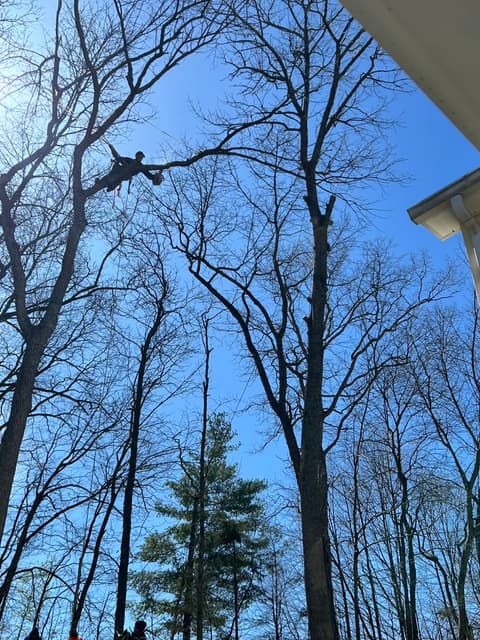
From the time I inquired w this company about removing a tree that was strongly impacted from the major strong 80 mph winds on Mar...
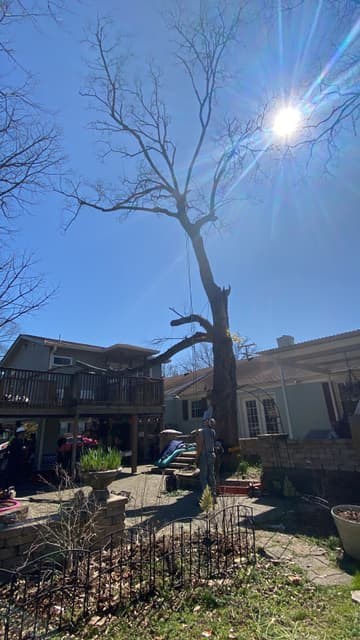
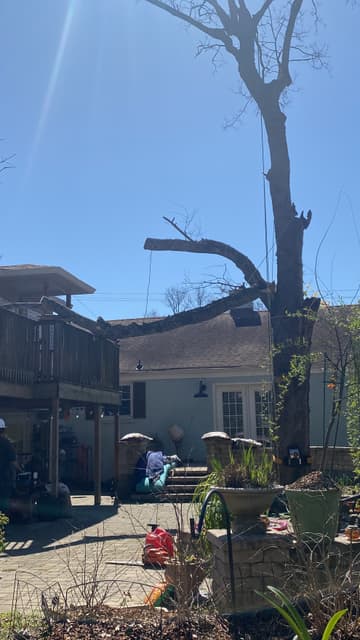
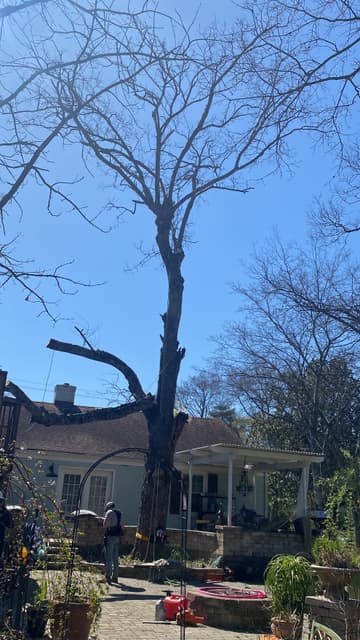
My family had a tree removal emergency! A large tree in our back yard was on fire and splitting down the middle. The fire departme...
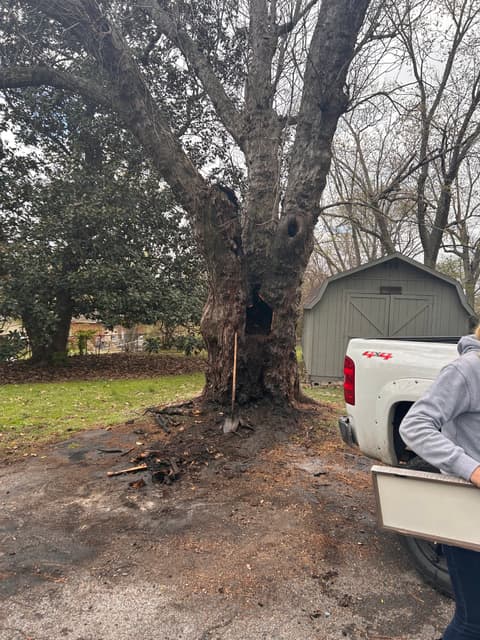
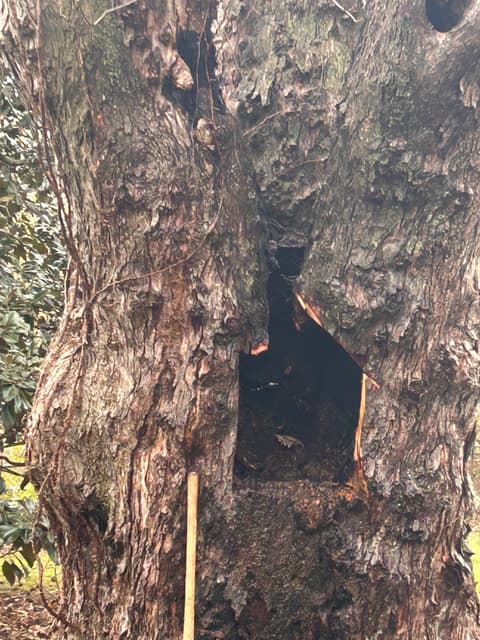
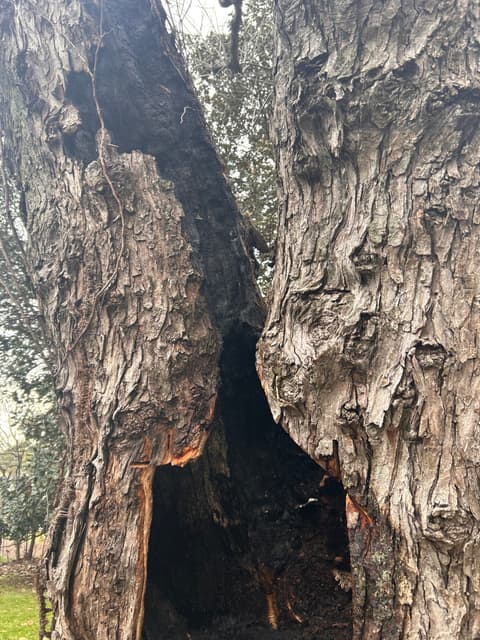
Great service, communication and fair pricing. Would recommend for any job big or small this company is the real deal! Thanks CATS...
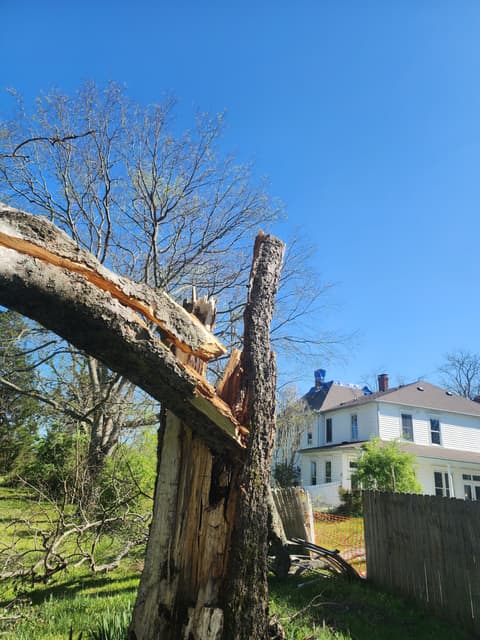
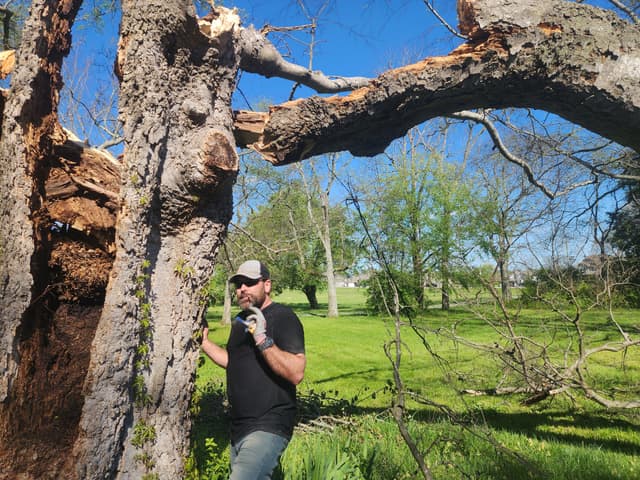
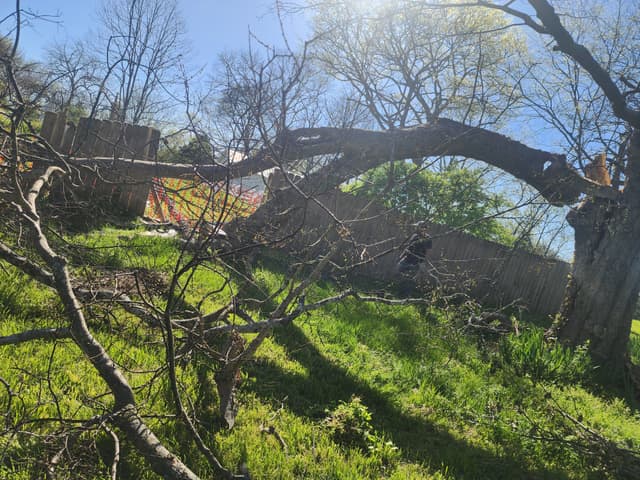
The day before Easter we discovered our largest tree had rotted and split more than halfway through. It had become very dangerous...
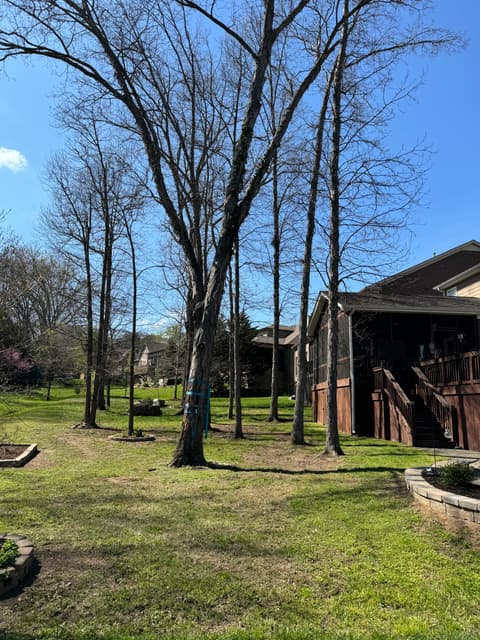
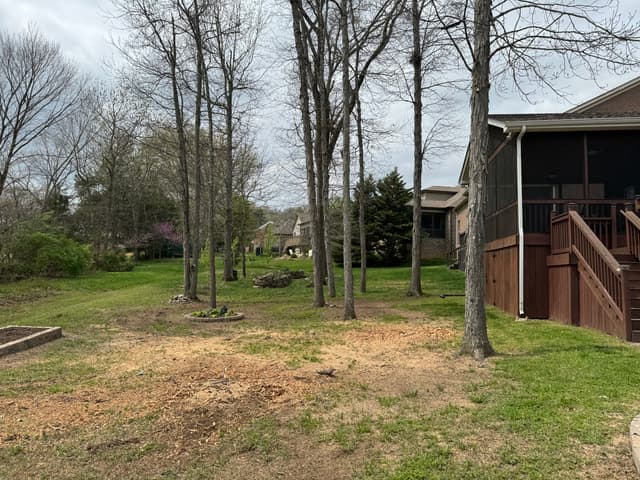
I highly recommend this company. Sales guy was awesome. He stepped me through the entire process. Gave me a great quote that I cou...
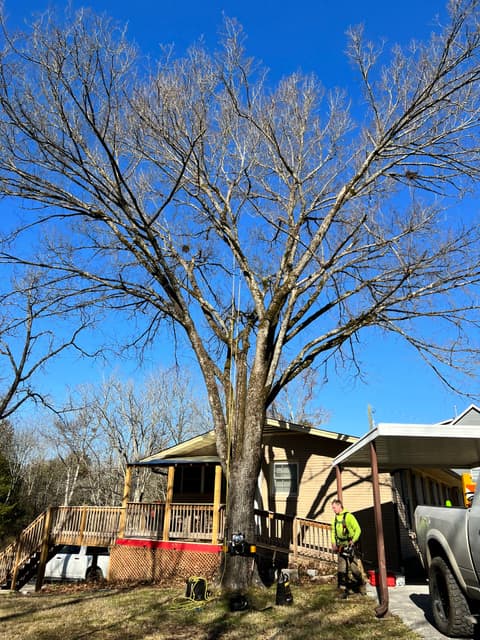
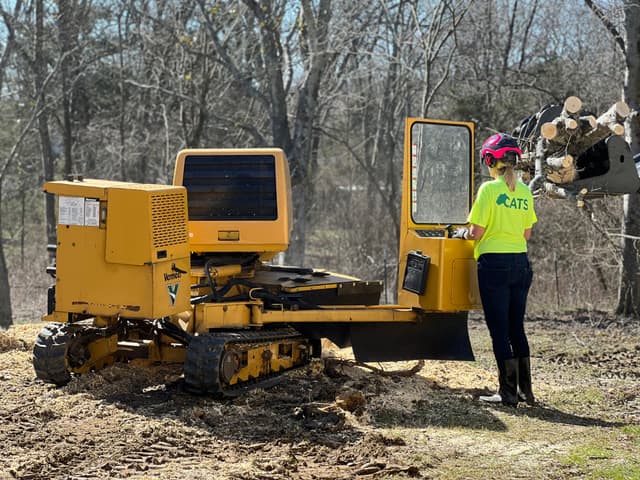
We found the company to be very efficient, listened carefully to our requests and suggestions. It was a pleasure to work with th...
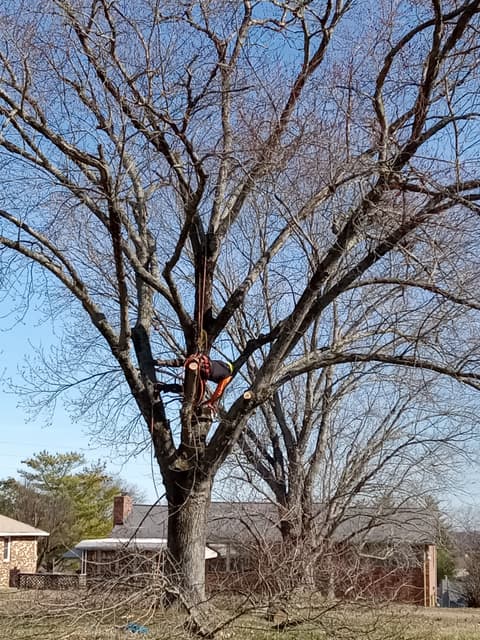
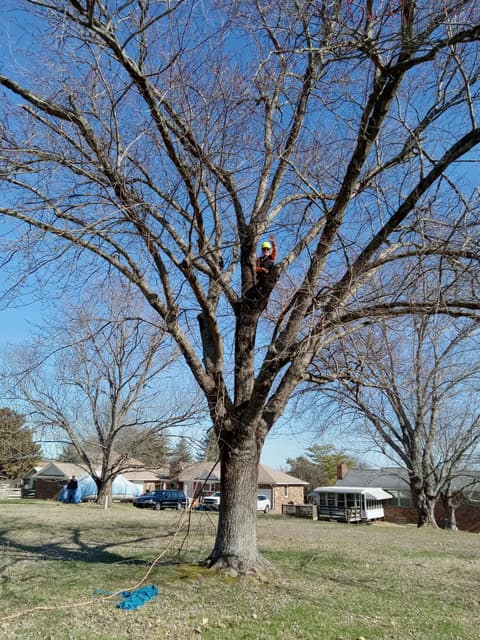
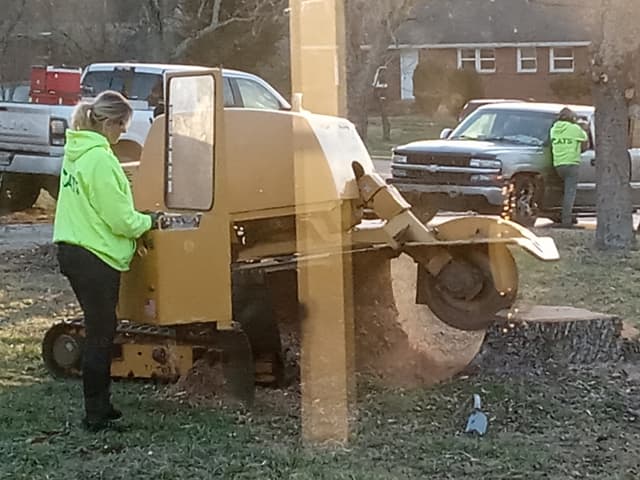
CATS and the Treemasters crew were awesome. They were so careful taking down a large hackberry and trimming another hanging right...
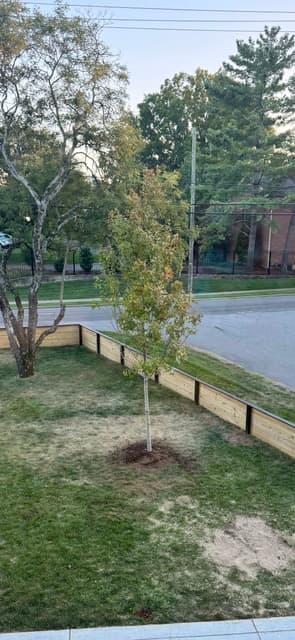
Highly recommend. We unfortunately had a large tree branch break and hanging over our house about to fall and cause some serious d...
Michael, Antonio and his crew did a fantastic job trimming the trees in the butterfly sanctuary that is our yard in Hendersonville...
Found Joe through a neighbor of ours, so happy we did. He lives and works in East Nashville- super personable and professional. Wo...