Dogwood Borers in Nashville
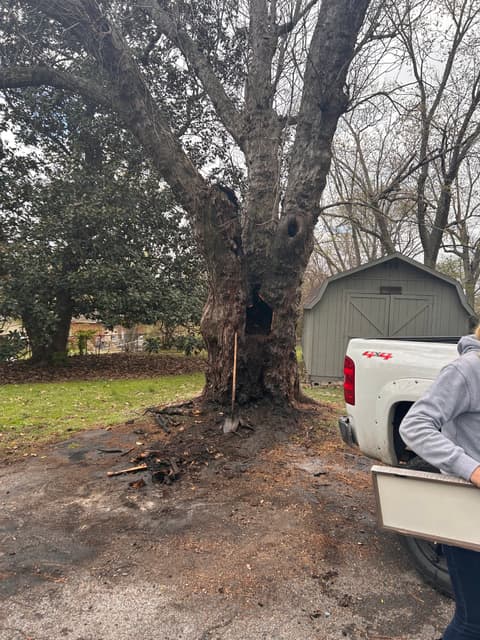
Dogwood borers (Synanthedon scitula) are a common but serious threat to flowering dogwood and ornamental cherry trees across Nashville's older neighborhoods. Early identification and treatment can save a tree that would otherwise decline into removal.
Dogwood borers are one of the more insidious pest problems our arborists encounter across Nashville’s older residential neighborhoods. The insect responsible, Synanthedon scitula, is a clearwing moth whose larvae bore beneath the bark of flowering dogwood (Cornus florida) and ornamental cherry, feeding on the living tissue that carries water and nutrients throughout the tree. By the time most homeowners notice something is wrong, the damage is already well underway.
What Is a Dogwood Borer?
The adult dogwood borer is a day-flying moth that resembles a yellowjacket wasp, a trait that likely deters predators. Adults are active from late spring through late summer and lay eggs directly on bark wounds, pruning cuts, or areas where lawnmower or string-trimmer damage has left the wood exposed. Once the eggs hatch, the larvae chew through the outer bark and begin feeding on the cambium layer, the thin band of tissue just beneath the bark responsible for girth growth and vascular transport.
Nashville’s clay-heavy soils, variable spring moisture, and occasional ice storm damage all contribute to tree stress, and stressed trees are exactly what dogwood borers seek out. A dogwood already struggling with drought or transplant shock becomes a target; a healthy, well-rooted tree in native soil is far more resistant.
How to Identify an Infestation
Symptoms often appear gradually, which is part of what makes this pest so damaging. Look for:
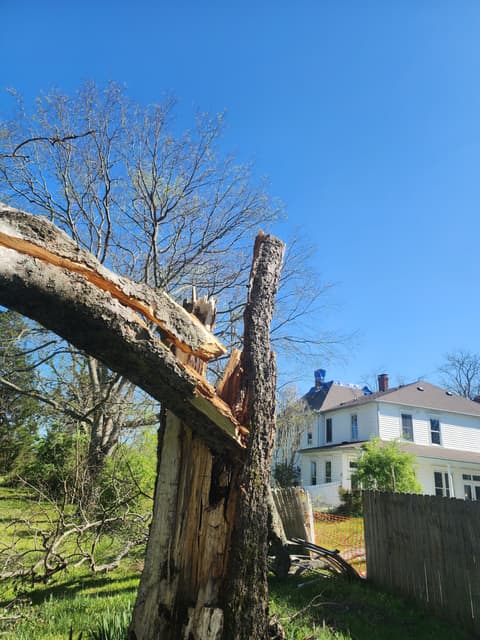
- Twig or branch dieback, particularly in the upper canopy where girdled tissues can no longer receive water
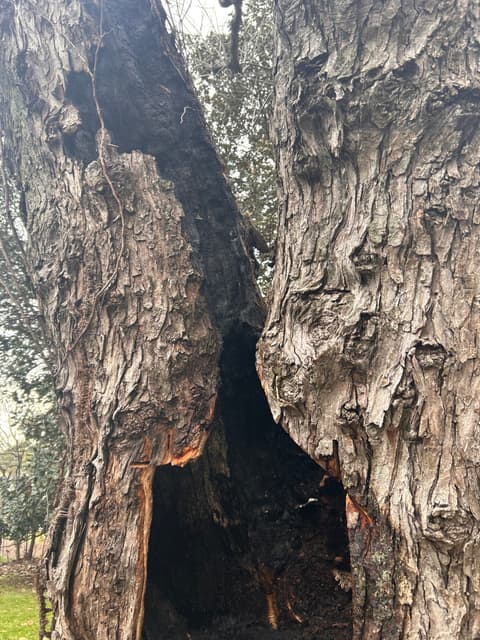
- Sloughing or loose bark on the trunk or main scaffold branches, often with reddish-brown staining underneath
- Frass, the powdery waste the larvae push out of their feeding galleries, accumulating in bark crevices or at the base of the tree
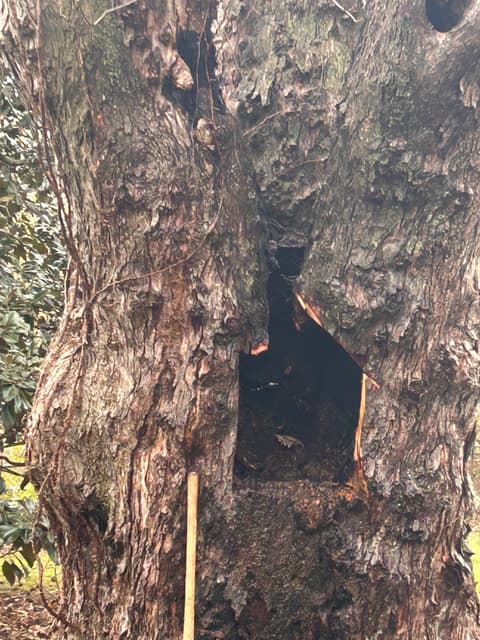
- Entry or exit holes in the bark, sometimes with a small amount of frass packed around the opening
- Swollen or knotty areas on the trunk where repeated infestation has distorted the wood
Our crews see these signs regularly across East Nashville, Inglewood, Madison, Donelson, Hermitage, Goodlettsville, and Hendersonville, especially in older landscape dogwoods planted along fence lines or in full sun beds where they were never quite in their ideal conditions.
Why This Matters for Nashville Dogwoods
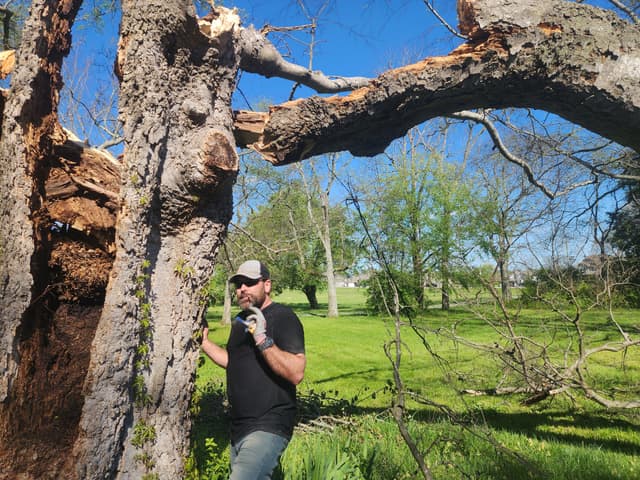
Flowering dogwood is deeply tied to Middle Tennessee’s spring landscape, and Nashville’s neighborhoods are full of mature specimens that took decades to reach their current size. Once borer larvae girdle the cambium around a limb or work their way into the trunk, that portion of the tree cannot recover. Repeated infestations over several seasons weaken the entire structure and make the tree vulnerable to secondary pathogens, including fungal cankers that move in through the same wounded tissue.
Unlike some insect problems where a single treatment is curative, dogwood borer management requires attention to both the pest and the underlying stress factors that made the tree a target.
Treatment and Management Options
Reduce Tree Stress First
The single most important step is removing the conditions that attract borers. This means:
- Keeping lawn equipment away from the base of the tree. String trimmer wounds at the root flare are a primary entry point.
- Mulching correctly. A 3-inch layer pulled back from the trunk moderates soil temperature and retains moisture.
- Watering during Nashville’s dry summer stretches, particularly for trees planted in the last five years.
Insecticide Timing
Preventive insecticide treatments are most effective when applied to the bark before adult moths lay eggs, typically from late April through early summer in Middle Tennessee. Pyrethroid-based bark sprays applied by a licensed applicator can reduce new infestations, but they will not kill larvae already inside the wood. For trees with active infestations, a combination of correct timing, appropriate product selection, and follow-up monitoring over two to three seasons is typically needed.
Pruning and Structural Work
Limbs with heavy frass, feeding galleries, or extensive dieback should be removed to reduce the pest load and improve the tree’s energy balance. Our arborists assess each limb for structural integrity before recommending removal versus retention.
When to Call an Expert Arborist
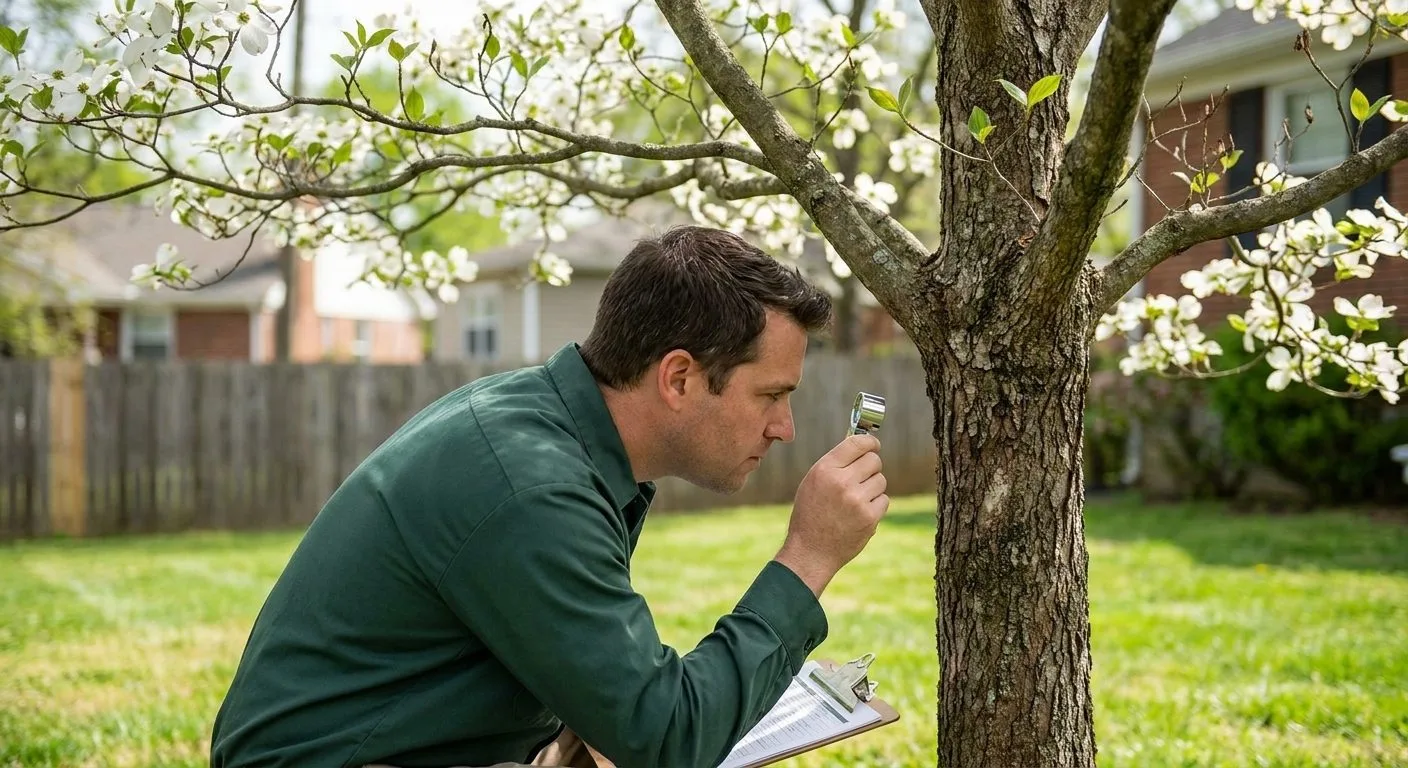
If you are seeing dieback, loose bark, or frass on a dogwood or ornamental cherry on your Nashville property, do not wait for the next growing season to see if it improves. Borers continue to feed as long as conditions allow, and a tree that is treatable in spring can become a removal candidate by fall.
Our arborists offer free on-site assessments throughout Davidson County and the surrounding communities. We will tell you honestly what we find and what your options are, including whether the tree is worth treating or whether removal is the better path forward.
Worried about this on your Nashville property?
An expert arborist will assess it in person and give you a written plan. Free estimate, no pressure.