
JB
★★★★★
March 11th, a brief but strong storm came through Goodlettsville and blew over two giant trees in my front yard; one which was being supported by a 3rd tree that was facing and threatening my house. It was an…
Julie Bangs●3 days ago
Expert tree pruning and trimming that follows ANSI A300 standards to protect tree health, structure, and your property.

Seasonal pruning protects the health, structure, and long life of your trees. Expert pruning preserves a tree’s structural integrity and protects your property from storm damage hazards.
A knowledgeable crew stays current on science based pruning techniques, works across diverse tree species, and follows ANSI A300, the American National Standards Institute’s standard for tree pruning.
You do not need an arborist’s eye to spot most of these. If any sound familiar, it is time to schedule a trim:
The first priority in pruning is detecting and removing diseased, broken, or dead branches and limbs that endanger people and structures, especially during severe weather. Beyond mitigating structural issues, this type of pruning can prevent disease causing fungi in one part of a tree from spreading to other areas.
Low hanging branches that border walking paths, driveways, and buildings need pruning so trees don’t interfere with the safe passage of pedestrians and cars. On urban and suburban properties, that same concern extends to keeping limbs and foliage clear of sidewalks, roadways, and the visibility of traffic lights and street signs.
Many tree diseases are driven by excess moisture. Chronic dampness in a tree’s foliage, stems, or root system, often caused by inadequate sunlight and air flow in the crown, can be a major contributor to disease. Pruning opens the leaf canopy to improve sunlight penetration and air flow.
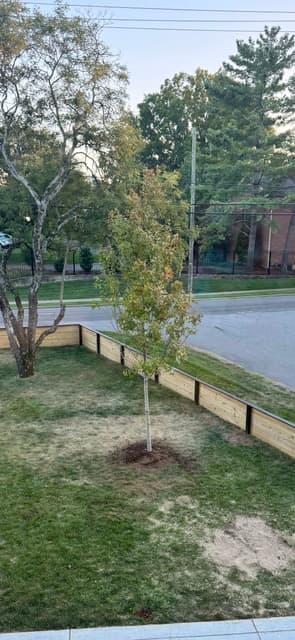
Careful pruning of structural defects in young trees, known as developmental pruning, helps them grow with strong, attractive, healthy branch architecture. Thoughtful pruning while a tree is young reduces the chance of serious problems at maturity and avoids the need for costly corrective measures like cabling and bracing.
Over time, often after storm damage or structural failure, the crown shape and branch structure of a mature tree can deteriorate. Restoration pruning by a skilled arborist can bring a tree back to its characteristic form and stimulate new, healthy growth. It requires advanced techniques applied over multiple pruning cycles.
Arborists perform pruning services throughout the year. For general tree health, pruning deciduous trees during dormancy, generally late fall through winter, works best, after leaves have fallen and before new leaves form. Evergreens are typically pruned late in their winter dormant season, just before new growth begins.
Real reviews from real customers, straight from our Google Business Profile. Here's what people say once the crew has packed up and the yard is clean.
March 11th, a brief but strong storm came through Goodlettsville and blew over two giant trees in my front yard; one which was being supported by a 3rd tree that was facing and threatening my house. It was an…
From the time I inquired w this company about removing a tree that was strongly impacted from the major strong 80 mph winds on March 3, 2023, they provided us w exceptional service in every way . They were…
CATS crew was amazing across the board from Mike & Lisa & Joe to the crew that came to our house. The consultation was easy and informative and made me feel comfortable in choosing them. The price was less…
Keep your trees safe, structured, and looking right. We remove dead or overgrown branches, improve clearance, and reduce storm risk.
Service Details: Tree Trimming and PruningWhether a tree is damaged, dead, or a safety hazard, our crews ensure safe and efficient removal with minimal disruption to your property.
Service Details: Tree RemovalWhen storms cause tree damage, our emergency team responds quickly to remove hazards, clear debris, and restore safety.
Service Details: Emergency Tree ServiceWe grind the stump below grade, including the surface roots, so the yard is clear, safe, and ready to replant.
Service Details: Stump Grinding & RemovalFertilization, disease treatment, and insect management that keep your established trees and ornamentals healthy through every season.
Service Details: Plant Health CareSteel cables and brace rods that reinforce weak unions before they split.
Service Details: Tree Cabling & BracingStrategic pruning, cabling, and bracing to reduce storm damage risks before severe weather hits.
Service Details: WindReady Storm PrepIdentifying potential hazards before they become problems. Tree stability, structural integrity, and surrounding risks evaluated on-site.
Service Details: Tree Risk AssessmentSimplify tree care across multiple properties with a single, trusted provider. Consistent maintenance and emergency response.
Service Details: Commercial Tree ServiceGet expert arborist guidance without a site visit. Share photos or video of your trees and receive a written assessment and estimate within 24 hours.
Service Details: Virtual ConsultingOur expert arborists deliver tree trimming and pruning across every market we serve. Find your metro:
Don't see what you're looking for? Call us. Every call is answered by a human arborist or scheduler.
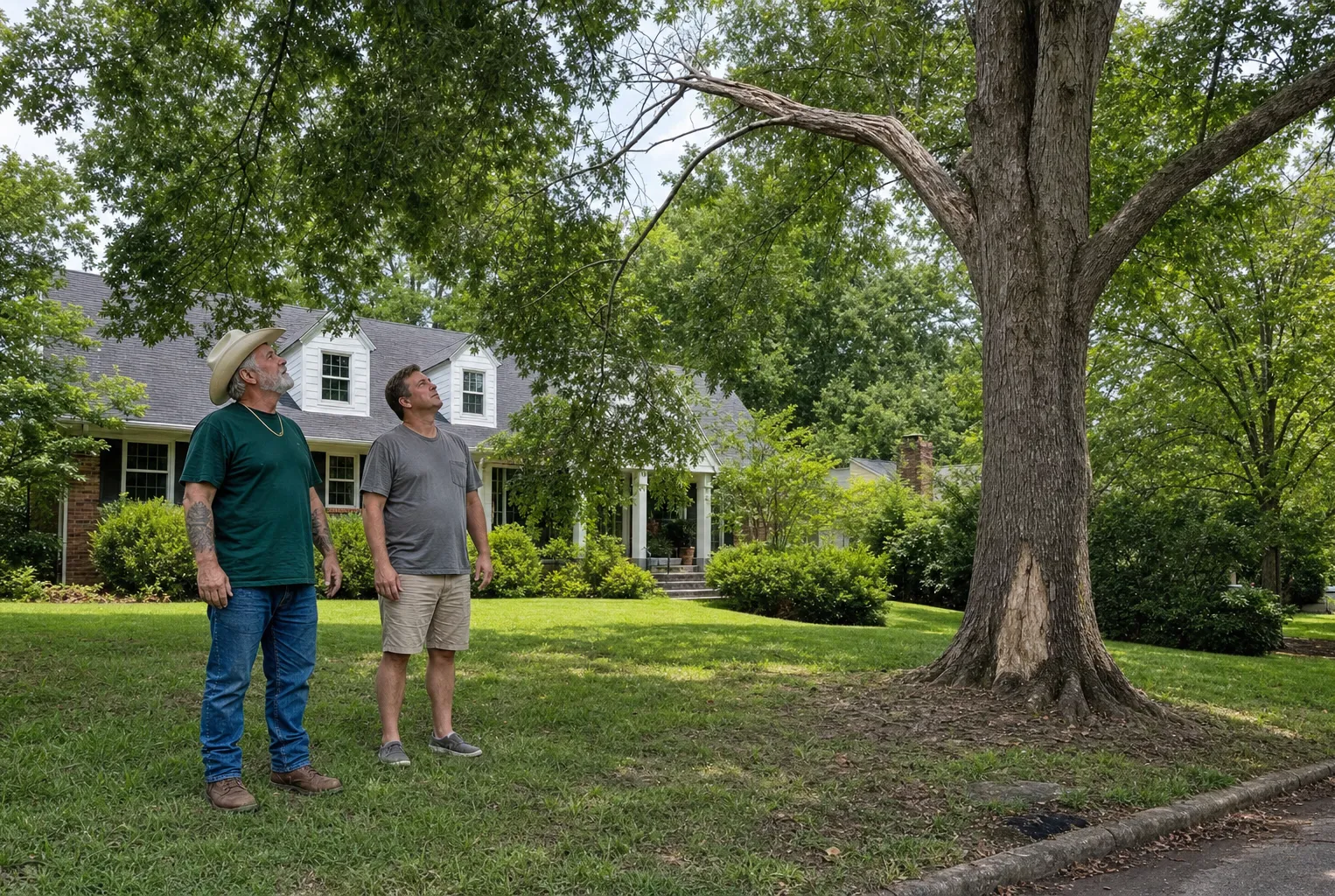
Estimates are handled by an experienced professional arborist, not a salesperson. That means honest diagnosis, plain language explanations, and a written plan you can actually act on. Our crews are trained to ANSI A300 industry standards to keep the work consistent and safe, but our real proof is the trees still standing on the streets we've worked for forty years.
Free estimate. Twenty-four-hour response. No contracts. No commitments.
Or call (615) 703-2611, answered 24/7 by a human.
Enjoyed our service? Share your experience.
March 11th, a brief but strong storm came through Goodlettsville and blew over two giant trees in my front yard; one which was bei...
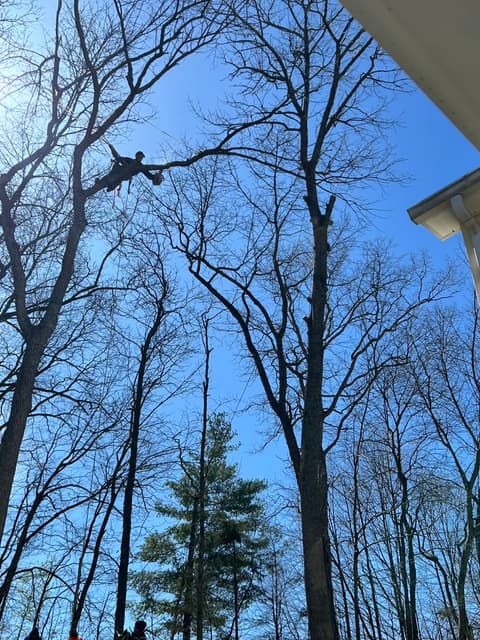
From the time I inquired w this company about removing a tree that was strongly impacted from the major strong 80 mph winds on Mar...
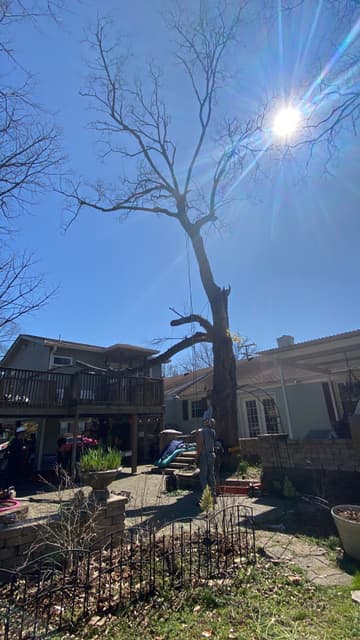
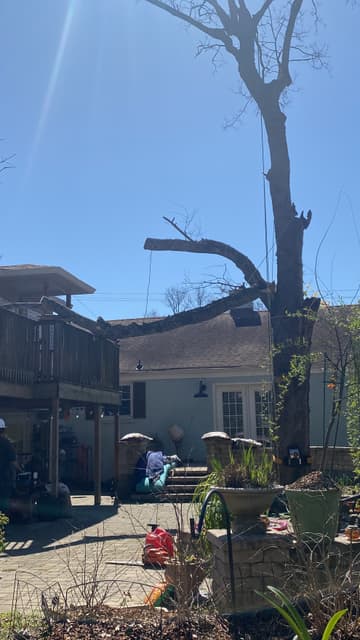
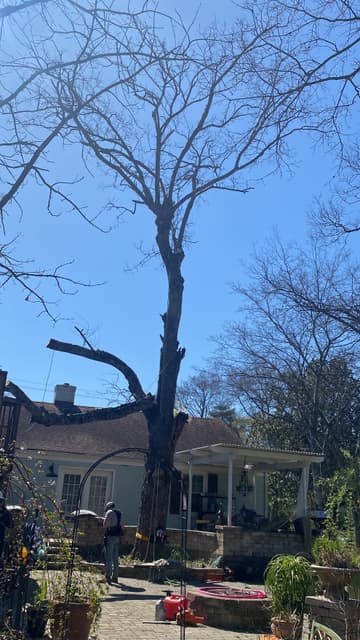
CATS crew was amazing across the board from Mike & Lisa & Joe to the crew that came to our house. The consultation was easy and in...
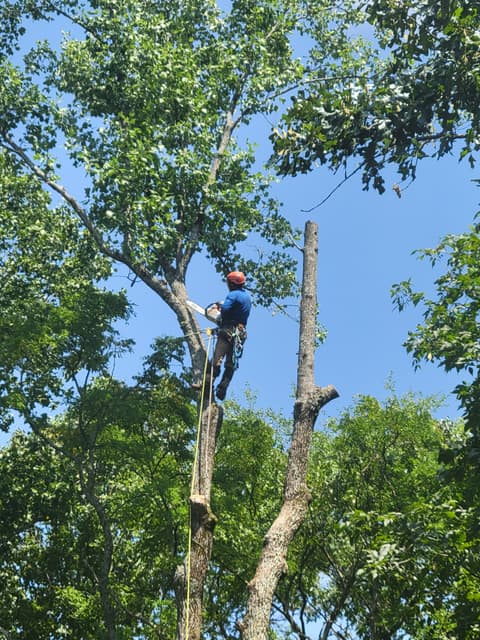
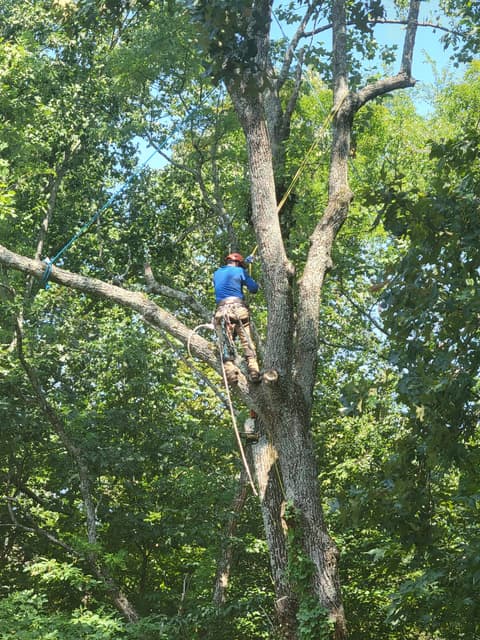
My family had a tree removal emergency! A large tree in our back yard was on fire and splitting down the middle. The fire departme...
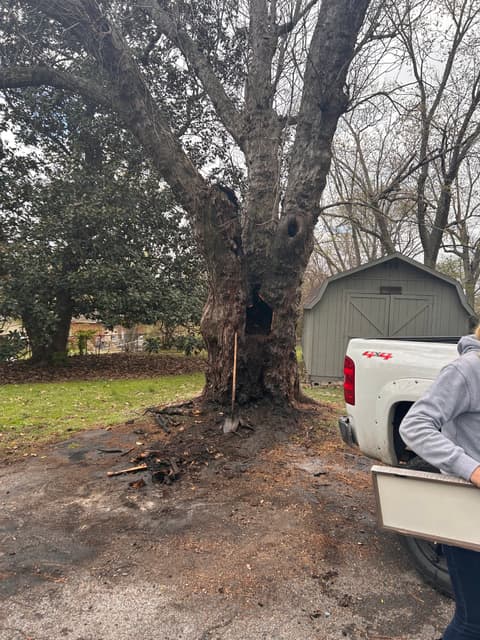
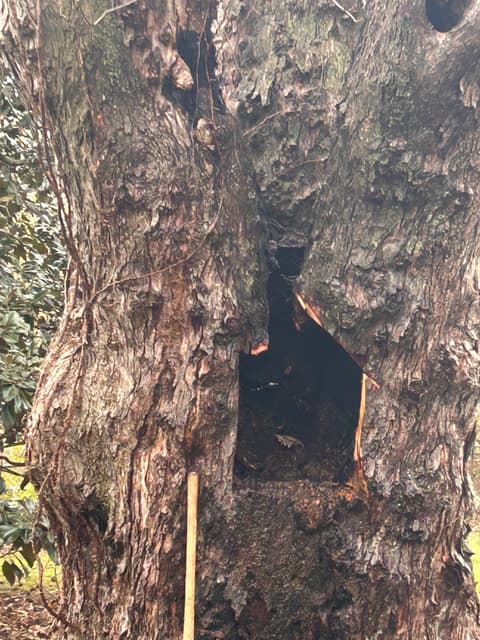
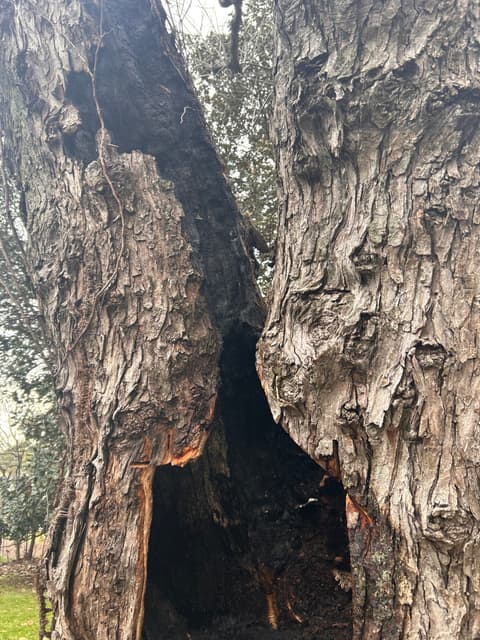
Great service, communication and fair pricing. Would recommend for any job big or small this company is the real deal! Thanks CATS...
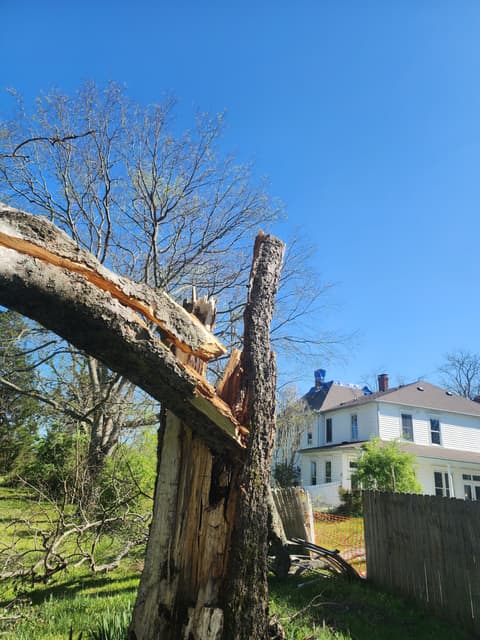
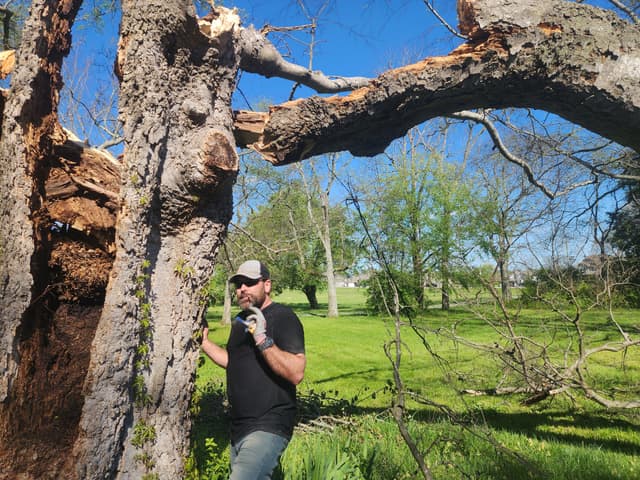
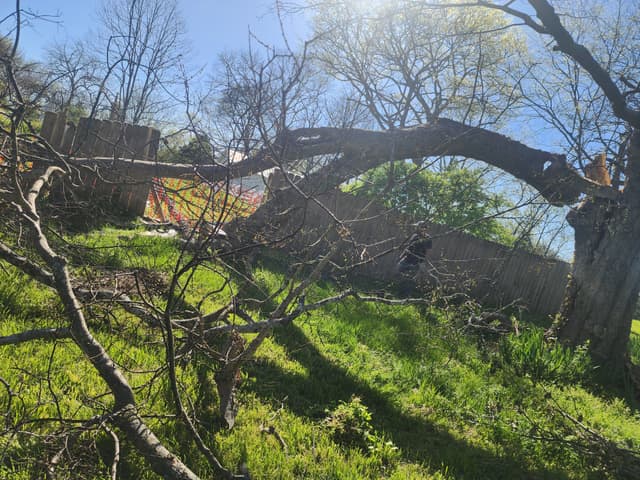
The day before Easter we discovered our largest tree had rotted and split more than halfway through. It had become very dangerous...
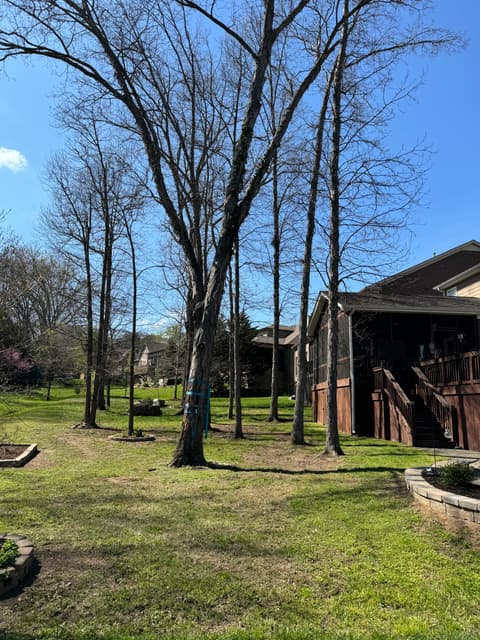
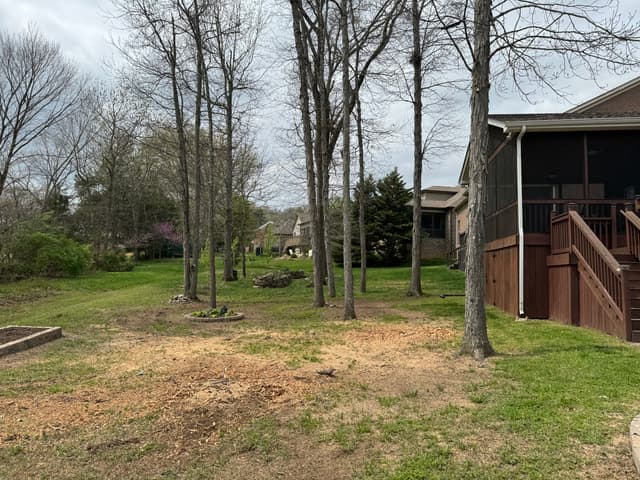
I highly recommend this company. Sales guy was awesome. He stepped me through the entire process. Gave me a great quote that I cou...
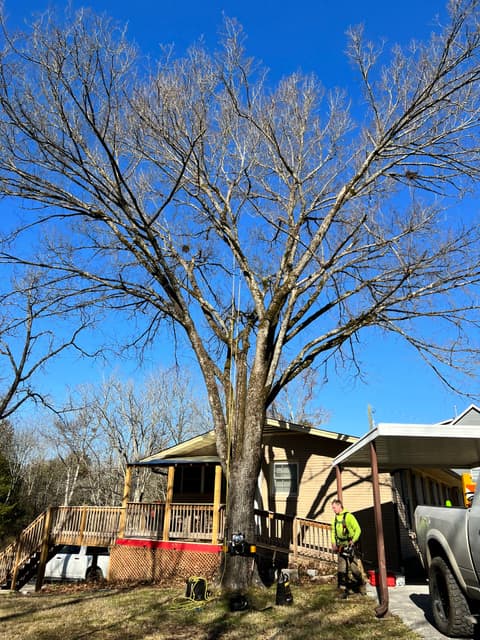
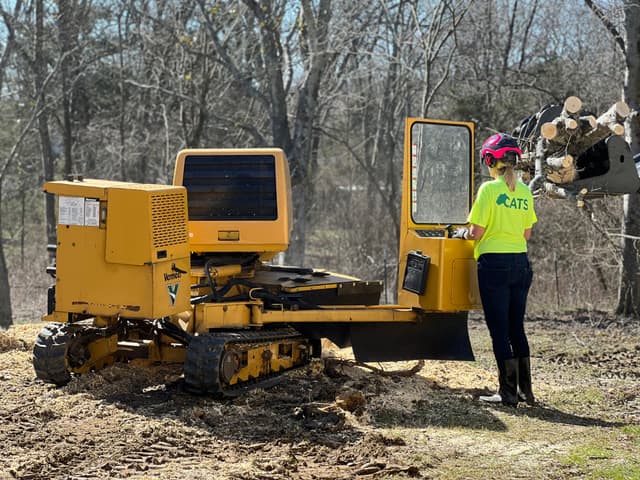
We found the company to be very efficient, listened carefully to our requests and suggestions. It was a pleasure to work with th...
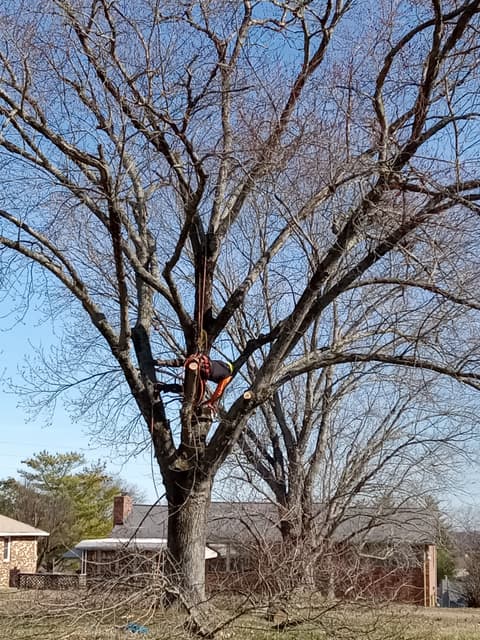
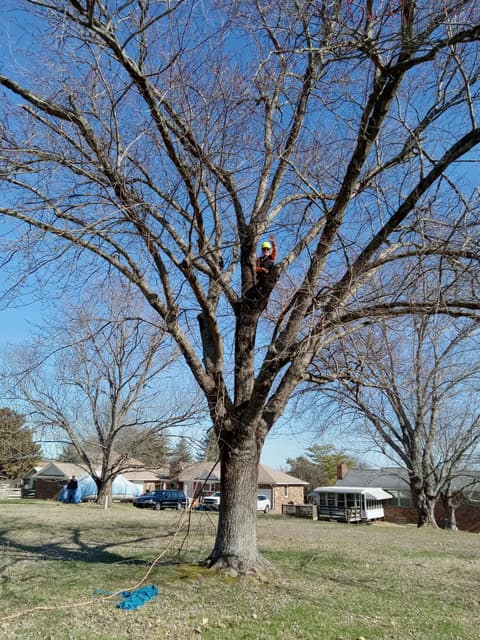
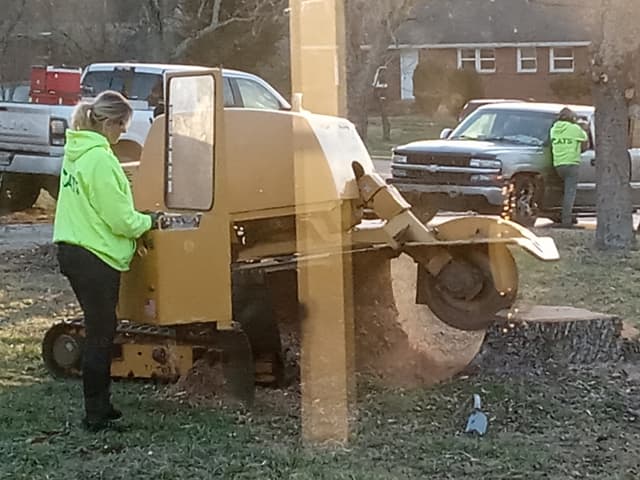
CATS and the Treemasters crew were awesome. They were so careful taking down a large hackberry and trimming another hanging right...
Highly recommend. We unfortunately had a large tree branch break and hanging over our house about to fall and cause some serious d...
Michael, Antonio and his crew did a fantastic job trimming the trees in the butterfly sanctuary that is our yard in Hendersonville...
Found Joe through a neighbor of ours, so happy we did. He lives and works in East Nashville- super personable and professional. Wo...