7 Signs It's Time to Remove a Tree in Nashville
Most trees can be saved with proper care, but some cannot. Knowing when a tree has reached the point of no return protects your property, your family, and the healthy trees around it.
Here are the seven signs that removal is the right call, and what to expect from the process.
1. Significant Structural Defects
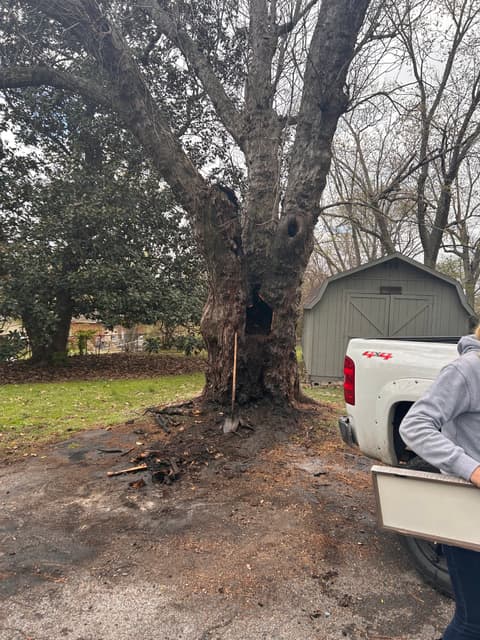
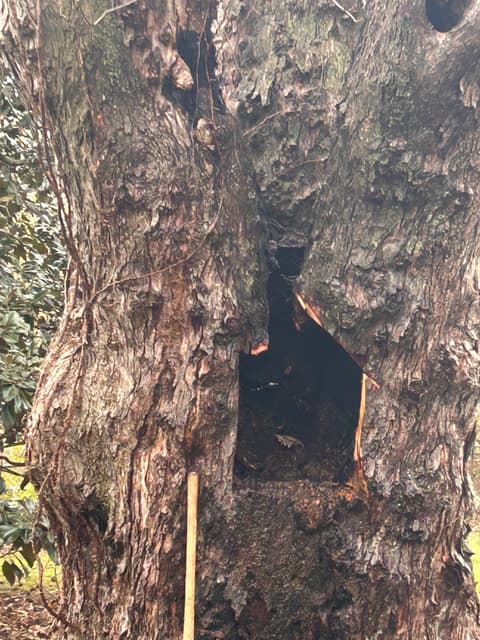
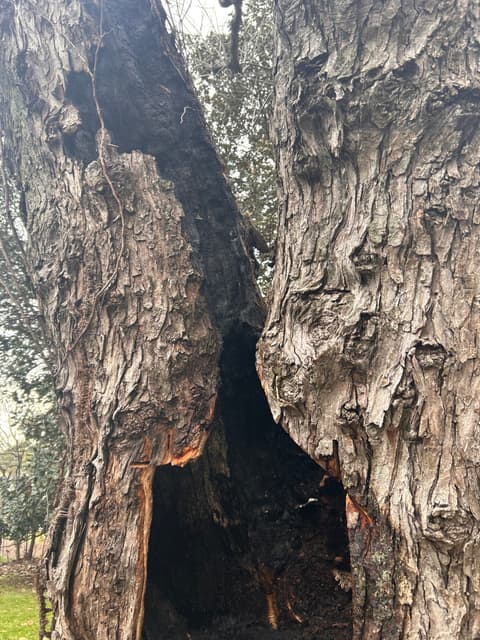
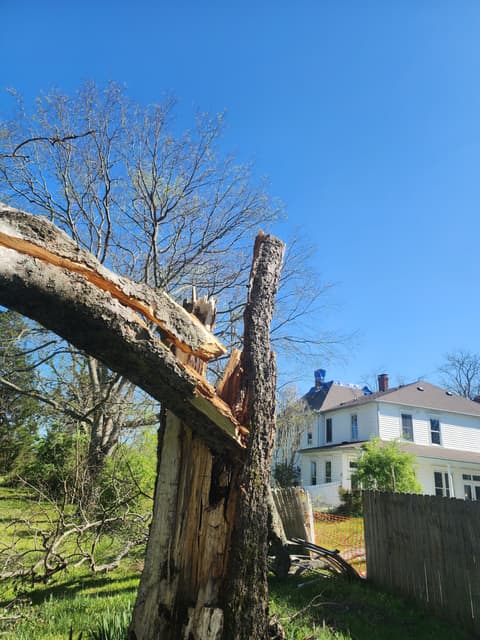
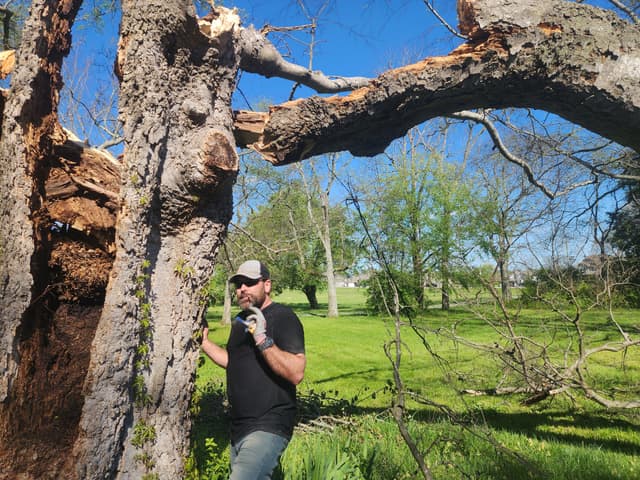
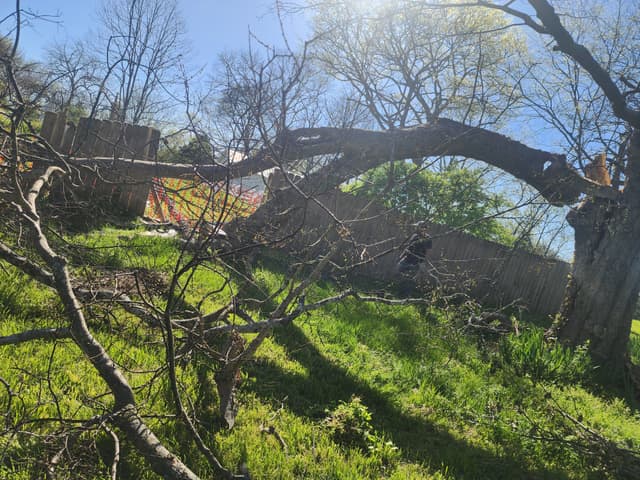
Cracks that run through the main stem or major branches, co-dominant leaders with included bark, and large cavities that compromise the load-bearing wood are structural defects that dramatically increase failure risk. When a structural defect cannot be corrected through cabling, bracing, or targeted pruning, removal is often the only safe option.
2. More Than 50% Dead Wood in the Crown
A tree with isolated dead branches can often be saved. A tree where more than half of the crown is dead or dying has lost the capacity to recover. Extensive crown dieback is a sign that the root system or vascular tissue has failed, and the remaining live wood may follow within a season or two.
3. Root Damage or Root Zone Compromise
Roots are the foundation of the tree. Severed or decayed roots, whether from construction activity, trenching near the tree, or fungal disease, can destabilize a tree that looks perfectly healthy above ground. Signs of root problems include soil heaving near the base, fungal conks at the root flare, and leaning that develops after a storm or construction project.
4. The Tree Is Leaning Dangerously
A gradual lean that has developed over time is a red flag. Unlike trees that grew at a natural angle, a sudden or progressive lean indicates root failure or internal decay and means the tree could fall at any time. If a leaning tree is near your home, driveway, or a play area, have it evaluated immediately.
5. Advanced Disease with No Viable Treatment
Some diseases, like oak wilt, thousand cankers disease in black walnuts, or Dutch elm disease, are fatal and have no effective cure once they reach an advanced stage. Removing a diseased tree promptly can prevent the disease from spreading to neighboring trees.
6. The Tree Is an Invasive Species
Invasive trees like tree of heaven (Ailanthus altissima), princess tree (Paulownia tomentosa), and callery pear outcompete native species and can spread aggressively. Removing invasive trees improves biodiversity and reduces long-term maintenance.
7. The Hazard Cannot Be Mitigated
Every tree is a risk-benefit calculation. When the likelihood of failure is high, the consequences of failure are severe (a tree over your roof), and corrective measures cannot adequately reduce the risk, removal is the responsible choice.
What to Expect During Tree Removal
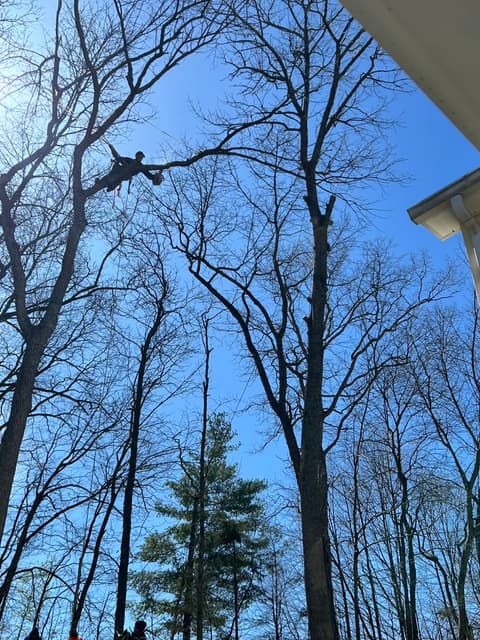
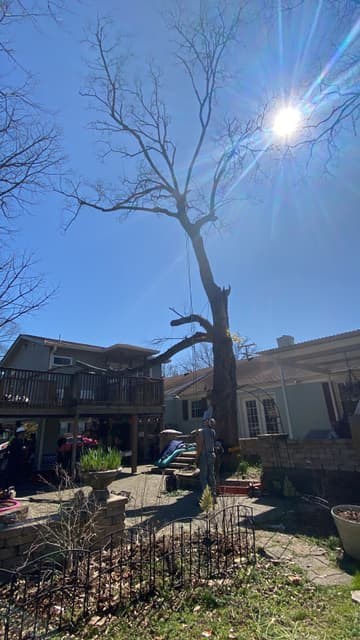
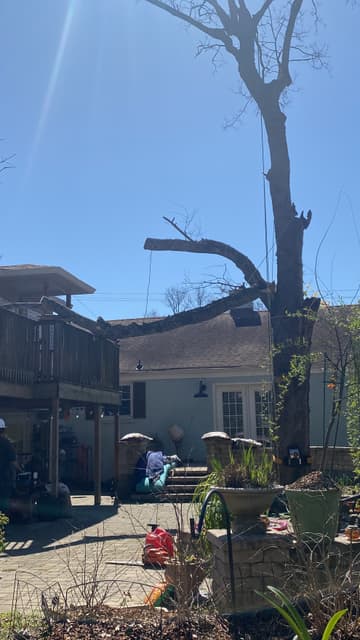
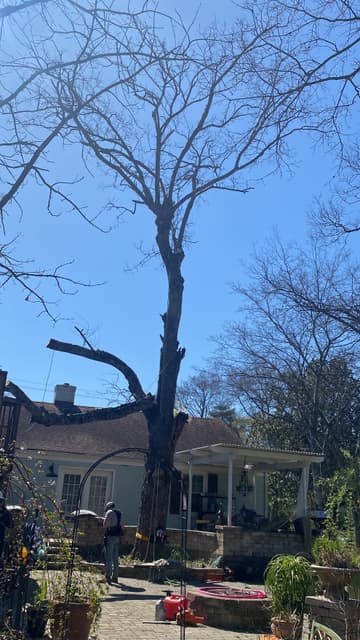
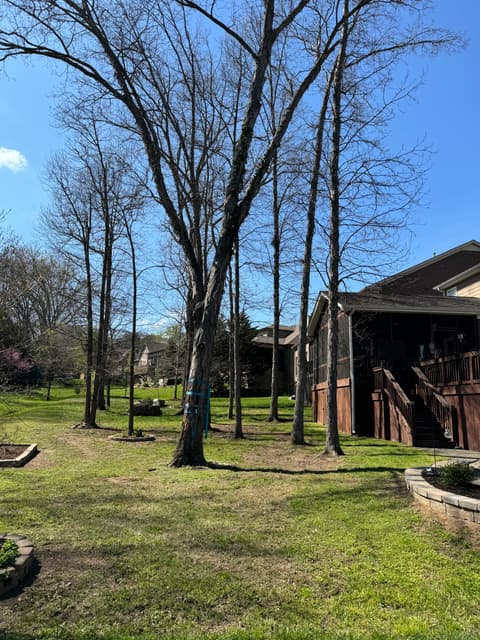
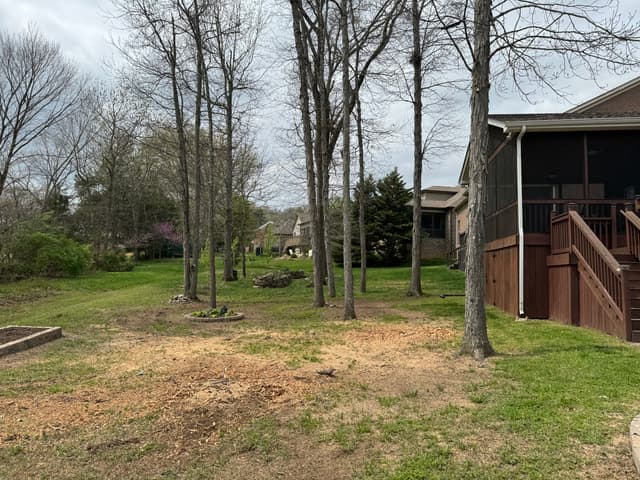
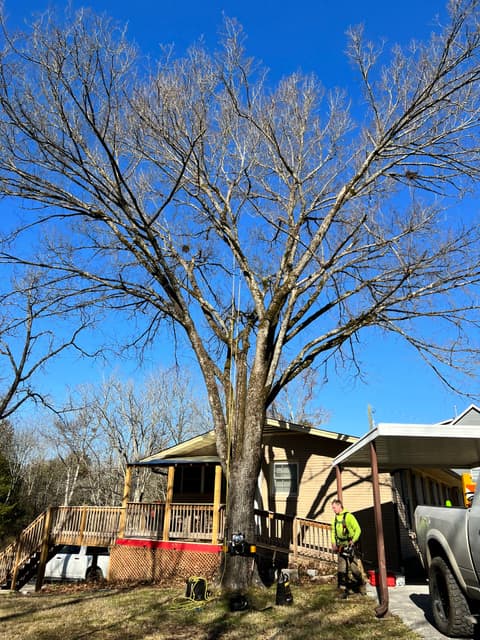
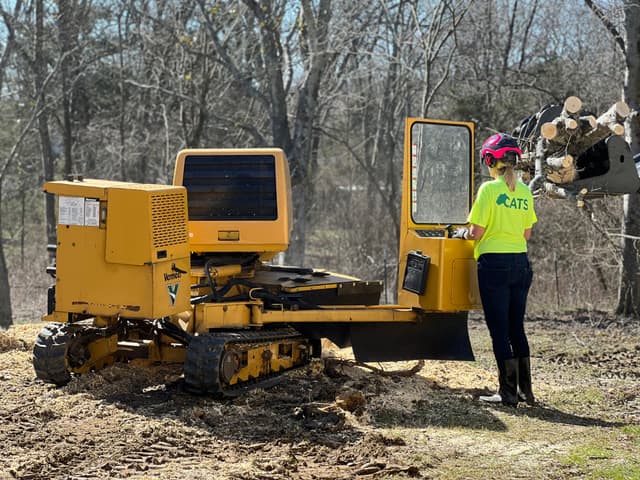
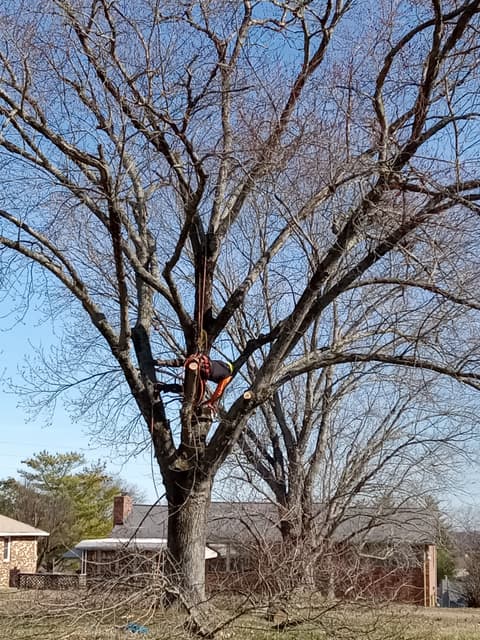
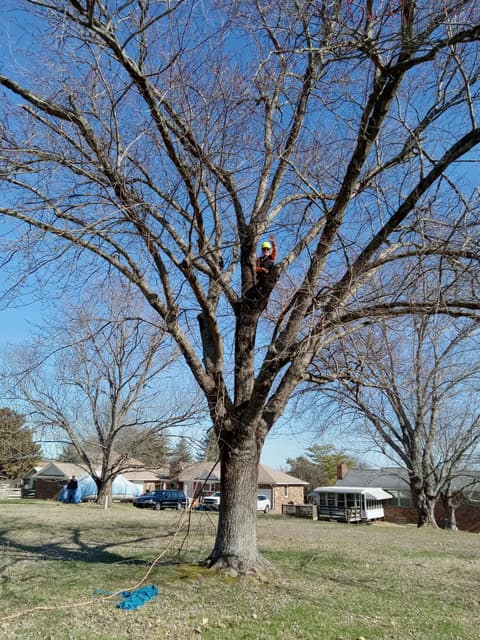
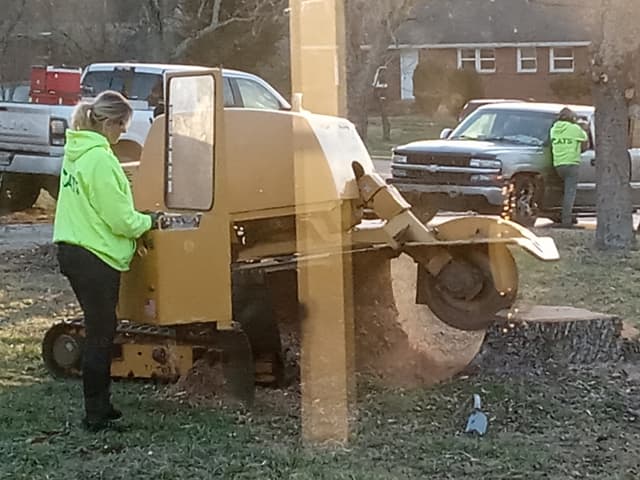
Our crews dismantle trees in sections, using bucket trucks, rigging, and chippers as the job requires. A standard removal includes taking the tree down, chipping all brush, and cutting the stump as flush as possible to the ground. Stump grinding is available as a follow-up service.
If you have a tree you’re concerned about, our expert arborists offer free on-site estimates and honest assessments. We remove trees only when it’s truly necessary.