What Property Managers Should Know About Tree Risk Assessments
Property managers juggle countless responsibilities: tenant safety, facility maintenance, budgeting, compliance, and emergency preparedness. One critical area that often gets overlooked is the health and safety of the trees on your property. While trees add environmental value, beauty, and shade, they can also pose risks if they are weak, diseased, or improperly located. That’s where a professional tree risk assessment becomes essential.
What Is a Tree Risk Assessment?
A tree risk assessment is a systematic evaluation of trees to identify structural defects, potential hazards, and the likelihood of failure that could result in property damage or personal injury. Conducted by trained arborists, this process examines factors such as:
- Tree structure and stability
- Historical stress, decay, and insect damage
- Nearby targets like buildings, parking areas, or play spaces
- Environmental conditions such as wind exposure or soil instability
Unlike routine tree trimming, a risk assessment digs deeper into the why behind a tree’s condition and assesses both current and future risk.
Why Tree Risk Assessments Matter for Property Managers
Trees are living assets, but when they fail, they become liabilities.
1. Protecting People, Tenants, and Property
A falling branch or unstable tree can lead to costly lawsuits and injury claims. A professional tree risk assessment evaluates not just what could go wrong, but how likely it is to happen. This foresight allows property managers to act proactively rather than reactively.
2. Reducing Liability Exposure
When a property manager retains documentation from a certified tree risk assessment, it demonstrates due diligence. Should an incident occur, that documentation can be essential in mitigating legal and insurance disputes.
3. Cost-Effective Maintenance
Tree care isn’t free, but unmanaged risk can be far more expensive. A single catastrophic tree failure might cost tens of thousands of dollars in damage. By contrast, annual tree risk assessments help you budget and prioritize care over time, reducing total lifecycle costs.
4. Enhancing Property Value and Aesthetics
Well-managed landscapes aren’t just safer, they’re more inviting. Trees evaluated and maintained based on risk assessment data support both curb appeal and real estate value. Tenants, visitors, and buyers alike equate thoughtful landscape management with quality property stewardship.
What to Expect During a Tree Risk Assessment
A quality tree risk assessment follows TRAQ (Tree Risk Assessment Qualification) standards and a structured process.
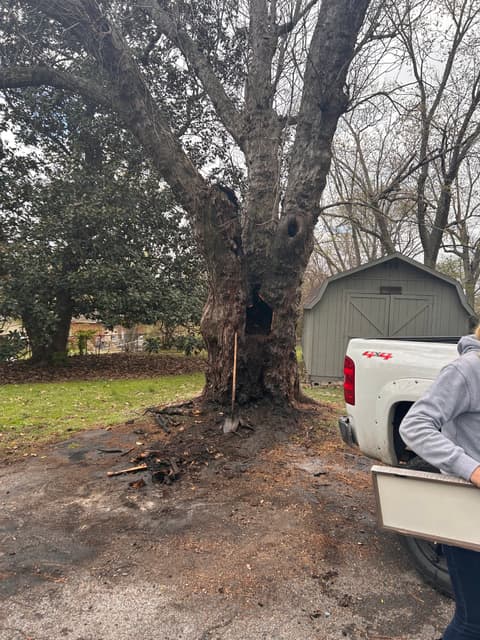
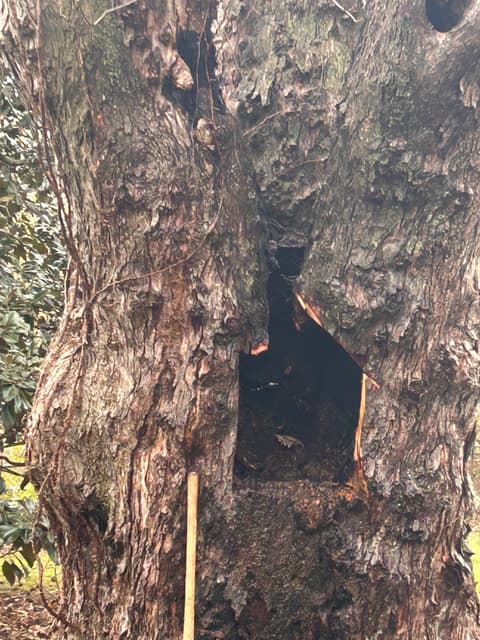
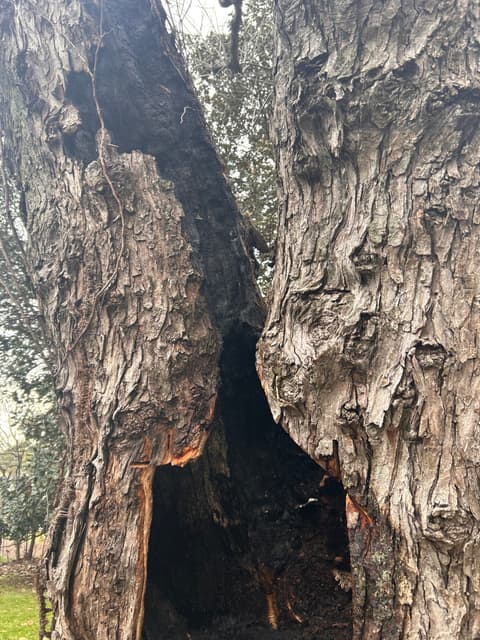
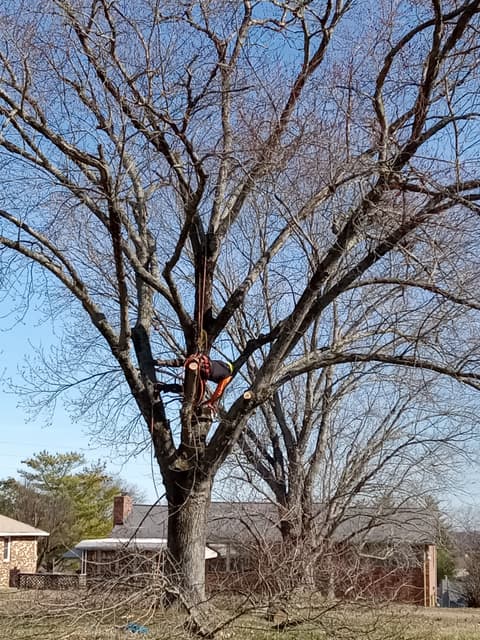
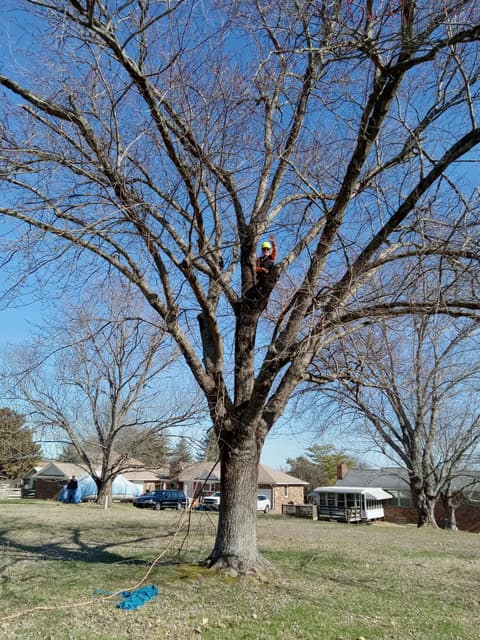
The arborist begins by reviewing the site layout, tree species, and any known issues. From there, each tree near high-risk areas is examined for failure indicators: dead wood and cracks, hollow trunks, root damage, lean or asymmetry, decay fungi, and insect infestations.
Risk is then rated according to the severity of potential consequences, the likelihood of failure, and the probability of impact. Findings go into a professional report that becomes part of your property’s maintenance record. Based on that report, arborists provide actionable next steps, ranging from monitoring and pruning to structural support or removal.
What to Look For in Tree Risk Assessment Services
Not all tree risk assessment services are created equal. Here is what to look for when comparing providers.
Start with credentials. Look for credentialed arborists who hold TRAQ (Tree Risk Assessment Qualification) certification, which sets the professional standard for structured risk evaluation.
Ask about reporting. A good arborist delivers clear written documentation covering findings, risk ratings, and recommendations, not just a verbal walkthrough or a basic checklist.
Consider the range of services offered. The best providers can carry work through from the assessment itself to maintenance pruning, cabling and bracing, or removal, so you are not coordinating multiple contractors.
Confirm insurance and compliance. Proper liability coverage and safety compliance credentials protect both your property and the service provider if something goes wrong on site.
When Should You Schedule a Tree Risk Assessment?
There’s no single schedule that fits every property, but key times include:
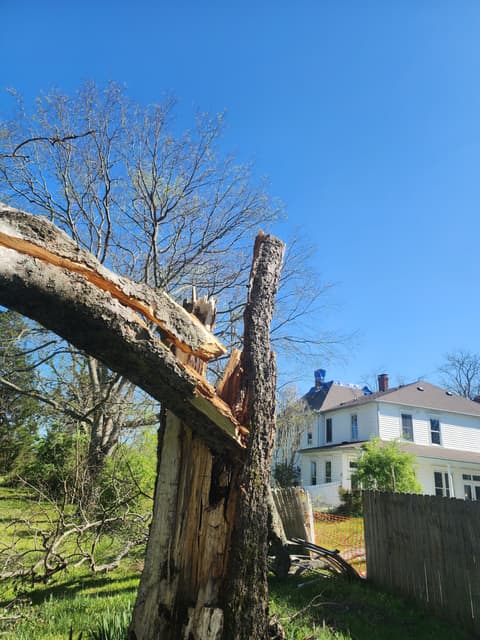
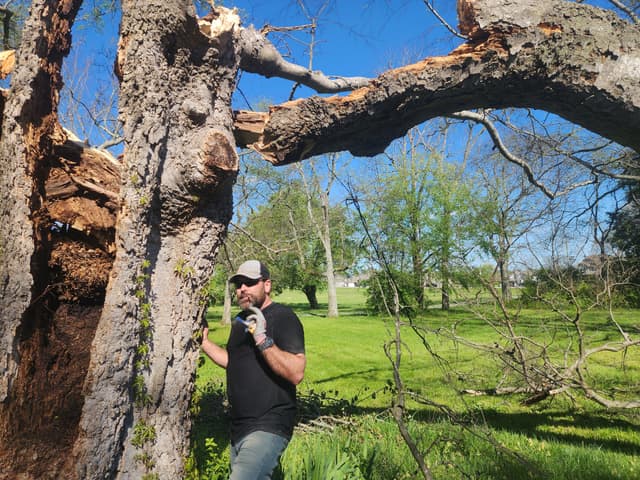
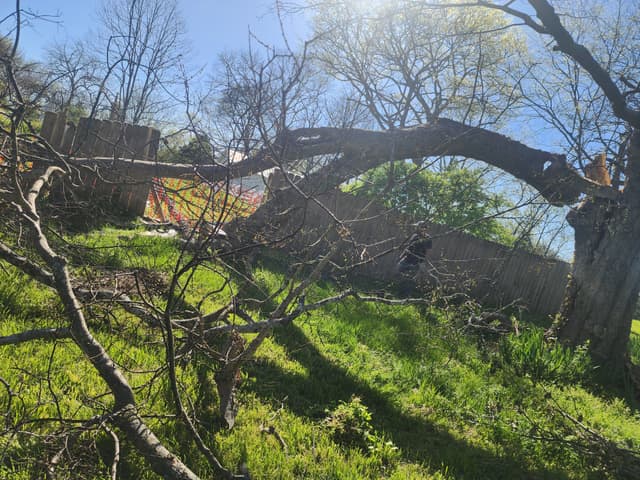
- After storms or high winds
- Before major property events or tenant move-ins
- If you notice signs of decline (leaning, fungus growth, branch dieback)
- Annually or biannually as part of a maintenance plan
Routine assessments help you catch issues before they escalate, and they make budgeting for tree care more predictable.
Tree Risk Assessments for Nashville Properties
For property managers in Nashville, Brentwood, Franklin, and the surrounding Middle Tennessee region, our professional arborists provide tree risk assessments with written reports tailored to your property’s specific needs. We serve commercial properties, HOAs, apartment complexes, office parks, and institutional campuses throughout the Nashville metro area.
Contact us to schedule your next assessment and protect your property, your people, and your peace of mind.