The Science Behind Spring Tree Treatment
Spring is one of the most important seasons for tree care. As temperatures rise and trees break dormancy, a series of biological processes create a narrow window for treatments that can dramatically improve long-term health.
Why Spring Timing Matters
Trees emerge from dormancy with a surge of stored energy. This energy drives new root growth, leaf development, and shoot elongation. Treatments applied during this active growth phase are more readily absorbed and more effective than the same treatments applied during summer stress or fall slowdown.
The key spring window runs roughly from bud break through full leaf out, typically four to six weeks depending on species and local conditions in Middle Tennessee.
Deep Root Fertilization in Spring
Deep root fertilization injects liquid nutrients directly into the root zone under pressure, bypassing compacted surface soil and reaching the feeder roots that actually absorb nutrients. Spring application aligns with peak root uptake activity.
A complete fertilization program addresses:
- Macronutrients: nitrogen for shoot growth, phosphorus for root development, potassium for stress tolerance
- Micronutrients: iron, manganese, and zinc, which are often deficient in Nashville’s alkaline soils
- Soil biology: mycorrhizal inoculants and biostimulants that improve nutrient cycling long-term
Preventive Pest and Disease Treatments
Many of the most damaging tree pests and diseases are most vulnerable at specific spring life stages. Emerald ash borer adults emerge as temperatures warm; scale insects are most susceptible to horticultural oil during the crawler stage in early spring; fungal diseases like anthracnose and apple scab depend on wet spring weather to spread.
An expert arborist can assess your trees and identify which preventive treatments are warranted based on species, history, and current pest pressure in your area.
Pruning Considerations in Spring
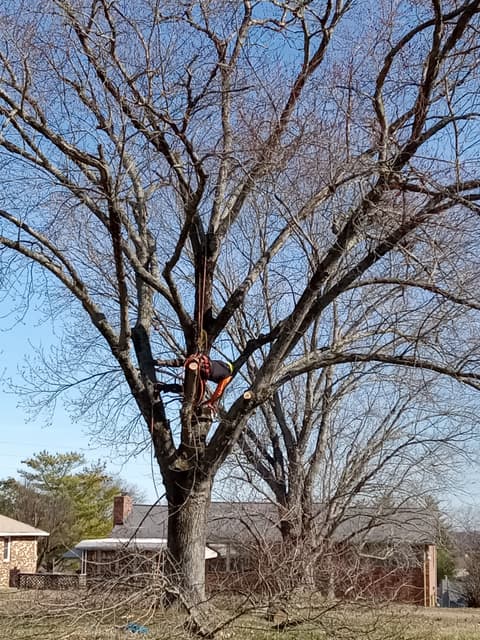
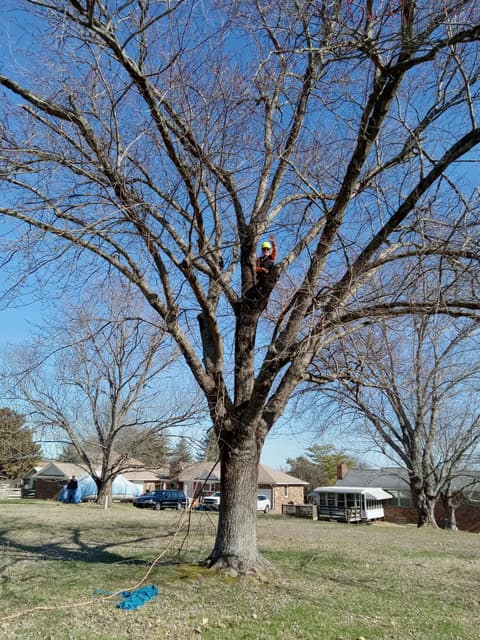
Most structural pruning is best done during dormancy, before spring growth begins. However, some species, including oaks, should not be pruned in spring in Tennessee due to oak wilt risk. Our arborists know which species require dormant season pruning and which can safely be pruned after leaf out.
Dead and hazardous branches can be removed at any time of year.
What to Expect From a Spring Care Visit
A comprehensive spring care visit from our expert arborists includes:
- Visual inspection of crown, trunk, and root zone for signs of winter damage, disease, or pest activity
- Soil testing if not done within the past two to three years
- Deep root fertilization with a customized nutrient blend
- Targeted pest or disease treatment if warranted
- Recommendations for pruning, cabling, or follow-up monitoring
Starting the season with professional care sets your trees up for a full year of healthy growth.