The Role of Tree Surveys in Planning, Risk Management, and Compliance
For property developers, municipal leaders, campus planners, and facilities professionals, trees represent far more than aesthetics. They’re critical assets, embedded in risk portfolios, development regulations, and long term land use strategies. Yet without accurate, actionable data, managing a tree population often becomes reactive and expensive.
This is where a professional tree survey proves essential. Whether you’re preparing a site for redevelopment, applying for a county grant, or simply trying to make sense of a fragmented landscape plan, a tree survey gives you the clarity to move forward with confidence.
What Is a Tree Survey?
A tree survey is a formal assessment and documentation of the trees on a property, conducted by credentialed arborists. These surveys are critical for property managers, municipal planners, developers, and institutions engaged in construction, redevelopment, or long term landscape management.
Unlike a general tree inspection, which may focus on individual trees or general maintenance needs, a tree survey is a comprehensive inventory and evaluation that supports regulatory compliance, planning decisions, and sustainability goals.
Tree surveys commonly include: species identification, size measurements (including diameter at breast height and full height), health and condition assessments, risk ratings, and detailed recommendations for preservation, treatment, or removal. This information helps determine the value and risks associated with each tree, guiding responsible landscape planning.
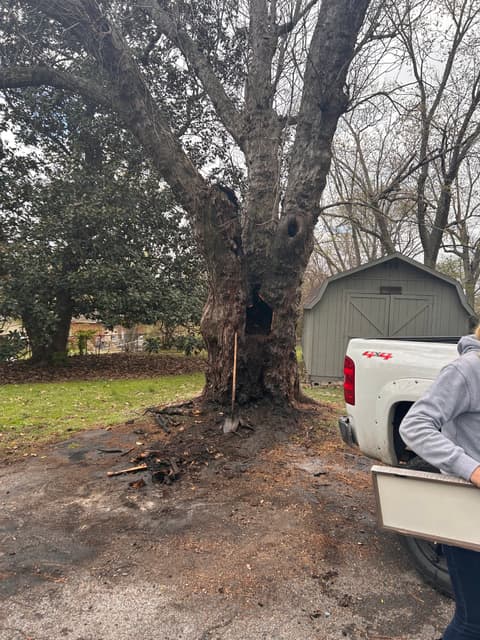
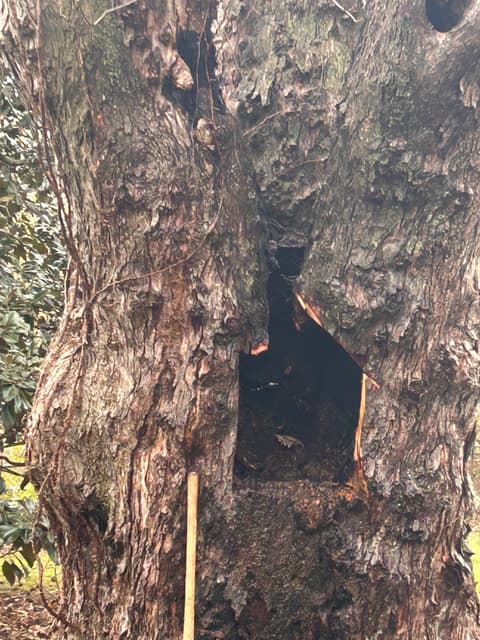
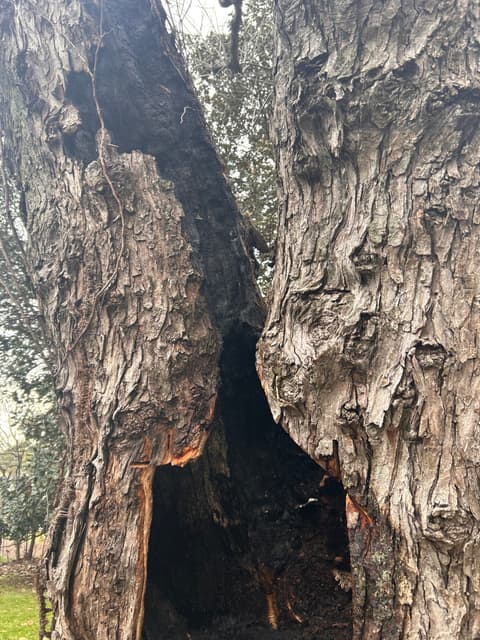
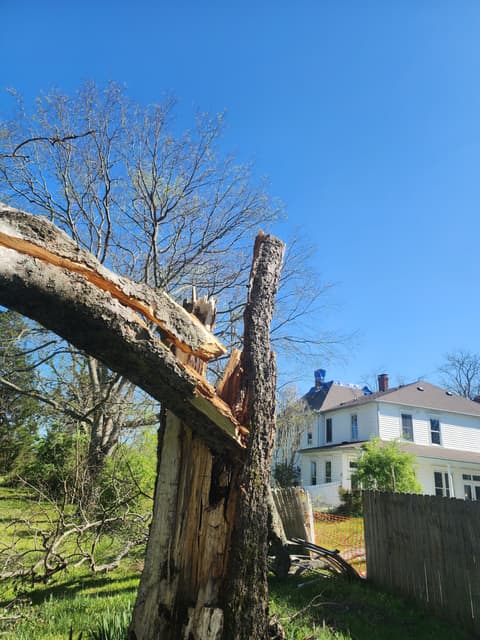
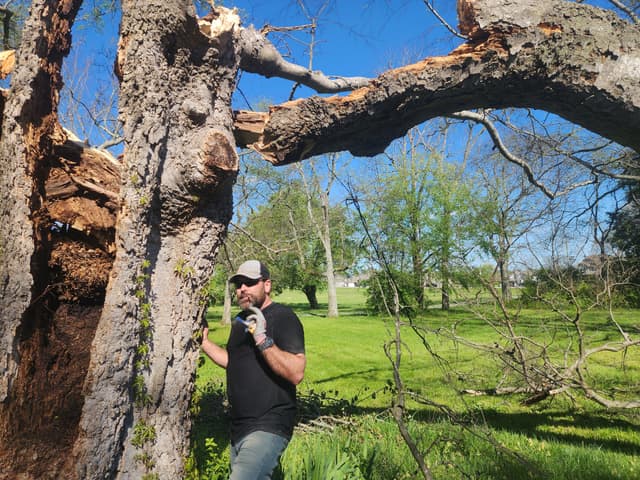
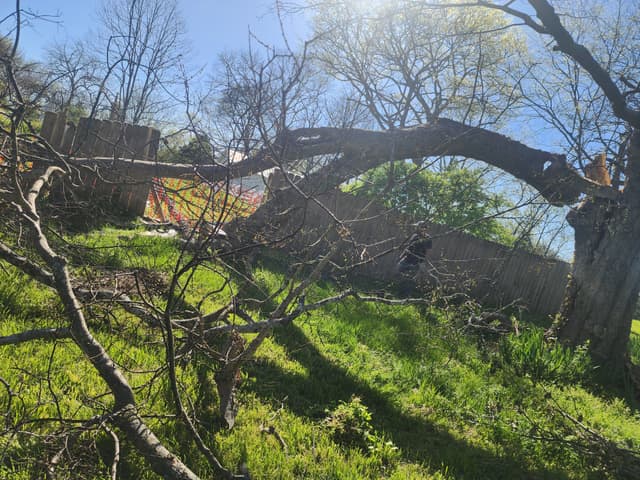
Tree surveys also identify trees that may present potential safety hazards, including assessments of leaning, root instability, fungal decay, or limb failure risk. In areas with strict tree protection ordinances, surveys play an essential role in complying with local regulations, helping to avoid costly delays, redesigns, or penalties.
When Is a Tree Survey Needed?
Before Property Development or Construction
Municipalities often require tree surveys as part of the permitting and planning process. Before breaking ground, developers must identify existing trees, determine which are protected, and develop plans for tree preservation or removal.
A professional arborist can integrate tree survey data into site plans, supporting decisions such as adjusting grading around critical root zones, relocating trees, or establishing preservation zones. Skipping a required tree survey can lead to project delays, rework, or fines. Some cities have robust tree ordinances, and violations can derail a project’s timeline.
For Tree Risk Assessments on Commercial or Institutional Properties
Tree surveys are essential tools for identifying hazards on active commercial, institutional, or public use properties. Damaged, diseased, or structurally compromised trees near buildings, parking lots, or pedestrian areas can pose serious safety concerns.
Risk assessment methodology uses the formula: Risk = Probability x Consequences. This allows clients to prioritize mitigation based on both the likelihood of tree failure and the potential damage it could cause.
Three levels of risk assessment are available:
- Level 1 is a limited visual assessment, typically done through quick surveys or drive-bys.
- Level 2 is a basic ground-based, 360-degree evaluation of tree structure and condition.
- Level 3 involves advanced diagnostic tools, resistance drilling, or aerial inspections.
As Part of a Long Term Landscape Management Plan
For many property owners and managers, tree surveys form the foundation of a long term landscape strategy. By capturing a comprehensive inventory of trees, clients can implement proactive care measures that extend the life of their tree canopy, inform maintenance scheduling and cost planning, and guide strategic investments.
What’s Included in a Professional Tree Survey?
Tree Inventory and Mapping
A detailed tree inventory records each tree’s species, size, health status, and location. That data can be plotted on GIS-based maps for straightforward integration into planning workflows.
Tree Risk Assessment and Hazard Mitigation
Our credentialed arborists follow ANSI A300 standards for tree risk assessment. Digital reports and geolocated photos make findings easy to review and act on. Recommendations might include disease treatment, pruning or structural support systems, and targeted removals for safety.
Tree Preservation Planning
Preserving trees during development requires careful planning and ongoing monitoring. A professional arborist can provide pre-construction assessments, custom Tree Protection Plans, site visits during construction to monitor compliance, and post-construction evaluations.
Tree Survey Services in Nashville
For property developers, institutions, and municipal clients in Nashville and Middle Tennessee, our professional arborists provide tree surveys with detailed documentation and actionable recommendations. Contact us to discuss your project and schedule a consultation.