Is My Tree Dead or Just Dormant? How to Tell & What to Do
Trees go through many natural cycles over the course of a year, from vibrant leaf growth to stark winter stillness. But if your tree isn’t showing signs of life when you expect it to, you might start wondering: Is it just dormant, or is it dead?
It’s not always easy to know the difference at first glance. However, understanding the signs of a dying tree versus natural dormancy can help you take the right next step, whether that’s routine care or professional tree service.
Why Do Trees Go Dormant?
Dormancy is a survival strategy that allows trees to conserve energy and protect themselves from harsh weather. This period usually begins in fall and extends through winter, especially in colder climates.
During dormancy:
- Trees slow their metabolic processes
- Leaf production halts or stops entirely
- Resources are focused on preserving the roots and trunk
Deciduous trees, like oaks and maples, lose their leaves completely, while evergreens retain foliage but still reduce growth and water uptake. Without obvious external signs of life, it’s easy to mistake a dormant tree for a dead tree, especially in the off-season.
Signs Your Tree Is Dormant, Not Dead
Understanding how to tell if a tree is dead or simply dormant often starts with a few simple visual and physical checks. Here’s what to look for.
The Scratch Test
One of the most common ways to check for life is the scratch test. Using your fingernail or a small knife, gently scratch away a tiny portion of bark on a small branch.
- Green tissue underneath indicates the tree is still alive.
- Brown, dry wood may signal a problem, but this test alone isn’t foolproof.
Trees sometimes appear dead in winter but leaf out once spring returns, so it’s always best to pair this test with other signs or wait for the growing season to be sure.
Bud Inspection
Even without leaves, dormant trees will often have buds present at the ends of their branches.
- Healthy buds are typically firm, rounded, and symmetrical.
- If buds are missing, shriveled, or dry, the tree may be under stress or in decline.
Bud development is one of the clearest ways to tell if your tree is gearing up to grow or showing signs of decline.
Branch Flexibility Test
Try bending a few smaller branches with your hands.
- Flexible branches that bend but don’t break are a good sign of life.
- Brittle branches that snap easily may indicate a dying or dead tree.
Be sure to test several areas. Even healthy trees can have a few dead twigs, especially after winter storms or pest damage.
Signs Your Tree Might Be Dead
If your tree is beyond dormancy and showing signs of decline, you’ll likely see one or more of the following symptoms.
Peeling or Cracked Bark
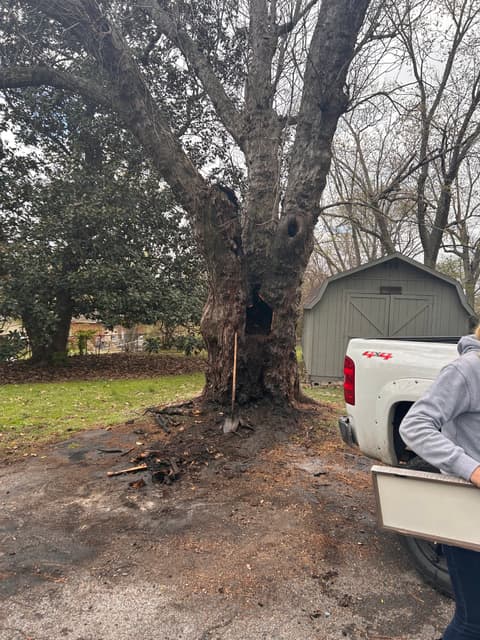
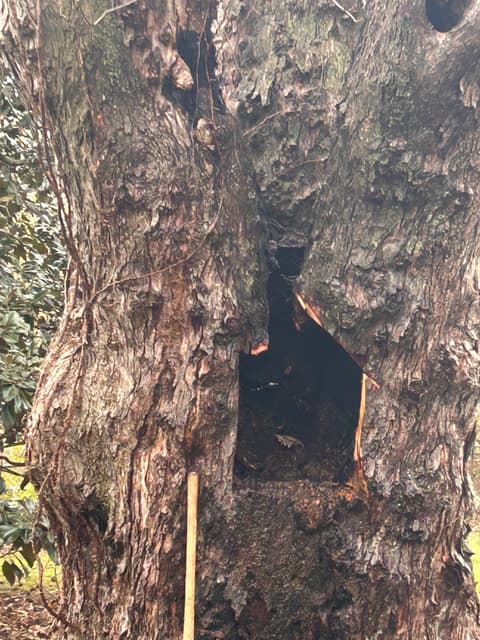
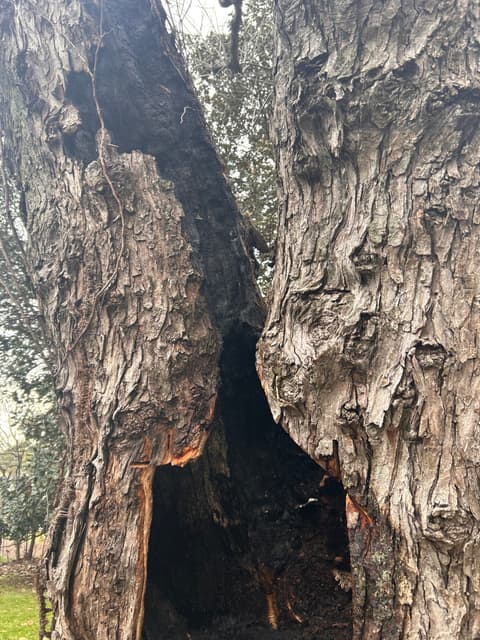
Significant bark loss can be a warning sign, especially bark coming off in large sheets, revealing dry or cracked wood beneath. This can be a symptom of environmental stress, rot, or internal decay.
No Leaf Growth in Spring
By late spring, most trees should begin showing new leaves or bud activity. If your tree is still bare when neighboring trees are in full leaf, it may no longer be living.
Keep in mind: some species, like certain oak varieties, are late bloomers. Compare your tree to others of the same kind in your area before drawing conclusions.
Fungus or Mushroom Growth on the Trunk
Tree fungus, especially mushrooms growing at the base of a tree, often indicates internal decay or root problems. These organisms thrive on dead or dying tissue.
If you spot large fungal colonies on your tree’s trunk or base, it’s time to schedule a consultation with an arborist.
Severe Leaning or Uprooting
If your tree is suddenly leaning, has exposed roots, or the ground around it is raised or cracked, these are serious hazard indicators. A dying tree may lose its structural integrity and should be inspected immediately for safety reasons.
What to Do If Your Tree Is Dormant
You’ve ruled out major red flags, but your tree still isn’t doing much. Here’s how to support it through dormancy and prepare it for the growing season.
Wait Until Spring for Confirmation
The most reliable way to determine dormancy is to wait and see. When temperatures warm in spring, trees will typically show signs of growing, from bud swell to new leaf growth.
Provide Proper Care
Dormant trees still need support to stay healthy:
- Deep root watering during dry winters can help prevent root dehydration.
- Add 2 to 4 inches of mulch to protect the roots and stabilize soil temperature.
- Schedule dormant pruning to remove dead or damaged branches.
Consider tree fertilization in early spring or fall to replenish depleted nutrients and prepare the tree for active growth.
What to Do If Your Tree Is Dead
Sometimes, even with the best care, a tree reaches the end of its life cycle. Here’s how to handle that situation responsibly.
Call an Arborist for a Professional Assessment
If you’re still unsure, the best option is to consult an expert arborist. Our team can confirm whether your tree is dormant, dying, or truly dead, determine potential underlying causes, and recommend recovery or tree disease treatment if applicable.
Safe Tree Removal Options
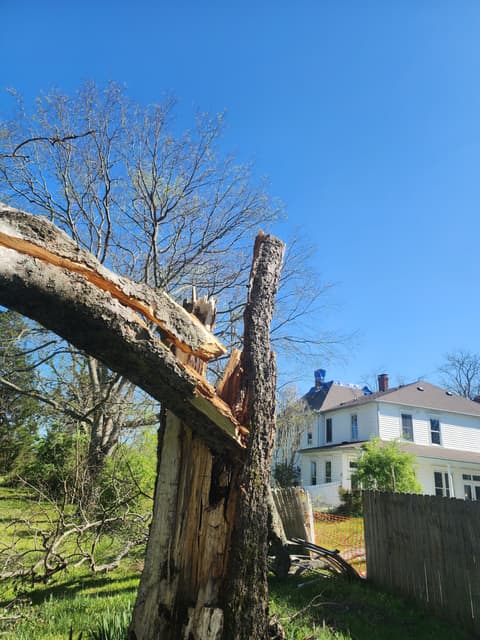
A dead tree poses significant hazards, including falling branches, tipping trunks, or collapsing entirely. For your safety and the health of surrounding trees, it may need to be removed promptly.
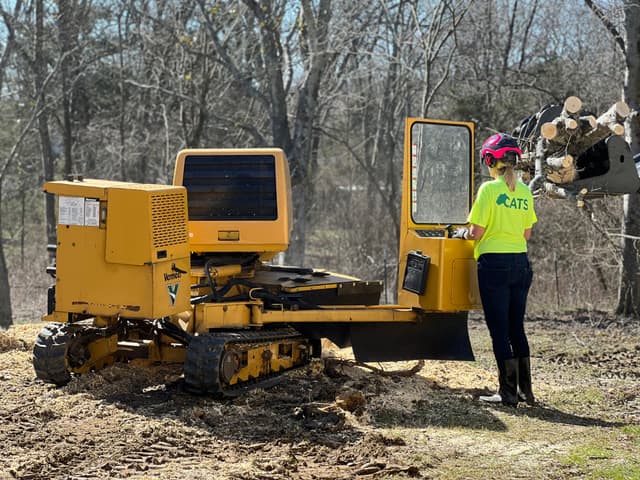
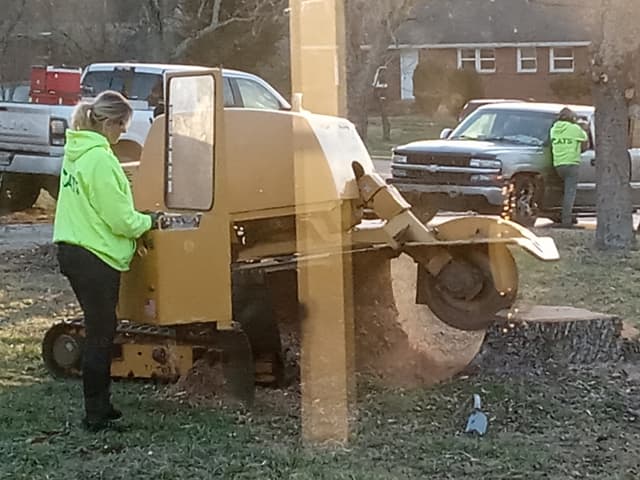
Professional tree removal services use industry best practices and equipment, handling everything from initial assessment to stump grinding, leaving your property clean and secure.
Final Thoughts: Tree Dormancy vs. Decline
Trees can appear dead when they’re simply waiting for the right moment to grow. On the other hand, some trees decline slowly and quietly, showing only subtle signs of distress before failing altogether.
If you’re unsure how to tell if a tree is dead, look for: lack of leaf or bud development, extensive bark loss or decay, weak and brittle branches, and signs of fungus, rot, or structural instability.
Knowing the difference helps you act with confidence, whether your goal is to save a struggling tree or protect your property from potential hazards.